Early Life and Education
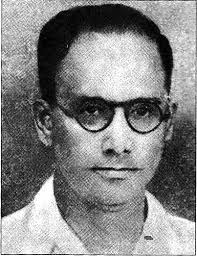
V. C. Vellingiri Gounder was born on 28 October 1880 in Vellakinar, near Coimbatore, in the then Madras Presidency. He was the son of V. K. Chinnappa Gounder and Parvathi Ammal.
He received his early education locally and later studied at Hindu College, Coimbatore. From an early age, he developed a keen interest in agriculture, social welfare, and public affairs. After the death of his father, he assumed responsibility for managing the family’s agricultural estates, gaining valuable experience in administration and leadership.
Education & Skills
V. C. Vellingiri Gounder was recognized for his practical knowledge and visionary leadership.
Key Skills:
- Expertise in modern agricultural practices.
- Strong leadership and administrative abilities.
- Effective public speaking and organizational skills.
- Knowledge of rural development and cooperative initiatives.
- Commitment to social reform and community welfare.
- Entrepreneurial skills demonstrated through industrial ventures.
He was among the early agriculturists in the Coimbatore region to introduce improved cultivation methods, mechanized farming techniques, and irrigation innovations.
Contribution to Tamil Literature
There is no evidence that V. C. Vellingiri Gounder directly contributed to Tamil literature as a poet or author. However, he indirectly supported the intellectual and cultural development of Tamil society through his involvement in educational and social institutions.
His contributions include:
- Supporting educational initiatives that promoted learning in Tamil Nadu.
- Encouraging social awareness through public engagement.
- Assisting organizations dedicated to community upliftment and education.
- Promoting values such as equality, discipline, and public service, which influenced social discourse.
Therefore, while his role in Tamil literature was indirect, his efforts contributed to the broader cultural progress of the region.
Role in India’s Freedom Movement
V. C. Vellingiri Gounder actively supported India’s freedom movement through nationalist activities and social reform campaigns.
He participated in the Swadeshi Movement, encouraging the use of indigenous products and self-reliance among Indians. He also joined the anti-liquor movement of 1922, which aligned with the Gandhian programme of social reform. He refused to permit toddy tapping in his coconut groves as part of his commitment to temperance.
Major Contributions:
- Participated in the Swadeshi Movement.
- Supported Gandhian campaigns promoting temperance.
- Advocated for social equality and the eradication of untouchability.
- Worked closely with nationalist leaders in the Madras Presidency.
- Used his public positions to advance the welfare of rural communities.
Although he was not imprisoned like some prominent freedom fighters, his efforts strengthened the nationalist movement in western Tamil Nadu.
Personal Life
V. C. Vellingiri Gounder married Nanjammal in 1898, and they had three children—two daughters and one son.
Apart from politics, he was an accomplished agriculturist and industrialist. In 1936, he established Gnanambika Mills, contributing to industrial growth and employment opportunities in the Coimbatore region. He also supported the activities of the Ramakrishna Mission, particularly its educational initiatives.
His commitment to public service extended to healthcare, agriculture, and local self-governance.
Death
V. C. Vellingiri Gounder passed away on 7 November 1948, shortly after India attained independence.
His death marked the end of a life devoted to agriculture, social reform, public administration, and national service. He continues to be remembered in the Coimbatore region for his significant contributions to society.
Conclusion
V. C. Vellingiri Gounder was a distinguished agriculturist, industrialist, politician, and social reformer whose life reflected a commitment to public welfare and national progress. Through his support for the Swadeshi Movement, advocacy of social reforms, and efforts to modernize agriculture, he played an important role in the development of Tamil Nadu during a crucial period in Indian history.
Though not primarily known as a literary figure, his dedication to education, rural advancement, and social equality left a lasting impact on society. Today, V. C. Vellingiri Gounder is remembered as a visionary leader whose service contributed to both regional development and India’s broader nationalist aspirations.
About the Author