

1. Introduction
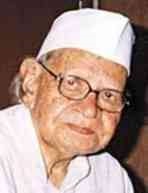
Vishnu Prabhakar (21 June 1912 – 11 April 2009) was a celebrated Indian writer who wrote extensively in Hindi. A prolific novelist, short story writer, playwright, and essayist, his works are deeply imbued with patriotism, social realism, nationalism, and a profound commitment to human upliftment and equality. Over a career spanning more than seven decades, he made monumental contributions to modern Hindi literature.
2. Quick facts
- Full Name: Vishnu Dayal (Pen name: Vishnu Prabhakar)
- Native Name: विष्णु प्रभाकर (Hindi)
- Date of birth: June 21, 1912
- Place Of birth: Miranpur, Muzaffarnagar district, United Provinces, British India (present-day Uttar Pradesh, India)
- Date of Death: April 11, 2009
- Nationality: Indian
- Occupation/ Profession: Novelist, Playwright, Short Story Writer, Essayist, Journalist
- Field of Achievement: Hindi Literature, Biographies, and Social Drama
- Years Active: 1931–2009
3. Award Information
- Award Name: Padma Bhushan / Sahitya Akademi Award / Mahapandit Rahul Sankrityayan Award
- Award Category: National Civilian Honour and Supreme Literary Recognitions
- Award Year: Soviet Land Nehru Award (1976), Sahitya Akademi Award (1993), Mahapandit Rahul Sankrityayan Award (1995), Padma Bhushan (2004)
- Presented By: Government of India / Sahitya Akademi
- Date of Ceremony: Conferred during respective national Republic Day and institutional investiture ceremonies.
- Citation/Official Reason: Recognized for his exceptional contributions to Hindi literature, path-breaking biographical writing, and lifetime devotion to cultural and social values.
- Previous Recipients (optional): Eminent Indian writers, thinkers, and literary historians.
- Next Recipients: Conferred among notable national civic and literary awardees.
4. Why they Receive the award?
Vishnu Prabhakar received India’s prestigious civilian and literary awards—including the Padma Bhushan and the Sahitya Akademi Award (for his novel Ardhanarishwar)—because of his profound thematic depth and stylistic mastery. His works fearlessly addressed complex social structures, gender equality, and historical truths, most notably exemplified by his monumental biographical masterpiece Aawara Masiha (The Wandering Messiah), a definitive biography of Sarat Chandra Chattopadhyay.
5. Early Life
Born in Miranpur, Uttar Pradesh, Prabhakar spent a large part of his formative years under the care of his maternal uncle. Growing up amidst the struggles and socio-political awakenings of pre-independence India, he developed a deep sensitivity toward the downtrodden, marginalized, and exploited sections of society, themes that would permanently anchor his creative output.
6. Education
- Early Education: Completed his primary schooling locally, where his name was registered as Vishnu Dayal.
- Self-Taught Literary Path: Due to family financial constraints, he pursued various jobs early in life while continuing his studies independently. He acquired high academic proficiency in Hindi literature, passing the Prabhakar examination (which subsequently became part of his pen name).
7. Carrier Journey
- Early Professional Steps: Worked in government service (including the-then Posts and Telegraphs department) in Hissar, Haryana, while actively participating in local theatre and literary groups.
- Literary Debut: Began his writing career with the publication of his short story “Diwali” in the Hindi literary magazine Hindi Milap in 1931. He wrote his first major play, Hatya Ke Baad, in 1939.
- Full-Time Writer: Eventually transitioned into full-time writing and journalism, producing an astonishing volume of novels, travelogues, children’s literature, essays, and plays.
8. Major Achievements
- Aawara Masiha (1974): Authored this legendary, meticulously researched biography of Bengali novelist Sarat Chandra Chattopadhyay, which took over 14 years of travel and writing to complete.
- Sahitya Akademi Award (1993): Received the national honor for his acclaimed philosophical-social novel Ardhanarishwar.
- Padma Bhushan (2004): Conferred India’s third-highest civilian honor by the Government of India.
- Authored over a hundred published works spanning diverse genres, shaping the syllabus of modern Hindi education across Indian universities.
9. Contribution to the nation
Prabhakar used literature as a potent instrument for social reform. His writings consistently championed secularism, women’s rights, anti-untouchability, and national integration. By translating literary perspectives across linguistic boundaries and documenting the lives of historical and cultural icons, he enriched India’s composite cultural heritage.
10. Other Awards and Honours
- Soviet Land Nehru Award (1976) – For Aawara Masiha
- Sahitya Akademi Award (1993)
- Mahapandit Rahul Sankrityayan Award (1995)
- Padma Bhushan (2004) – Government of India
- Sahitya Akademi Fellowship (2006) – The highest honor conferred by the Akademi.
11. Legacy and influence
Vishnu Prabhakar is remembered as a crusader of humanism in Hindi letters. He rejected dogmatism, choosing instead to portray human flaws and struggles with profound empathy. Following his passing on April 11, 2009, his family fulfilled his final wishes by donating his body to the All India Institute of Medical Sciences (AIIMS), New Delhi, embodying his lifelong philosophy of selfless service to humanity.
12. Interesting Facts
- Origin of the Name “Prabhakar”: Born Vishnu Dayal, an editor once asked him if he had passed any formal language examinations when he submitted stories under the name “Vishnu”. When Vishnu replied that he had passed the Prabhakar Hindi exam, the editor added it to his byline, creating the enduring pen name Vishnu Prabhakar.
- The 14-Year Labor of Love: His magnum opus biography Aawara Masiha required him to learn Bengali and travel extensively to every place Sarat Chandra Chattopadhyay had lived to gather authentic anecdotes.
- First from Haryana: He is widely recognized in literary histories as the first major writer based in Haryana to win the prestigious Sahitya Akademi Award.
13. Quotes
“Literature that does not awaken human consciousness, challenge injustice, and inspire love for fellow human beings loses its very reason to exist.” — Vishnu Prabhakar
14. Timeline
- 1912: Born on June 21 in Miranpur, Uttar Pradesh.
- 1931: Published his first short story, “Diwali”.
- 1951: Published his early milestone novel Dhalti Raat.
- 1974: Published his monumental biographical masterpiece Aawara Masiha.
- 1993: Conferred the Sahitya Akademi Award for Ardhanarishwar.
- 2004: Awarded the Padma Bhushan by the Government of India.
- 2006: Awarded the Sahitya Akademi Fellowship.
- 2009: Passed away on April 11 in New Delhi at the age of 96.
15. References
- Wikipedia: Vishnu Prabhakar Profile & Bibliography
- Hindi Samay: Vishnu Prabhakar Author Archives
- The Hindu: Renowned Hindi writer Vishnu Prabhakar passes away
16. Related Personalities
- Sarat Chandra Chattopadhyay (Legendary Bengali author and subject of Aawara Masiha)
- Rahul Sankrityayan (Polymath, writer, and traveler)
- Hazari Prasad Dwivedi (Eminent contemporary Hindi novelist and scholar)
17. Frequency Asked Questions (FAQ)
- Q: Who was Vishnu Prabhakar?
- A: He was a prominent Indian Hindi writer, novelist, and playwright known for his socially conscious literature.
- Q: What is his most famous work?
- A: His most celebrated works include the novel Ardhanarishwar and the biographical classic Aawara Masiha.
- Q: What major national honors did he receive?
- A: He received the Sahitya Akademi Award (1993), Sahitya Akademi Fellowship (2006), and the Padma Bhushan (2004).
About the Author




