Early Life and Education
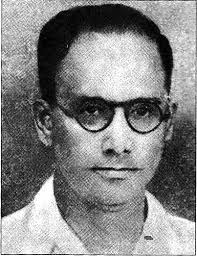
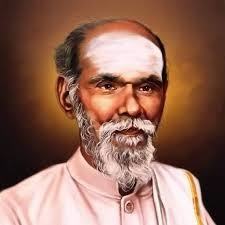
Arthanareesa Varma, also known as Rajarishi Arthanareesa Varma, was born on 27 July 1874 in Salem, then part of the Madras Presidency under British rule. He was the son of Sugavana Padayatchi and Lakshmi Ammal.
Details regarding his formal education are limited. However, he developed a profound interest in Tamil literature, journalism, and nationalist thought from an early age. His intellectual pursuits and patriotic spirit shaped his future role as a writer and freedom activist.
Education & Skills
Although comprehensive records of his academic qualifications are unavailable, Arthanareesa Varma possessed a wide range of skills that distinguished him as a public figure.
Key Skills:
- Expertise in Tamil poetry and creative writing.
- Strong journalistic and editorial abilities.
- Effective public speaking and communication skills.
- Deep understanding of social and political issues.
- Leadership in organizing and promoting nationalist ideas.
- Commitment to preserving and promoting Tamil cultural values.
These abilities enabled him to influence society through both literature and activism.
Contribution to Tamil Literature
Arthanareesa Varma made valuable contributions to Tamil literature through his writings, poetry, and journalistic efforts.
Literary Contributions:
- He was a poet and author whose works reflected themes of patriotism and social awareness.
- He edited and published several journals, including:
- Kshatriyan
- Kshathriya Sigamani
- Tamil Mannan
- Sri Vanni Vamsa Pirakasikai
- Vanniyakula Mitran
- Veera Bharathi
- He is particularly remembered for composing a verse elegy on the death of Subramania Bharati, making him one of the few poets to pay literary tribute to Bharati soon after his passing.
- Through his publications, he encouraged readers to embrace nationalism, social reform, and pride in Tamil heritage.
His literary activities strengthened the connection between Tamil culture and the broader struggle for independence.
Role in India’s Freedom Movement
Arthanareesa Varma played an important role in India’s freedom movement by using the power of the press and literature to awaken patriotic feelings among the people.
In 1911, he worked as the manager of the publishing house Swadesh Abimani, where he became deeply influenced by nationalist writings, especially those of Subramania Bharati. Later, in 1931, he founded and edited the journal Veera Bharathi, which disseminated information about the freedom struggle across India.
The British administration considered such publications a threat to colonial authority. As a result, Veera Bharathi was banned under restrictive press regulations introduced to suppress nationalist journalism.
Major Contributions to the Freedom Movement:
- Spread awareness about the Indian independence movement through journalism.
- Used poetry and literature to inspire patriotism.
- Supported nationalist leaders and freedom activists.
- Challenged colonial censorship through fearless publishing.
- Encouraged public participation in the struggle for self-rule.
His efforts demonstrate that the fight for independence was waged not only on the streets but also through the written word.
Personal Life
Arthanareesa Varma led a life devoted to literature, journalism, and public service. He earned titles such as “Kavichingam” (Lion among Poets) and “Rajarishi”, reflecting the respect he commanded among his contemporaries.
He maintained close associations with several freedom fighters and intellectuals of his time. His commitment to social advancement and community welfare remained central to his life’s work.
Death
Arthanareesa Varma passed away on 7 December 1964 in Thiruvannamalai.
Although he did not receive widespread national recognition during his lifetime, his contributions as a freedom fighter, poet, and journalist continue to be remembered by historians and admirers of Tamil heritage.
Conclusion
Arthanareesa Varma was a remarkable figure who combined literary excellence with patriotic commitment. Through his poems, journals, and unwavering support for India’s independence movement, he inspired people to resist colonial oppression and embrace national pride.
His contributions to Tamil literature, nationalist journalism, and the freedom struggle highlight the significant role that writers and intellectuals played in shaping India’s destiny. Today, Arthanareesa Varma is remembered as a poet-patriot whose words became instruments of social awakening and national liberation.
About the Author