

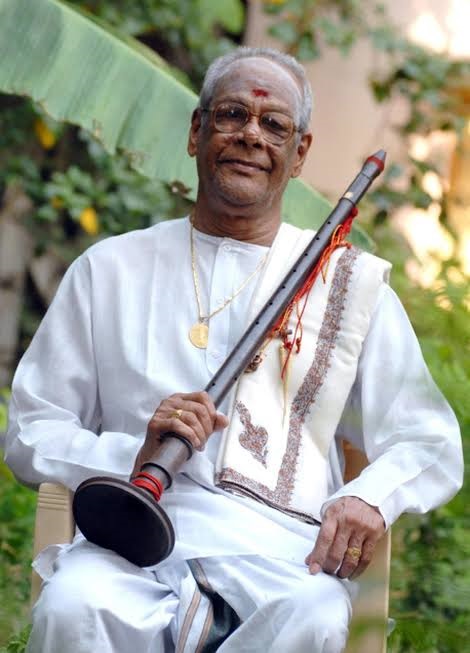
1. Introduction
Puliyur Subramaniam Narayanaswamy (P. S. Narayanaswamy) was a towering figure in South Indian Carnatic music. Revered as a premier vocalist and a “teacher par excellence,” he was a principal torchbearer of the rigorous Semmangudi bani (style). Spanning a stellar career of over seven decades, he combined deep adherence to classical grammar with profound aesthetic purity, leaving an enduring imprint as both a top-tier performing artist and an iconic mentor to generations of musical stars.
Wikipedia+ 2
2. Quick facts
- Full Name: Puliyur Subramaniam Narayanaswamy Wikipedia
- Native Name: புலியூர் சுப்பிரமணியம் நாராயணசுவாமி (Tamil)
- Date of birth: February 24, 1934 Wikipedia
- Place Of birth: Konerirajapuram, Thanjavur district, Madras Presidency, British India Wikipedia+ 1
- Nationality: Indian
- Occupation/ Profession: Carnatic Vocalist, Composer, and Music Educator Wikiwand
- Field of Achievement: Carnatic Classical Vocalism and Pedagogical Instruction Wikipedia
- Years Active: Late 1940s – 2020 Wikipedia
3. Award Information
- Award Name: Padma Bhushan Wikipedia
- Award Category: India’s Third-Highest Civilian Award Wikiwand
- Award Year: 2003 Wikiwand+ 1
- Presented By: Government of India (Conferred by President Dr. A.P.J. Abdul Kalam) Chicago Tyagaraja Utsavam+ 1
- Date of Ceremony: April 3, 2003 (Republic Day honors cycle) Chicago Tyagaraja Utsavam+ 1
- Citation/Official Reason: For distinguished service and exceptional contributions to the field of classical music and arts education.
- Previous Recipients (Examples): Eminent musicians, artists, and national public figures.
- Next Recipients: Conferred annually as part of national civilian honors.
4. Why they Receive the award?
P. S. Narayanaswamy was conferred the Padma Bhushan in recognition of his lifelong dedication to preserving and propagating the pristine core of Carnatic music. His unwavering commitment to traditional classicism, his years of service at All India Radio, and his unmatched role in producing a stellar galaxy of contemporary Carnatic performers earned him the nation’s highest artistic accolades.
Wikipedia+ 1
5. Early Life
Born in 1934 in Konerirajapuram (a historic cultural hub in Thanjavur district), Narayanaswamy grew up immersed in a vibrant atmosphere of classical tradition. Showing a prodigious ear for swaras and rhythm from early childhood, he received early public validation when he was awarded the title Bala Gana Kala Rathnam at the tender age of 12.
Wikiwand+ 1
6. Education
- Initial Training: Began his foundational lessons under stalwarts like Tiruppambaram Somasundaram Pillai and T. M. Thiagarajan. Wikipedia
- Advanced Gurukulavasam: Underwent intensive, rigorous advanced training under the legendary Padma Vibhushan Semmangudi Srinivasa Iyer, embracing the exacting standards of the premier Semmangudi bani. India’s Leading Magazine for Carnatic Music, Bharatanatyam …+ 1
- Musicology: Acquired a comprehensive understanding of rare kritis, laya structures, and structural song delivery directly through decades of close association with his masters.
7. Carrier Journey
- Early Concert Debut: Began giving public recitals and performing on All India Radio by the time he was 15 years old. India’s Leading Magazine for Carnatic Music, Bharatanatyam …
- All India Radio (AIR): Served key roles at All India Radio, Chennai, including conducting the Vadya Vrinda (orchestral ensemble), where he contributed to several landmark classical orchestral compositions and symphonies. Wikiwand+ 1
- Concert Circuit: Performed across major sabhas globally, sharing stages with legendary accompanists such as violin maestro Pappa Venkataramaiah and mridangam legend Palghat Mani Iyer. India’s Leading Magazine for Carnatic Music, Bharatanatyam …
- Dedicated Pedagogue: Transitioned dynamically into full-time teaching, transforming his residence into an open gurukula for aspiring artists.
8. Major Achievements
- Sangita Kala Acharya (1999): Conferred the prestigious title by The Music Academy, Chennai, honoring his monumental stature as a master teacher. Wikipedia+ 1
- Padma Bhushan (2003): Awarded India’s third-highest civilian honor by the President of India. Wikipedia
- Legendary Guru Tree: Mentored an extraordinary lineup of disciples who went on to dominate the contemporary Carnatic stage, including Abhishek Raghuram, Ranjani-Gayatri, Gayathri Venkataraghavan, Amritha Murali, Kunnakudi Balamuralikrishna, and the Akkarai Sisters. Bharatpedia
- Preserving Rare Repertory: Documented and passed down obscure compositions and complex neraval patterns that risked being lost to time.
9. Contribution to the nation
P. S. Narayanaswamy served as a vital bridge safeguarding the high traditions of 20th-century Carnatic music for future generations. Rather than chasing transient popular trends, he championed uncompromising pitch precision (sruti-shuddham), traditional text fidelity (sahitya bhava), and deep structural integrity. Through his students, his pedagogical philosophy continues to breathe life into concert platforms worldwide.
India’s Leading Magazine for Carnatic Music, Bharatanatyam …
10. Other Awards and Honours
- Bala Gana Kala Rathnam (1946) – Awarded at age 12 Wikipedia+ 1
- Sangita Kala Acharya (1999) – The Music Academy, Chennai Bharatpedia+ 1
- Padma Bhushan (2003) – Government of India Wikiwand+ 1
- TTK Award – The Music Academy Wikiwand
- Felicitation titles and lifetime achievement awards from prominent cultural sabhas across India.
11. Legacy and influence
Remembered universally as a guru par excellence, Narayanaswamy’s legacy lies in the unmatched quality of his disciples. He possessed the rare gift of tailoring his teaching methods to suit each student’s unique voice capability while instilling in them absolute reverence for classical grammar. His life remains an embodiment of quiet humility, dedication, and uncompromised artistic honesty.
Bharatpedia
12. Interesting Facts
- The Strict Purist: Despite his gentle and approachable demeanor offstage, he was an absolute perfectionist during music lessons, insisting that students master the exact emotional weight and lyrical cadence intended by the original composers.
- A Walking Archive: In his later years, young musicians and senior performers alike would frequently approach him to verify the authentic path (marga) of rare ragas or obscure compositions.
- Enduring Passion: He continued teaching students right up until his final years, demonstrating a lifelong, unbroken romance with classical sound.
13. Quotes
“Music is an ocean of discipline. A true artist does not master the art; the art humbles and molds the artist.”
(Reflecting on his guru Semmangudi): “The bani is not just a style of singing; it is a spiritual lineage of honesty to the composer’s intent.”
14. Timeline
- 1934: Born on February 24 in Konerirajapuram, Tamil Nadu. Wikiwand+ 1
- 1946: Receives the Bala Gana Kala Rathnam title at age 12. Wikipedia
- Early 1950s: Begins intensive gurukulavasam under Semmangudi Srinivasa Iyer. India’s Leading Magazine for Carnatic Music, Bharatanatyam …+ 1
- 1999: Conferred the Sangita Kala Acharya title by The Music Academy, Chennai. Wikiwand+ 1
- 2003: Honored with India’s third-highest civilian award, the Padma Bhushan. India’s Leading Magazine for Carnatic Music, Bharatanatyam …
- 2020: Passes away on October 16 at the age of 86, leaving behind an immortal lineage of musicians. Wikiwand+ 1
15. References
- Wikipedia – Biographical profile of P. S. Narayanaswamy. Wikipedia
- Sruti Magazine – Archives and artist profiles on Carnatic legends.
- The Music Academy, Chennai – Sangita Kala Acharya recipient registers. Wikipedia
- Special commemorative tributes and interviews in The Hindu and The New Indian Express. Wikipedia
16. Related Personalities
- Semmangudi Srinivasa Iyer (Legendary Carnatic titan and primary guru to P. S. Narayanaswamy) Wikipedia+ 1
- T. M. Thiagarajan (Eminent musician and early mentor) Wikipedia
- Abhishek Raghuram (Prominent leading Carnatic vocalist and disciple) Bharatpedia+ 1
- Ranjani and Gayatri (Acclaimed violinists and vocalists trained under his guidance) Bharatpedia+ 1
17. Frequently Asked Questions (FAQ)
Q1: What is P. S. Narayanaswamy most famous for?
A: P. S. Narayanaswamy is celebrated as a master Carnatic vocalist of the Semmangudi tradition and, most notably, as an extraordinary guru who mentored many of today’s leading classical musicians.
Wikiwand
Q2: What major civilian and institutional awards did he receive?
A: He received the Sangita Kala Acharya from The Music Academy in 1999 and the prestigious Padma Bhushan from the Government of India in 2003.
Wikipedia
Q3: Who were some of his prominent disciples?
A: His well-known students include Abhishek Raghuram, Ranjani-Gayatri, Gayathri Venkataraghavan, Amritha Murali, and the Akkarai Sisters.
Bharatpedia
About the Author




