

1. Introduction
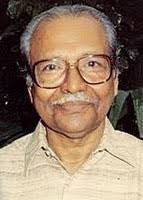
Dr. Karimpumannil Mathai George, widely recognized as Dr. K. M. George, was a towering pillar of Malayalam literature, an erudite scholar, and a visionary educator. As a pioneer of comparative Indian literature and a master administrator of massive literary projects, he bridged regional linguistic barriers, establishing Malayalam and broader Indian literatures firmly on the global academic map. His life’s work remains a cornerstone for scholars, researchers, and lovers of literature.
2. Quick Facts
- Full Name: Karimpumannil Mathai George
- Native Name: ഡോ. കെ. എം. ജോർജ്ജ്
- Date of Birth: April 20, 1914
- Place of Birth: Edayaranmula, Travancore (present-day Pathanamthitta district, Kerala), India
- Nationality: Indian
- Occupation / Profession: Writer, Literary Critic, Academic, Scholar, Editor
- Field of Achievement: Comparative Literature, Lexicography, and Malayalam Scholarship
- Years Active: 1930s – 2002
3. Award Information (Spotlight: Padma Bhushan)
- Award Name: Padma Bhushan
- Award Category: Literature and Education (Civilian Honour)
- Award Year: 2001
- Presented By: Government of India (President of India)
- Date of Ceremony: March 2001
- Citation / Official Reason: In recognition of his distinguished lifelong service to literature, education, and pioneering contributions to comparative Indian studies.
- Previous Recipients: Prominent national intellectuals and literary figures of preceding years.
- Next Recipients: Successive civilian honorees in subsequent years.
4. Why He Received the Award
Dr. K. M. George was honored with the Padma Bhushan—India’s third-highest civilian award—because of his monumental contribution to Indian literary scholarship. He transformed the approach to regional literature by looking at Indian texts through a unified, comparative framework. His leadership as the Chief Editor of the Malayalam Encyclopaedia (Sarvavignanakosham) and monumental works like Comparative Indian Literature permanently expanded the horizons of national cultural integration.
5. Early Life
Born into a devout and culturally rich Syrian Christian family on April 20, 1914, in Edayaranmula, Travancore, to Kurien Mathai and Mariamma, Dr. George grew up close to the cultural roots of rural Kerala. Surrounded by traditional learning environments, he exhibited an exceptional aptitude for languages, reading, and critical analysis from a very young age, which later steered him into a lifelong romance with letters, education, and linguistic evolution.
6. Education
- Schooling: Malakkara Primary School and Edayaranmula Marthoma School.
- Undergraduate Studies: Graduated with a degree in Mathematics from Union Christian College, Aluva, Kerala.
- Advanced Degrees: Earned his Master of Arts (M.A.) in Malayalam Literature from the University of Madras (1941) and later secured his doctorate (Ph.D.) in literary studies, laying down a formidable academic bedrock.
7. Career Journey
- Early Teaching: Began his career teaching at Madras Christian College (MCC).
- National and Regional Leadership: Served in various prestigious capacities, including regional secretary of the Sahitya Akademi and vice-president of the Kerala Sahitya Akademi.
- Lexicographical and Editorial Landmark: Spearheaded major national compilation projects, serving as the Chief Editor of the Malayalam Encyclopaedia (Sarvavignanakosham), earning him the title of the “father of the encyclopedia in Kerala”.
- Global Academic Exposure: Traveled extensively as a visiting professor and scholar, lecturing on Indian literature across universities in the Soviet Union, United States, and Europe.
8. Major Achievements
- Padma Bhushan (2001) & Padma Shri (1988): Conferred two of India’s most prestigious civilian honors.
- Ezhuthachan Puraskaram (1996): Awarded the highest literary prize bestowed by the Government of Kerala.
- Landmark Publications: Authored and edited seminal texts including A Survey of Malayalam Literature, Western Influence on Malayalam Language & Literature, and Comparative Indian Literature.
9. Contribution to the Nation
- National Integration through Literature: Promoted the idea that Indian literature is one though written in many languages, systematically compiling anthologies that allowed regional writers to read and understand each other.
- Institutional Builder: Helped build robust academic frameworks for language research, encyclopedic data collection, and translation studies across South India.
- Spiritual and Cultural Welfare: Actively contributed to community and church-backed educational initiatives, receiving honors such as the Sahitya Ratna Puraskaram from the Mar Thoma Church.
10. Other Awards and Honours
- Padma Bhushan (2001) & Padma Shri (1988) by the Government of India.
- Ezhuthachan Puraskaram (1996) by the Government of Kerala.
- Kerala Sahitya Akademi Fellowship (1989).
- Soviet Land Nehru Award (1987).
- Vallathol Award (1998) and Suranad Kunjan Pillai Award (1997).
11. Legacy and Influence
Dr. K. M. George is remembered as an intellectual giant who changed how South Indian and Indian literature are studied, categorized, and appreciated. His tireless drive to document history, translate classics, and build encyclopedias transformed unstructured knowledge into accessible academic treasure. To honor his legacy, the Government of Kerala established the Dr. K. M. George Study and Research Centre to facilitate advanced literary research.
12. Interesting Facts
- From Math to Literature: Though he initially graduated with a degree in Mathematics, his passion for words eventually pulled him completely into literature, proving that logical rigor can brilliantly complement creative analysis.
- Travel Writer: Beyond heavy academic texts, he wrote fascinating travelogues detailing his experiences in the United States and the Soviet Union (Soviet Naattil 3 Aazhcha, Americayil Poyakatha).
- Prolific Output: He authored over 50 books and edited more than 10 massive composite volumes spanning multiple languages and genres.
13. Quotes
“Literature is the spiritual mirror of a society; to understand a nation, one must listen to the collective voice of its writers across all languages.” – Dr. K. M. George
14. Timeline
- 1914: Born on April 20 in Edayaranmula, Travancore.
- 1941: Completes his M.A. in Malayalam Literature from the University of Madras.
- 1988: Conferred the Padma Shri by the Government of India.
- 1996: Awarded the prestigious Ezhuthachan Puraskaram.
- 2001: Honored with the Padma Bhushan by the Government of India.
- 2002: Passes away on November 19 in Thiruvananthapuram at the age of 88.
15. References
- Kerala Sahitya Akademi official biographical profiles and archives.
- Government of India Padma Awards registry (Ministry of Home Affairs).
- Published bibliographical collections (A Survey of Malayalam Literature, Comparative Indian Literature).
- Academic journals and historical records from South Indian universities.
16. Related Personalities
- Vallathol Narayana Menon: Iconic Malayalam poet and literary pioneer.
- Suranad Kunjan Pillai: Renowned lexicographer and contemporary scholar.
- Ulloor S. Parameswara Iyer: Legendary Malayalam poet and historian of literature.
17. Frequently Asked Questions (FAQ)
Q1: What is Dr. K. M. George best known for?
A: He is best known as an eminent Malayalam writer, literary critic, and pioneer of Comparative Indian Literature, as well as the Chief Editor of the Malayalam Encyclopaedia.
Q2: What is the highest literary award he received?
A: He received the Ezhuthachan Puraskaram in 1996, which is the highest literary honor given by the Government of Kerala.
Q3: Did he receive any national civilian honors?
A: Yes, he was awarded the Padma Shri in 1988 and the Padma Bhushan in 2001 by the Government of India.
About the Author




