

1. Introduction
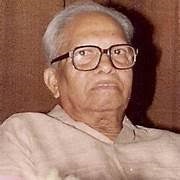
Dr. Boyi Bhimanna was a monumental figure in Telugu literature, a prolific writer, and a fierce crusader for social equality. Deeply influenced by the philosophies of Mahatma Gandhi and Dr. B. R. Ambedkar, his powerful poetry and prose mirrored the angst, resilience, and aspirations of society’s most marginalized groups. Spanning over seven decades of writing, his work bridged classical literary traditions with progressive social reform.
2. Quick Facts
- Full Name: Dr. Boyi Bhimanna
- Native Name: బోయి భీమన్న
- Date of Birth: September 19, 1911
- Place of Birth: Mamidikuduru, East Godavari District, Andhra Pradesh, India
- Nationality: Indian
- Occupation / Profession: Poet, Playwright, Writer, Journalist, Academic
- Field of Achievement: Telugu Literature, Social Justice, and Public Policy
- Years Active: 1930s – 2005
3. Award Information (Spotlight: Padma Bhushan)
- Award Name: Padma Bhushan
- Award Category: Literature and Education (Civilian Honour)
- Award Year: 2001
- Presented By: Government of India (President of India)
- Date of Ceremony: 2001
- Citation / Official Reason: In recognition of his exceptional, lifelong contribution to Indian literature, poetry, and his powerful articulation of human rights and social reform.
- Previous Recipients (Notable): Prominent literary figures and public intellectuals of preceding years.
- Next Recipients: Successive civilian honorees in subsequent years.
4. Why He Received the Award
Dr. Boyi Bhimanna was honored with the Padma Bhushan for his immense body of work that used the power of pen to champion human dignity. Through path-breaking literary creations like Gudiselu Kaalipothunnaayi (The Huts are Burning) and Paleru, he gave voice to the oppressed classes, awakened social consciousness, and enriched the landscape of modern Indian literature.
5. Early Life
Born into a poor Dalit family in Mamidikuduru (in the Konaseema region of Andhra Pradesh), Bhimanna experienced firsthand the harsh realities of caste discrimination and social inequality. Despite severe economic hardships, his sheer determination drove him to pursue education. He actively participated in India’s freedom struggle, including the Quit India Movement, blending his nationalist zeal with a lifelong mission to dismantle social hierarchies.
6. Education
- Schooling & Early Studies: Overcame regional and financial barriers to complete his foundational education.
- Higher Education: Acquired advanced academic grounding, shaping a deep intellectual framework that combined classical Indian texts, philosophy, and modern socio-political movements.
7. Career Journey
- Journalism and Writing: Worked in various capacities as a journalist, writer, and editor, using print media to advocate for labor rights and anti-caste reforms.
- Administrative and Public Roles: Served as the Director of the Andhra Pradesh State Translation Division and was a member of the Senate of Andhra University.
- Legislative Contribution: Nominated as a Member of the Andhra Pradesh Legislative Council (MLC) from 1978 to 1984, where he actively voiced public and cultural policies.
8. Major Achievements
- Sahitya Akademi Award (1975): Won the prestigious Central Sahitya Akademi Award for his epoch-making poetry collection Gudiselu Kaalipothunnaayi.
- Prolific Author: Authored over 70 books spanning poetry, plays, essays, and philosophy in both Telugu and English (such as his well-received English poetry collection, The Seventh Season).
- Social Impact of Paleru: His play Paleru (The Farm Labourer) famously inspired numerous backward-caste and Dalit parents to send their children to school instead of locking them into generational bonded labor.
9. Contribution to the Nation
- Social Emancipation: Used literature as an instrument for social engineering, fighting against untouchability and class oppression.
- Cultural Integration: Fostered a synthesis of Gandhian humanism and Ambedkarite-rationalist ideology, guiding generations of writers and social workers toward a more egalitarian society.
10. Other Awards and Honours
- Padma Shri (1973): Conferred India’s fourth-highest civilian award.
- Padma Bhushan (2001): Conferred India’s third-highest civilian award.
- Kala Prapoorna: Honorary Doctorate awarded by Andhra University (1971).
- NTR Life Time Achievement Award (2004).
- Lok Nayak Foundation Award (2005).
11. Legacy and Influence
Dr. Boyi Bhimanna is remembered as a Mahakavi (Great Poet) whose writings transformed the cultural ethos of Andhra Pradesh and India. His poetry did not merely decorate language; it questioned oppressive systems, gave courage to the weak, and challenged the status quo. His residence and legacy remain a pilgrimage point for literary critics and social activists alike.
12. Interesting Facts
- Dual-Language Mastery: While primarily celebrated for his immense contribution to Telugu literature, he also wrote profound English poetry, bridging regional and international literary audiences.
- Autobiographical Reflection: His autobiography, Paleru nunchi Padmasri Varaku (From Farm Labourer to Padma Shri), stands as an inspiring testament to his extraordinary journey out of extreme poverty.
- Literary Monikers: He was affectionately bestowed titles like Navayuga Kavi Sarvabhouma and Mahakavi by various literary bodies in recognition of his towering poetic output.
13. Quotes
“When huts are on fire, the palace cannot escape the heat.” – Dr. Boyi Bhimanna (from Gudiselu Kaalipothunnaayi)
14. Timeline
- 1911: Born on September 19 in Mamidikuduru, Andhra Pradesh.
- 1940s–50s: Emerges as a prominent voice in progressive Telugu literature and participates in freedom movements.
- 1973: Awarded the Padma Shri by the Government of India.
- 1975: Receives the Sahitya Akademi Award for Gudiselu Kaalipothunnaayi.
- 1978–1984: Serves as a Member of the Andhra Pradesh Legislative Council.
- 2001: Conferred the Padma Bhushan by the Government of India.
- 2005: Passes away on December 16 in Hyderabad at the age of 94.
15. References
- Official Government of India Padma Awards records.
- Central Sahitya Akademi award registries.
- Biographical publications and archives from the Boyi Bhimanna literary trust.
- Leading Telugu literary journals and historical documentations.
16. Related Personalities
- Dr. B. R. Ambedkar: Core ideological guide for his social philosophy.
- Mahatma Gandhi: Foundational influence on his principles of truth and social harmony.
- Gurram Jashuva: Iconic contemporary Telugu poet who similarly fought caste bias through poetry.
17. Frequently Asked Questions (FAQ)
Q1: What is Dr. Boyi Bhimanna best known for?
A: He is best known as a pioneering Telugu poet, social reformer, and the author of the critically acclaimed work Gudiselu Kaalipothunnaayi (The Huts are Burning).
Q2: Which major literary award did he win?
A: He won the Sahitya Akademi Award in 1975 for his poetry volume Gudiselu Kaalipothunnaayi.
Q3: What are his highest civilian honors from the Government of India?
A: He was awarded the Padma Shri in 1973 and the Padma Bhushan in 2001.
About the Author




