

1. Introduction
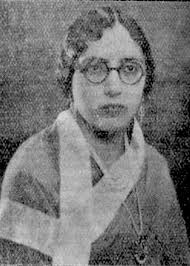
Begum Qudsia Aizaz Rasul (1909–2001) was a trailblazing Indian freedom fighter, politician, and social reformer who holds the historic distinction of being the only Muslim woman member of the Constituent Assembly of India, which drafted the Indian Constitution. Defying rigid patriarchal traditions and the strict purdah system from her royal upbringing, she stepped out into public life, rejected separate religious electorates, championed progressive land reforms, and helped lay the constitutional framework for a secular, democratic India.
2. Quick Facts
- Full Name: Qudsia Begum (Post-marriage: Begum Aizaz Rasul)
- Date of Birth: April 2, 1909
- Place of Birth: Lahore, Punjab, British India (now Pakistan)
- Nationality: Indian
- Occupation / Profession: Politician, Parliamentarian, Social Reformer, and Sports Administrator
- Field of Achievement: Constitutional Law, Women’s Rights, Social Welfare, and Minorities Representation
- Years Active: 1930s–2001
3. Award Information (Focus: Padma Bhushan)
- Award Name: Padma Bhushan
- Award Category: Civil Honours (Third Highest Civilian Award in India)
- Award Year: 2000
- Presented By: The President of India (at Rashtrapati Bhavan, New Delhi)
- Citation / Official Reason: Conferred in recognition of her lifelong, distinguished contributions to social work, public administration, and national integration.
- Previous Recipients: Eminent national leaders, social reformers, artists, and scholars.
- Next Recipients: Succeeding batches of national laureates in subsequent years.
4. Why They Received the Award
Begum Aizaz Rasul was honored with the Padma Bhushan for her decades of tireless public service. From breaking political glass ceilings in pre-independence legislative bodies to helping craft the foundational articles of the Indian Constitution, her career embodied unyielding courage and secular nationalism. She actively helped build consensus among minority communities during tense partition-era deliberations, advocating for a unified, democratic republic rather than sectarian divides.
5. Early Life
Born as Qudsia Begum in April 1909, she belonged to a distinguished aristocratic family—her father, Sir Zulfiqar Ali Khan, belonged to the ruling family of the Malerkotla princely state, and her mother was the daughter of the Nawab of Loharu. Despite growing up in a conservative environment, her father encouraged her modern education at home. In 1929, she married Nawab Aizaz Rasul, the large landowner (taluqdar) of Sandila in Hardoi, Uttar Pradesh. Supported fully by her husband, she chose to shed the purdah system and actively engage with public affairs and national politics.
6. Education
- Early Private Tutoring: Received extensive private education at home, mastering English, Urdu, history, and religious texts.
- Social and Political Grooming: Acquired profound administrative and political insights early in life by accompanying her father to high-level political meetings and legislative sessions.
7. Career Journey
- Entry into Electoral Politics (1937): Joined the Muslim League alongside her husband following the Government of India Act of 1935. She successfully contested and won a seat in the United Provinces (U.P.) Legislative Assembly from a non-reserved general constituency—a remarkable feat for a woman at the time.
- Legislative Leadership: Served as the Deputy President of the U.P. Legislative Council (1937–1940) and later as the Leader of the Opposition in the council (1950–1952).
- Constituent Assembly Member (1946–1950): Elected to the Constituent Assembly, representing the United Provinces, where she served on the Minority Rights Sub-Committee.
- Post-Independence Parliamentarian: Joined the Indian National Congress after the dissolution of the Muslim League in India. She served as a member of the Rajya Sabha (1952–1954) and later as a member of the U.P. Legislative Assembly (1969–1989), holding office as the Minister for Social Welfare and Minorities (1969–1971).
8. Major Achievements
- A Voice Against Separate Electorates: Played an instrumental role in convincing minority leadership to voluntarily surrender the demand for separate religious electorates, calling it “a self-destructive weapon which separates the minorities from the majority for all time”.
- Abolition of Feudalism: Despite her own landed feudal background (taluqdari), she courageously supported and worked toward the abolition of the Zamindari system for the greater economic equity of rural citizens.
- Sports Pioneer: Served for two decades as the President of the Indian Women’s Hockey Federation and later headed the Asian Women’s Hockey Federation, immensely popularizing sports among young Indian women.
9. Contribution to the Nation
Begum Aizaz Rasul helped anchor secularism and women’s representation during the most fragile foundational years of the Indian republic. By participating actively in debates regarding property rights, minority protections, and national language policies, she ensured that the rights of women and minorities were strongly defended from within the highest halls of power.
10. Other Awards and Honours
- Padma Bhushan (2000): Conferred by the Government of India for her exceptional record in social service.
- Sports Leadership Honors: Felicitated nationally and internationally for her pioneering management of women’s sports organizations.
11. Legacy and Influence
Begum Aizaz Rasul stands as an immortal symbol of female empowerment, secular courage, and political grace. Her journey from the aristocratic confines of purdah to signing the Constitution of India continues to inspire generations of women entering public service, law, and politics. Her memoir, From Purdah to Parliament, remains a classic text documenting the transition of India’s political landscape through a woman’s eyes.
12. Interesting Facts
- The Cricket Match: Displaying her diverse sporting interests, she once famously donned men’s cricket whites to bat in a 1952 goodwill exhibition match between the President’s XI and the Prime Minister’s XI.
- The Sole Voice: Out of nearly 300 members in the Constituent Assembly, she was the solitary Muslim woman present to help write the laws of independent India.
13. Quotes
“Separate electorates are a self-destructive weapon which separates the minorities from the majority for all time. Minorities must look to the majority for trust and cooperation, not division.” — Begum Aizaz Rasul
14. Timeline
- 1909: Born on April 2 in Lahore, British India.
- 1929: Married Nawab Aizaz Rasul and moved to Sandila, Uttar Pradesh.
- 1937: Elected to the United Provinces Legislative Assembly.
- 1946: Elected to the Constituent Assembly of India.
- 1950: Joined the Indian National Congress following the dissolution of the Muslim League in India.
- 1952–1954: Served as a Member of Parliament in the Rajya Sabha.
- 1969–1971: Served as Minister for Social Welfare and Minorities in Uttar Pradesh.
- 2000: Awarded the Padma Bhushan by the President of India.
- 2001: Passed away on August 1 at the age of 92.
15. References
- Wikipedia contributors. “Begum Aizaz Rasul.” Wikipedia, The Free Encyclopedia.
- Constitution of India Official Portal. “The Constitution Framers: Begum Aizaz Rasul.”
- Begum Aizaz Rasul. From Purdah to Parliament: A Muslim Woman in Indian Politics.
- Sansad TV Special Documentary. “Makers of Indian Constitution: Begum Aizaz Rasul.”
16. Related Personalities
- Dr. B.R. Ambedkar (Chairman of the Drafting Committee of the Constituent Assembly)
- Jawaharlal Nehru (First Prime Minister of India and guiding force of the republic)
- Sarojini Naidu (Feminist icon, freedom fighter, and fellow Constituent Assembly leader)
17. Frequently Asked Questions (FAQ)
- Q: Why is Begum Aizaz Rasul historically significant?A: She was the only Muslim woman member of the Constituent Assembly that drafted the Constitution of India.
- Q: What was her stance on separate electorates?A: She strongly opposed separate electorates based on religion, arguing that they would permanently divide minorities from the majority.
- Q: When did she receive the Padma Bhushan?A: She was awarded the Padma Bhushan in the year 2000 for her extensive contribution to social work.
About the Author




