

1. Introduction
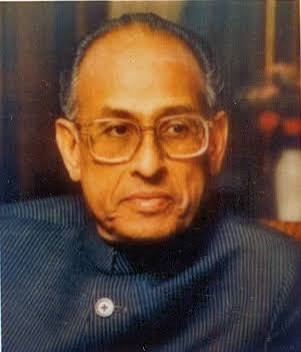
Dr. Laxmi Mall Singhvi (12 November 1931 – 6 October 2007) was a monumental figure in modern Indian jurisprudence, diplomacy, literature, and public life. An eminent jurist, senior advocate of the Supreme Court of India, diplomat, author, and parliamentarian, Dr. Singhvi left an indelible mark on Indian democratic institutions. Best known as the intellectual architect behind the conceptualization of the Lokayukta (ombudsman) in India and the champion of the global Indian Diaspora movement, his lifelong dedication to constitutionalism, human rights, and linguistic enrichment positioned him as one of independent India’s most respected intellectuals.
2. Quick Facts
- Full Name: Dr. Laxmi Mall Singhvi (often cited as L.M. Singhvi)
- Native Name: लक्ष्मीमल सिंघवी
- Date of Birth: 12 November 1931
- Place of Birth: Jodhpur, Rajasthan, British India
- Nationality: Indian
- Occupation / Profession: Jurist, Senior Advocate, Diplomat, Author, Politician
- Field of Achievement: Constitutional Law, Diplomacy, Human Rights, Literature
- Years Active: 1950s–2007
3. Award Information (Padma Bhushan)
- Award Name: Padma Bhushan
- Award Category: Public Affairs / Law (Third-highest civilian award in India)
- Award Year: 1998
- Presented By: The President of India
- Date of Ceremony: March/April 1998 (Rashtrapati Bhavan, New Delhi)
- Citation / Official Reason: In recognition of his distinguished services of a high order to the nation in the fields of public affairs, jurisprudence, international diplomacy, and literature.
- Previous Recipients (Contextual): Celebrated jurists, national diplomats, and statesmen.
- Next Recipients: Succeeding national luminaries in public affairs and law.
4. Why He Received the Award
Dr. Singhvi received the Padma Bhushan for his extraordinary contributions to public life and legal jurisprudence in India. He was instrumental in shaping administrative law reform, formulating the concept of the Lokpal and Lokayukta to combat corruption, and serving with immense distinction as India’s High Commissioner to the United Kingdom (1991–1997). Furthermore, his pioneering work heading the High-Level Committee on the Indian Diaspora transformed how India engaged with its global diaspora communities.
5. Early Life
Born into a prominent family in Jodhpur, Rajasthan, on November 12, 1931, Dr. Singhvi grew up during a time of intense national awakening. Imbued with a deep respect for traditional values coupled with modern democratic ideals, he displayed exceptional academic brilliance from an early age, setting the stage for a lifetime of intellectual leadership across legal, literary, and political domains.
6. Education
- Undergraduate & Legal Studies: Earned his Master of Arts (M.A.) and Bachelor of Laws (LL.B.) degrees from the University of Rajasthan and the University of Allahabad.
- Master of Laws (LL.M.): Completed his postgraduate legal studies at Harvard Law School, USA.
- Doctoral Studies: Earned his Doctorate in Philosophy (Ph.D.) in Constitutional Law from Cornell Law School, USA, establishing a deeply rigorous foundation in comparative constitutionalism.
7. Career Journey
- Legal Practice: Began practicing law, eventually becoming a Senior Advocate at the Supreme Court of India and serving as the Advocate General of Rajasthan.
- Parliamentary Tenure: Elected as an independent Member of Parliament (Lok Sabha) from Jodhpur in 1962, where he played a crucial role in parliamentary debates and legislative drafting.
- Diplomatic Service: Served as India’s High Commissioner to the United Kingdom from 1991 to 1997, greatly strengthening bilateral cultural and economic ties.
- Constitutional & Institutional Leadership: Chaired numerous key commissions, including the High-Level Committee on the Indian Diaspora and the committee that drafted the concept notes for the Lokpal/Lokayukta framework.
8. Major Achievements
- Architect of the Lokayukta Concept: Formulated the theoretical and structural blueprint for citizen grievance redressal and anti-corruption ombudsman bodies (Lokpal and Lokayukta) in India.
- Father of the Diaspora Engagement Policy: Chaired the historic High-Level Committee whose landmark report in 2002 led to the creation of the Pravasi Bharatiya Divas and the introduction of the Overseas Citizenship of India (OCI) scheme.
- Literary Contributions: Prolific author of numerous books in English, Hindi, and Rajasthani, focusing on law, democracy, human rights, and poetry.
9. Contribution to the Nation
Dr. Singhvi’s contributions directly strengthened the structural pillars of Indian democracy. By advocating for institutional transparency, institutionalizing the ombudsman concept, and reconnecting India with millions of people of Indian origin worldwide, he enhanced both domestic governance and India’s global soft power. His lifelong defense of civil liberties and judicial independence provided a steady moral compass during crucial chapters of independent India’s history.
10. Other Awards and Honours
- Padma Bhushan (1998): Conferred by the Government of India.
- Sahitya Akademi Translation Prize: Honored for his literary translations and cultural essays.
- Honorary Doctorates: Conferred by several renowned universities in India and abroad in recognition of his legal scholarship.
- Global Legal Awards: Received numerous international citations for his contributions to Commonwealth legal cooperation and human rights.
11. Legacy and Influence
Dr. L.M. Singhvi is remembered as an intellectual giant who seamlessly bridged the worlds of law, literature, and diplomacy. His scholarly writings on the Indian Constitution remain standard references for law students and practitioners. Through organizations like the Authors Guild of India and various commonwealth legal associations, he nurtured a culture of free speech, high literary standards, and robust constitutional democracy.
12. Interesting Facts
- A True Polyglot: He was equally at home writing constitutional treatises in English, composing classical verse in Hindi, or preserving folk literature in his native Rajasthani.
- The Singhvi Family Legacy: His legal and public service tradition is proudly carried forward by his son, Dr. Abhishek Manu Singhvi, who is a prominent jurist, senior advocate, and parliamentarian.
- A Global Cultural Ambassador: During his tenure in London, he transformed India House into a vibrant hub for writers, artists, and scholars from across the Commonwealth.
13. Quotes
“The Constitution of India is not merely a legal document; it is a vehicle of a nation’s social revolution and a sacred covenant of human dignity.” — Dr. Laxmi Mall Singhvi
14. Timeline
- 1931: Born on November 12 in Jodhpur, Rajasthan
- 1950s–1960s: Completed higher education at Harvard and Cornell; began legal practice and elected to Lok Sabha in 1962
- 1991–1997: Served as India’s High Commissioner to the United Kingdom
- 1998: Conferred the Padma Bhushan by the President of India
- 2002: Submitted the landmark report of the High-Level Committee on the Indian Diaspora
- 2007: Passed away on October 6 in New Delhi at the age of 75
15. References
- Wikipedia contributors. Laxmi Mall Singhvi. Wikipedia, The Free Encyclopedia.
- Supreme Court of India Archives. Tributes to Dr. L.M. Singhvi.
- Ministry of External Affairs, Government of India. Report of the High-Level Committee on the Indian Diaspora.
- The Hindu. Obituary: A versatile genius – Dr. L.M. Singhvi (1931–2007).
16. Related Personalities
- Dr. Abhishek Manu Singhvi: Renowned jurist, senior advocate, and son who carries forward his legal and public service legacy.
- Pandit Jawaharlal Nehru: First Prime Minister of India, with whom Dr. Singhvi interacted closely during his early parliamentary years.
17. Frequently Asked Questions (FAQ)
- Q: Who was Dr. Laxmi Mall Singhvi?A: Dr. L.M. Singhvi was a legendary Indian jurist, diplomat, author, and parliamentarian who served as India’s High Commissioner to the UK and shaped Indian administrative law.
- Q: What is Dr. Singhvi’s major contribution to Indian governance?A: He is widely credited with conceptualizing the Lokayukta (ombudsman) framework in India and spearheading the policy framework for the Indian Diaspora (leading to OCI and Pravasi Bharatiya Divas).
- Q: What major civilian award did he receive?A: He was awarded the Padma Bhushan in 1998 by the Government of India.
About the Author




