

1. Introduction
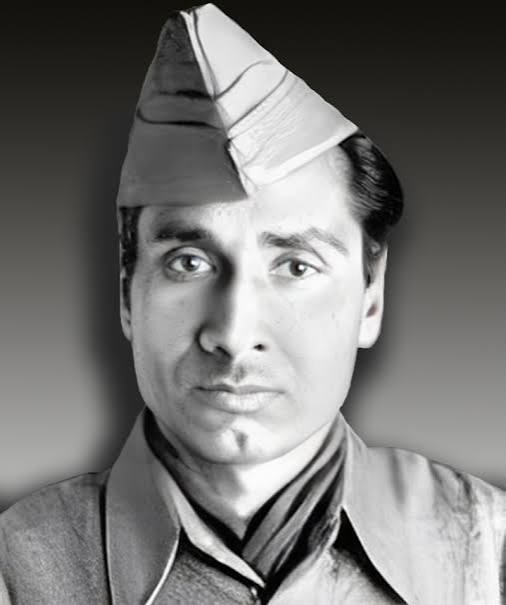
Colonel Gurbaksh Singh Dhillon was a stalwart of the Indian independence movement and a prominent officer in Subhas Chandra Bose’s Indian National Army (INA), famously known as Azad Hind Fauj. He is best remembered as one of the primary defendants in the historic 1945 INA Red Fort trials, where British authorities tried INA officers for treason. The overwhelming public outcry and legal defense during these trials galvanized the Indian populace, severely undermined British authority, and accelerated India’s march to freedom.
2. Quick Facts
- Full Name: Gurbaksh Singh Dhillon
- Native Name: ਗੁਰਬਖਸ਼ ਸਿੰਘ ਢਿੱਲੋਂ
- Date of Birth: March 18, 1914
- Place of Birth: Algeria, district Lahore, Punjab, British India (now in Pakistan)
- Nationality: Indian
- Occupation/Profession: Military Officer, Freedom Fighter, Farmer, and Author
- Field of Achievement: Military Leadership, Indian Independence Movement, Public Service
- Years Active: 1930s – 1946 (Active Military & INA), later engaged in public advocacy and agriculture.
3. Award Information
While Colonel Dhillon did not receive traditional state-conferred gallantry awards during the British era, he and his fellow INA comrades received the highest civilian honors and national recognition from a grateful independent nation.
- Award Name: Padma Bhushan
- Award Category: Civil Honour (Third-highest civilian award in India)
- Award Year: 1998
- Presented By: Government of India (President of India)
- Date of Ceremony: Republic Day 1998
- Citation/Official Reason: For exceptional and distinguished service to the nation, recognizing his monumental role in the freedom struggle and his supreme sacrifice as an officer of the Azad Hind Fauj.
- Other Recognitions: Tamra Patra (Copper Plaque) awarded by the Government of India to freedom fighters.
4. Why He Received the Award
Colonel Dhillon received national honors like the Padma Bhushan because of his absolute dedication to the liberation of India. He left a conventional military career to join Subhas Chandra Bose’s Azad Hind Fauj, leading troops on the battlefield in Burma (Myanmar) under extreme adversity. Furthermore, his steadfast courage during the Red Fort trials became a unifying symbol of patriotism, inspiring millions and cementing national unity across religious and regional lines.
5. Early Life
Born into a Jat Sikh family with a rich military background, Gurbaksh Singh Dhillon grew up imbued with a strong sense of discipline, honor, and patriotism. His father served in civil/military administration, which allowed young Gurbaksh to travel and experience diverse cultural environments across Punjab during his formative years. Witnessing British colonial rule firsthand deeply influenced his political consciousness and sparked an intense desire to see an independent India.
6. Education
Dhillon completed his primary and secondary schooling in Punjab. Given his family’s military lineage and his own ambitions, he pursued disciplined academic paths alongside rigorous physical training. His education instilled in him a sharp intellect and leadership qualities that would later define his tenure as a commissioned officer and military commander.
7. Career Journey
- British Indian Army: Dhillon initially enlisted in the British Indian Army as a soldier, quickly rising through the ranks due to his exemplary leadership and tactical acumen, eventually earning a commission.
- Transition to INA: Deployed to Southeast Asia during World War II, he was captured by Japanese forces after the fall of Singapore in 1942. Inspired by the charismatic leadership of Netaji Subhas Chandra Bose and the formation of the Azad Hind Government, Dhillon volunteered to join the Indian National Army.
- The Burma Campaign: He served with absolute distinction as a commander in the 4th Guerrilla Regiment (Nehru Brigade) of the INA, fighting alongside Japanese forces against the British on the arduous Imphal and Burma fronts.
8. Major Achievements
- Commanding the INA Regiments: Successfully leading troops through dense jungles, malaria-prone regions, and severe supply shortages while maintaining high morale.
- The Red Fort Trials (1945): Standing trial alongside Captain Shah Nawaz Khan and Colonel Prem Kumar Sehgal. Their defense, orchestrated by legendary legal minds like Bhulabhai Desai, Jawaharlal Nehru, and Kailash Nath Katju, exposed British atrocities and turned the defendants into national heroes.
- Post-Independence Farming and Public Life: After his release following commutation of sentence by the Commander-in-Chief, he settled down as a progressive farmer in Shivpuri, Madhya Pradesh, embodying simplicity and dedication to nation-building.
9. Contribution to the Nation
Dhillon’s greatest contribution was military resistance against colonial rule from outside India’s borders. By putting his life on the line under the banner of the INA, he proved that Indians could organize, command, and fight a modern military force for their sovereignty. The defense of Dhillon and his comrades during the Red Fort trials also triggered widespread naval and military mutinies (such as the Royal Indian Navy mutiny of 1946), making the British realize they could no longer hold India by force.
10. Other Awards and Honours
- Azad Hind Gold Medal: Conferred by Netaji Subhas Chandra Bose for exceptional bravery and leadership.
- Commemoration Stamps & Statues: Several memorials, statues, and roads across India (especially in Punjab and Madhya Pradesh) are named in his honor.
11. Legacy and Influence
Colonel Dhillon remains an immortal icon of secularism and supreme patriotism. The INA under Netaji and commanders like Dhillon comprised Indians of all religions, castes, and regions fighting under one flag (“Jai Hind”). Dhillon’s life taught generations that freedom requires personal sacrifice, moral courage, and unwavering commitment to unity.
12. Interesting Facts
- The Imphal Campaign: During the gruelling retreat from Imphal, Dhillon and his troops survived on minimal rations while carrying wounded comrades through treacherous terrain.
- Life After War: Unlike many political figures, Dhillon chose a quiet, humble life as a farmer after independence, shunning political power and luxury.
- Author: He penned valuable memoirs and historical accounts documenting the inner workings, ideals, and sacrifices of the Azad Hind Fauj.
13. Quotes
“Swaraj is our birthright, and to achieve it, no sacrifice is too great.”
“Netaji taught us that before being a Sikh, a Hindu, or a Muslim, we are all Indians first and last.”
14. Timeline
- 1914: Born on March 18 in Punjab, British India.
- 1930s: Enlists in the British Indian Army.
- 1942: Captured in Singapore; joins the Indian National Army (INA) under Netaji Subhas Chandra Bose.
- 1944–1945: Fights on the Burma front as a commander in the Nehru Brigade.
- 1945: Arrested by the British and put on trial at the historic Red Fort, New Delhi.
- 1946: Released following massive nationwide agitations and commutations.
- 1998: Awarded the Padma Bhushan by the President of India.
- 2006: Passed away on February 6, leaving behind a legacy of unmatched courage.
15. References
- Azad Hind: The Writings and Speeches of Netaji Subhas Chandra Bose
- The INA Heroes: Red Fort Trial Records – National Archives of India
- Official Gazettes of the Government of India (Padma Awards Directory, 1998)
16. Related Personalities
- Netaji Subhas Chandra Bose (Supreme Commander of the INA)
- Captain Shah Nawaz Khan (Co-defendant in the Red Fort Trials)
- Colonel Prem Kumar Sehgal (Co-defendant in the Red Fort Trials)
- Bhulabhai Desai (Lead defense counsel for the INA trials)
17. Frequently Asked Questions (FAQ)
Q1: Who was Gurbaksh Singh Dhillon?
A: He was a senior officer in the Indian National Army (INA) led by Subhas Chandra Bose and one of the principal defendants in the historic 1945 Red Fort trials.
Q2: What role did Dhillon play in the Red Fort trials?
A: He was tried for “waging war against the King” alongside Shah Nawaz Khan and Prem Kumar Sehgal. The trial became a massive rallying point for India’s freedom struggle, uniting citizens across the country against British rule.
Q3: When was he awarded the Padma Bhushan?
A: He was honored with the Padma Bhushan by the Government of India in 1998 for his distinguished service to the nation.
About the Author




