

1. Introduction
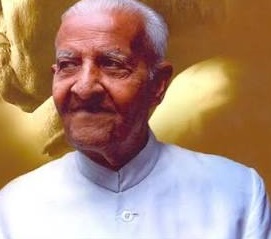
Setumadhavarao Pagadi (1910–1994) was a multifaceted luminary of modern India—equally distinguished as an able civil servant, a master historian, a prolific translator, and an exceptional polyglot. Fluent in over a dozen languages, he used his administrative acumen and deep historical scholarship to chronicle the socio-political evolution of the Deccan, Maratha history, and Mughal-Maratha relations. His rigorous scholarship remains a touchstone for historians studying medieval and modern Indian history.
2. Quick Facts
- Full Name: Setumadhavarao Pagadi
- Date of Birth: August 27, 1910
- Place of Birth: Hyderabad State, British India
- Date of Passing: October 14, 1994 (aged 84)
- Nationality: Indian
- Occupation/Profession: Civil Servant (IAS), Historian, Author, Translator
- Field of Achievement: Maratha History, Persian/Marathi Historiography, and Administration
- Years Active: 1930s to 1994
3. Award Information (Highlight: Sahitya Akademi Award)
- Award Name: Sahitya Akademi Award
- Award Category: Translation Category (Marathi)
- Award Year: 1990
- Presented By: Sahitya Akademi, New Delhi
- Citation/Official Reason: Conferred for his exceptional scholarly translations and linguistic brilliance, bridging classical historical texts into accessible, rich Marathi and English literature.
- Other Major State Honours:
- Padma Bhushan (1990) – India’s third-highest civilian honor, conferred by the Government of India for his lifelong contributions to literature and education.
4. Why He Received the Award
Pagadi was honored with the Padma Bhushan and the Sahitya Akademi Award because he single-handedly unlocked complex Persian, Urdu, and Arabic historical archives, translating and contextualizing primary source materials on Maratha and Mughal history for contemporary researchers. Rather than relying on secondary narratives, his historical works—such as studies on Chhatrapati Shivaji Maharaj and the Peshwas—brought unprecedented archival authenticity, objectivity, and linguistic precision to Indian historiography.
5. Early Life
Born in the princely state of Hyderabad, Setumadhavarao grew up in a multilingual, culturally rich environment. From his youth, he displayed an extraordinary aptitude for languages and literature. Surrounded by the confluence of diverse cultural traditions in the Deccan, he cultivated a lifelong discipline of rigorous inquiry, archiving, and comparative linguistic study.
6. Education
- Academic Background: Completed his higher education in Hyderabad and Bombay, building a strong foundation in history, literature, and law.
- Linguistic Mastery: Through independent study and academic rigor, he mastered over a dozen languages, including Sanskrit, Persian, Urdu, Arabic, Marathi, English, Kannada, Telugu, and French, enabling him to read original medieval manuscripts directly without intermediaries.
7. Career Journey
- Civil Services (Hyderabad State / IAS): Served with distinction as a senior civil servant in the administrative services of Hyderabad State and later within the Indian Administrative Service (IAS) post-independence, handling crucial administrative responsibilities during a transformative period in Indian history.
- District Administration & Beyond: Held various leadership positions across districts, earning a reputation for absolute integrity, administrative efficiency, and deep empathy for rural populations.
- Post-Retirement Research: Following his retirement from active civil service, he dedicated himself entirely to historical research, writing, and translation under various academic and state research boards.
8. Major Achievements & Works
Pagadi authored several authoritative historical and literary texts that remain standard reference books:
- Chhatrapati Shivaji (An objective, critically acclaimed biographical history)
- Thahqeeq-i-Shivaji (Editing and translation of Persian sources on Shivaji)
- Marathyancha Itihas
- Studies in Maratha History
- Numerous translated works bridging Persian chronicles with Marathi historical scholarship.
9. Contribution to the Nation
Setumadhavarao Pagadi bridged critical gaps between North Indian and South Indian historical archives. By translating Persian court records left by Mughal historians and contrasting them with Marathi bakhar accounts, he provided a balanced, objective, and secular perspective on the conflicts and coalitions of medieval India. Furthermore, his exemplary conduct as a bureaucrat set a high standard for combining intellectual depth with public service.
10. Other Awards and Honours
- Padma Bhushan (1990) by the Government of India.
- Sahitya Akademi Translation Prize (1990).
- Felicitations by various historical societies, the Asiatic Society, and literary bodies across Maharashtra and national platforms.
11. Legacy and Influence
Pagadi is remembered as an intellectual giant who proved that administrative rigor and profound historical scholarship can coexist harmoniously. Historians across India frequently cite his works when examining primary-source evidence of the 17th and 18th centuries. His personal collection of rare books and manuscripts continues to inspire academic research institutions.
12. Interesting Facts
- The Polyglot Prodigy: He could effortlessly read, write, and converse in more than 12 languages, often translating ancient manuscripts on the spot during research seminars.
- Bureaucrat-Historian: He belonged to a rare cadre of Indian civil servants—alongside figures like P. V. Kane and C. D. Deshmukh—who achieved elite academic and literary renown while managing heavy government portfolios.
- Objective Historiography: Known for his strict adherence to facts, Pagadi famously avoided emotional bias in history, preferring to let primary Persian and Marathi documents speak for themselves.
13. Quotes
“History must be read through the lens of primary evidence and contemporary records, unclouded by regional or sectarian bias.” — Setumadhavarao Pagadi
14. Timeline
Birth in Hyderabad State
August 27, 1910
Born into a culturally diverse environment, sparking his lifelong passion for languages and history.
Civil Service & Linguistic Mastery
1930s–1940s
Begins his administrative career while mastering classical and modern languages like Persian, Sanskrit, and Urdu.
IAS & Key Administrative Roles
Post-Independence
Serves in senior administrative capacities during the integration and reorganization of states.
Major Historical Publications
1960s–1980s
Publishes definitive historical works on Chhatrapati Shivaji and Maratha-Mughal relations.
Padma Bhushan & Sahitya Akademi Award
1990
Conferred India’s Padma Bhushan and the Sahitya Akademi Award in the same landmark year.
Passing
October 14, 1994
Passes away at the age of 84, leaving behind a monumental legacy in Indian historiography.
15. References
- Official archives of the Sahitya Akademi and Government of India award directories.
- Historical journals of the Itihas Samshodhan Mandal and Asiatic Society.
- Biographical introductions to Samagra Setumadhavarao Pagadi.
16. Related Personalities
- Acharya Durgaganesh Kelkar (Eminent Marathi historian and contemporary)
- N. C. Kelkar (Maratha historian, writer, and editor)
- Jadunath Sarkar (Legendary historian of the Mughal and Maratha eras)
17. Frequently Asked Questions (FAQ)
Q1: Who was Setumadhavarao Pagadi?
A: Setumadhavarao Pagadi was a distinguished Indian civil servant, historian, polyglot, and author renowned for his authoritative works on Maratha history and Persian-Marathi historical translations.
Q2: What major awards did he receive?
A: He received the prestigious Padma Bhushan in 1990 and the Sahitya Akademi Award in the same year for his scholarly contributions.
Q3: What languages was he proficient in?
A: He was a master polyglot fluent in over a dozen languages, including Persian, Urdu, Sanskrit, Marathi, English, Arabic, and French.
About the Author




