

1. Introduction
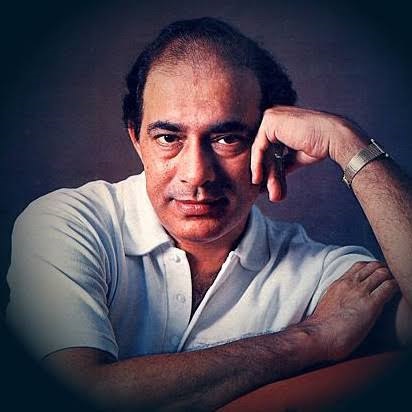
Talat Mahmood (1924–1998) was a legendary Indian playback singer and actor, celebrated universally as the “King of Ghazals”. Known for his signature velvety, melancholic, and soft-spoken voice, Talat introduced a unique trembling nuance (tremolo) that gave his songs an unmatched emotional depth. He was a defining pillar of the golden era of Hindi cinema, breathing life into romantic masterpieces and sorrowful melodies that continue to enchant listeners worldwide.
2. Quick Facts
- Full Name: Talat Mahmood
- Native Name: طلعت محمود (Urdu)
- Date of Birth: February 24, 1924
- Place of Birth: Lucknow, United Provinces, British India
- Date of Passing: May 9, 1998 (aged 74)
- Nationality: Indian
- Occupation/Profession: Playback Singer, Actor
- Field of Achievement: Indian Classical/Light Music and Hindi Film Industry
- Years Active: 1930s to 1990s
3. Award Information (Highlight: Padma Shri)
- Award Name: Padma Shri
- Award Category: India’s Fourth-Highest Civilian Honour
- Award Year: 1992
- Presented By: The President of India
- Citation/Official Reason: Conferred in recognition of his distinguished contributions to Indian music, playback singing, and the preservation and popularization of the ghazal genre in cinema.
4. Why He Received the Award
Talat Mahmood was honored with the Padma Shri and various other prestigious accolades because he revolutionized Indian playback singing. Before his arrival, louder, operatic vocal styles dominated cinema. Talat introduced a gentle, intimate style of crooning that matched the psychological depth of romantic tragedy and heartbreak. His timeless renditions set a gold standard for ghazals in Bollywood, and his cultural diplomacy took Indian music to global stages across the US, UK, East Africa, and the Middle East.
5. Early Life
Born in Lucknow into a cultured, music-appreciating family, Talat showed a deep inclination toward music from early childhood. Growing up in the heartland of Urdu poetry and traditional music, he began singing geets and ghazals at family gatherings. Even as a young boy, he possessed an innate sensitivity for lyrical nuance, training formally under local maestros in Lucknow before joining All India Radio (AIR) Lucknow as a young singer in 1939.
6. Education
- Early Education: Completed his schooling in Lucknow, where he balanced his academic studies with rigorous vocal training.
- Formal Music Training: Studied classical Hindustani music under the tutelage of prominent classical masters, including Pandit S. C. R. Bhat and Ustad Ahmed Khan, which grounded his voice in traditional technical discipline.
7. Career Journey
- Early Radio & HMV Success (1939–1944): Began recording ghazals for All India Radio and cut his first commercial record, “Sab Din Sahan Ke Nahin”, for HMV under the pseudonym T. Mahmood at the age of 17.
- The Calcutta Phase: Moved to Calcutta in the mid-1940s, acting in a few films (such as Rajkumari) and singing memorable Bengali non-film songs that made him a household name.
- The Golden Era in Bombay (Late 1940s–1950s): Relocated to Bombay, striking gold with Anil Biswas’s pathbreaking composition “Tasveer Teri Dil Mera” (Aarzoo, 1949). He became the definitive voice for top actors like Dilip Kumar, Dev Anand, and Raj Kapoor before Kishore Kumar and Mohammad Rafi entered their peak periods.
- Acting Career: Starred as a leading hero in several Hindi films alongside top actresses like Nutan and Suraiya (e.g., Waaris, Ek Gaon Ki Katha, Sone Ki Chidiya).
8. Major Achievements
- Recorded over 750 songs spanning Hindi, Bengali, and various regional languages.
- Credited as the first Indian playback singer to undertake extensive international concert tours, performing live across the United States, Canada, East Africa, the UK, and the West Indies in the 1950s and 1960s.
- Pioneered the modern ghazal singing format in Indian cinema, giving immortal classics like “Jalte Hain Jiske Liye” (Sujata) and “Aye Mere Dil-e-Nadaan” (Nurjehan).
9. Contribution to the Nation
Talat Mahmood was a cultural ambassador for India long before global tours became standard for artists. By taking classical Urdu poetry and delicate ghazals to the global diaspora, he fostered deep emotional connections with India across continents. Furthermore, his gracious demeanor, dedication to lyrical purity, and mentorship of lighter classical formats helped sustain the rich poetic traditions of North India within mainstream popular media.
10. Other Awards and Honours
- Filmfare Award for Best Male Playback Singer (1958) — for the song “Tasveer Banata Hoon” from Bhabhi.
- Lata Mangeshkar Award (Government of Madhya Pradesh).
- Special Tribute Award by the Filmfare organization for his lifelong contribution to cinema.
- Recognized by the Government of India through a commemorative postal stamp issued in his honor.
11. Legacy and Influence
Often cited by contemporary legends like Lata Mangeshkar and Kishore Kumar as one of the sweetest voices to ever grace the microphone, Talat’s unique vibrato remains a masterclass for aspiring vocalists. His son, Khalid Talat Mahmood, has actively worked to preserve his father’s vast musical archives, ensuring that future generations continue to appreciate the gentle artistry of the King of Ghazals.
12. Interesting Facts
- The “Tremolo” Trademark: His signature voice quiver (tremolo) was completely natural, born from the emotional intensity he poured into tragic and romantic lyrics.
- Hero Turned Singer-Hero: Unlike most playback singers who stayed behind the scenes, Talat was exceptionally handsome and acted as the romantic lead in over a dozen feature films before focusing entirely on playback singing.
- Multilingual Versatility: Though famous for Hindi and Urdu ghazals, he recorded immensely popular Bengali modern songs (adhunik gaan) under the name Talat Mahmud that remain classics in West Bengal.
13. Quotes
“A singer must understand the soul of the poetry. If you don’t feel the words you are singing, the listener will never feel them in their heart.” — Talat Mahmood
14. Timeline
Birth in Lucknow
February 24, 1924
Born into a culturally rich family in Lucknow, Uttar Pradesh.
All India Radio Debut
1939
Begins performing classical ghazals and geets on AIR Lucknow as a teenager.
The Breakthrough in Bombay
1949
Achieves massive nationwide stardom with the hit song “Tasveer Teri Dil Mera” from the film Aarzoo.
Wins Filmfare Award
1958
Awarded the Filmfare Award for Best Male Playback Singer for “Tasveer Banata Hoon”.
Awarded the Padma Shri
1992
Honored by the Government of India with the Padma Shri civilian award.
Passing in Mumbai
May 9, 1998
Passes away in Mumbai at the age of 74, leaving behind an immortal legacy of romantic melodies.
15. References
- The Hindu and Times of India biographical retrospectives on Talat Mahmood.
- Official archives of the Talat Mahmood Foundation (
talatmahmood.net). - Film history databases and documentation from the National Film Archive of India (NFAI).
16. Related Personalities
- Anil Biswas (Legendary music composer and mentor)
- Lata Mangeshkar (Frequent legendary duet partner)
- Dilip Kumar (Iconic actor who famously lip-synced many of Talat’s greatest songs)
- Mukesh (Contemporary golden-era playback singer)
17. Frequently Asked Questions (FAQ)
Q1: Why is Talat Mahmood called the “King of Ghazals”?
A: Because of his unmatched mastery over ghazal rendition, his melancholic vocal texture, and his ability to infuse profound emotional expression (bhava) into Urdu poetry.
Q2: Did Talat Mahmood act in films?
A: Yes! Before focusing entirely on playback singing, he acted as a romantic lead actor in several Hindi films during the late 1940s and 1950s, starring alongside top heroines of the era.
Q3: What were some of his most famous songs?
A: Some of his most celebrated tracks include “Jalte Hain Jiske Liye”, “Tasveer Teri Dil Mera”, “Aye Mere Dil-e-Nadaan”, and “Main Dil Hoon Ek Pyasa”.
About the Author




