

1. Introduction
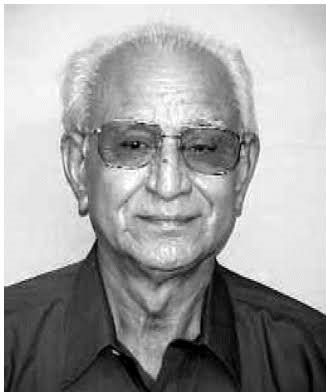
Dr. Triloki Nath Khoshoo (1923–2002) was a foundational figure in Indian environmental science, renowned for his pioneering contributions to plant cytogenetics, environmental management, and biodiversity conservation. As the founding Secretary of the Department of Environment (DoE), Government of India, he laid the structural, legislative, and institutional groundwork for environmental protection in the country. He was honored with the Padma Bhushan in 1992 for his monumental service to science and ecological preservation.
2. Quick Facts
- Full Name: Triloki Nath Khoshoo
- Native Name: त्रिलोक नाथ खोशू (Hindi) / ਤ੍ਰਿਲੋਕ ਨਾਥ ਖੋਸ਼ੂ (Punjabi)
- Date of Birth: April 7, 1923
- Place of Birth: Srinagar, Jammu and Kashmir, British India
- Date of Death: May 2, 2002 (aged 79) in New Delhi, India
- Nationality: Indian
- Occupation / Profession: Environmental Scientist, Cytogeneticist, Academic, Public Administrator
- Field of Achievement: Environmental Science, Botany, Conservation, Biomanagement
- Years Active: c. 1940s – 2002
3. Award Information (Focus: Padma Bhushan)
- Award Name: Padma Bhushan
- Award Category: Civil Honour (India’s third-highest civilian award)
- Award Year: 1992
- Presented By: The President of India
- Date of Ceremony: 1992
- Citation / Official Reason: For exceptional and distinguished service to the nation in science, engineering, and environmental conservation, acknowledging his seminal role in shaping India’s ecological policies.
- Previous Recipients: Eminent scientists, naturalists, and scholars of India.
- Next Recipients: Succeeding batches of national civilian honorees.
4. Why They Received the Award
Dr. Triloki Nath Khoshoo received the Padma Bhushan in 1992 in recognition of his lifelong dedication to environmental science and public administration. He was instrumental in translating ecological awareness into institutional policy in India, championing sustainable development, energy forestry, and the scientific management of fragile ecosystems long before mainstream environmentalism took root globally.
5. Early Life
Born on April 7, 1923, in Srinagar, Kashmir, into a Kashmiri Pandit family, Khoshoo developed a deep-rooted affinity for nature and plant life during his childhood in the Kashmir Valley. His early academic curiosity led him to specialize in botany, laying the groundwork for an illustrious career in plant sciences and genetics.
6. Education
- Undergraduate Degree: Earned his Bachelor of Science (BSc) from the University of Punjab.
- Postgraduate Degree: Completed his Master of Science (MSc) in Botany from the University of Punjab.
- Doctoral Studies: Obtained his Doctor of Philosophy (PhD) in Plant Cytogenetics from Panjab University in 1957, following advanced research training abroad.
7. Career Journey
- Academic & Research Roles: Served as a professor and researcher, building prominent departments in plant genetics and cytogenetics, notably at the National Botanic Research Institute (NBRI), Lucknow, where he served as Director.
- Architect of India’s Environment Ministry: Appointed as the first full-time Secretary of the newly formed Department of Environment (DoE) in 1982 under Prime Minister Indira Gandhi, shaping national environmental policy architecture.
- Tata Energy Research Institute (TERI): Served as Distinguished Scientist at TERI, promoting renewable energy, biomass utilization, and sustainable economic growth.
- Global Conservation Roles: Actively collaborated with international bodies like IUCN, UNEP, and UNESCO on global environmental governance and biodiversity conventions.
8. Major Achievements
- Institutionalizing Environmental Governance: Architected India’s core environmental regulatory framework, including environmental impact assessment (EIA) guidelines and pollution control mandates.
- Padma Bhushan (1992): Conferred India’s third-highest civilian award for excellence in environmental science and public policy.
- Renowned Scientific Author: Published over 250 research papers and authoritative books on cytogenetics, environmental degradation, and biomass energy.
- Fellowships of National Academies: Elected Fellow of the Indian National Science Academy (INSA), National Academy of Sciences, India (NASI), and the Indian Academy of Sciences (IASc).
9. Contribution to the Nation
Dr. Khoshoo transformed India’s approach to nature from passive appreciation to rigorous scientific management. By embedding environmental considerations into national planning, he ensured that India’s industrial and infrastructural growth accounted for ecological sustainability. His visionary work on energy forestry and wasteland development provided practical pathways for rural energy security and land restoration.
10. Other Awards and Honours
- Padma Bhushan (1992) by the Government of India
- Birbal Sahni Medal (1982) from the Indian Botanical Society
- Ramanujan Medal from the Indian National Science Academy
- Honorary D.Sc. degrees from several leading Indian and international universities.
11. Legacy and Influence
Dr. Triloki Nath Khoshoo is remembered as the father of modern environmental administration in India. His legacy lives on through the institutional frameworks he built, the generation of scientists he mentored, and his unwavering insistence that ecological conservation and economic development must go hand in hand.
12. Interesting Facts
- From Genes to Ecosystems: He transitioned seamlessly from studying microscopic chromosomal behavior in plants (cytogenetics) to managing macro-level environmental ecosystems.
- Pioneer of Biomass Energy: Decades ahead of current climate discussions, he championed “energy plantations” as a renewable, decentralized solution to rural fuel shortages.
- Kashmiri Roots: Despite spending decades in national administration in New Delhi and Lucknow, he maintained a profound intellectual connection with the ecology and flora of his native Himalayas.
13. Quotes
“Environment is not merely a sector of development; it is the foundation upon which all sustainable human activity must rest.” — Dr. Triloki Nath Khoshoo
14. Timeline
- 1923: Born on April 7 in Srinagar, Kashmir.
- 1957: Completes his PhD in Plant Cytogenetics.
- 1976–1982: Serves as Director of the National Botanic Research Institute (NBRI), Lucknow.
- 1982: Appointed as the first Secretary of the newly established Department of Environment, Government of India.
- 1992: Conferred India’s prestigious Padma Bhushan.
- 2002: Passes away on May 2 in New Delhi at the age of 79.
15. References
- Wikipedia contributors. “Triloki Nath Khoshoo.” Wikipedia, The Free Encyclopedia.
- Indian National Science Academy (INSA) Biographical Memoirs. “Triloki Nath Khoshoo” archives.
- The Hindu. “Eminent environmentalist T.N. Khoshoo passes away” (May 2002 archives).
- Ministry of Home Affairs, Government of India. “Padma Awards Directory”.
16. Related Personalities
- Indira Gandhi: Prime Minister of India who worked closely with Dr. Khoshoo to establish India’s dedicated environmental ministry.
- M. S. Swaminathan: Legendary agricultural scientist and contemporary who collaborated with Khoshoo on biodiversity and conservation strategies.
- Birbal Sahni: Eminent paleobotanist whose scientific tradition deeply influenced botanical research institutions in India.
17. Frequently Asked Questions (FAQ)
Q1: Who was Dr. Triloki Nath Khoshoo?
A: He was a pioneering Indian environmental scientist, cytogeneticist, and public administrator who served as the first Secretary of India’s Department of Environment.
Q2: What major national award did he receive?
A: He was awarded the Padma Bhushan in 1992 by the Government of India for his outstanding contributions to science and environmental conservation.
Q3: What were his primary contributions to India?
A: He established the core legislative and institutional frameworks for environmental protection, impact assessments, and biomass energy management in India.
About the Author




