Early Life and Education
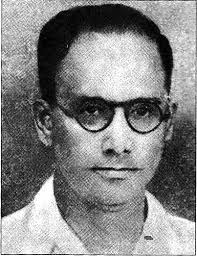
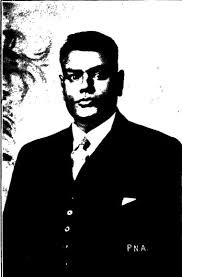
Paramasiva Subbarayan, popularly known as P. Subbarayan, was born on 11 September 1889 in the village of Kumaramangalam in present-day Tamil Nadu. He belonged to a prominent zamindar family and inherited the title of the Zamindar of Kumaramangalam. Despite his aristocratic background, he developed a strong interest in public service and national affairs.
Subbarayan received his early education in Tamil Nadu before pursuing higher studies at Presidency College, Madras. Seeking broader academic exposure, he later studied at the University of Oxford in England. His education provided him with a deep understanding of politics, administration, and international affairs, which later shaped his contributions to public life.
Education & Skills
P. Subbarayan was a well-educated leader with expertise in governance and administration. His educational experiences in both India and Britain equipped him with valuable leadership skills.
Some of his notable skills included:
- Administrative ability gained through his experience in public office.
- Diplomatic skills, which helped him represent India in international forums.
- Public speaking and political leadership, enabling him to advocate for social and educational reforms.
- Commitment to social justice, particularly in promoting inclusive policies.
- Knowledge of agricultural and rural issues, reflecting his concern for the welfare of ordinary people.
Contribution to Tamil Literature
Unlike many Tamil scholars of his time, P. Subbarayan was not primarily known as a literary figure. However, he contributed indirectly to the growth of Tamil literature and education by supporting initiatives that encouraged the use and development of regional languages.
During his tenure in public life, he emphasized the importance of education in the mother tongue and supported educational institutions that fostered Tamil learning. His efforts helped create an environment in which Tamil language and culture could flourish.
Role in India’s Freedom Movement
P. Subbarayan played a significant role during the period leading up to India’s independence. Although he was regarded as a moderate politician, he supported several nationalist causes.
His major contributions include:
- Serving as the Chief Minister (then called Premier) of the Madras Presidency from 1926 to 1930.
- Implementing progressive reforms in education and administration.
- Supporting measures aimed at improving opportunities for underrepresented communities.
- Cooperating with national leaders who sought constitutional reforms and greater self-governance for Indians.
- Participating in legislative efforts that advanced Indian interests during British rule.
Subbarayan’s administration is remembered for introducing reforms that promoted social equality and educational development in the Madras Presidency.
Personal Life
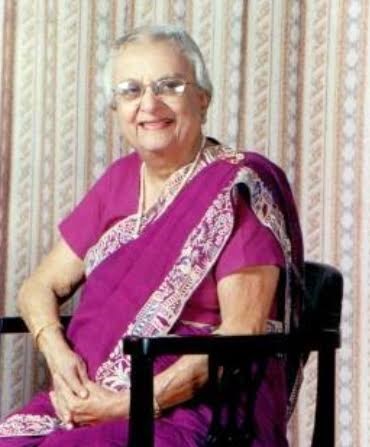
P. Subbarayan married Radhabai Subbarayan, who herself became a distinguished social reformer and political leader. Radhabai Subbarayan was among the first women from India to serve in important legislative bodies during the colonial period.
The couple had several children who went on to achieve prominence in various fields. Their family remained actively involved in public service and national development.
Despite belonging to an influential family, Subbarayan maintained a reputation for simplicity, integrity, and dedication to public welfare.
Death
P. Subbarayan passed away on 5 October 1962 at the age of 73. His death marked the end of a distinguished career devoted to public administration, social reform, and national service.
He is remembered as one of the notable leaders of the Madras Presidency who worked toward creating a more equitable society during a transformative period in Indian history.
Conclusion
P. Subbarayan occupies an important place in the political history of Tamil Nadu and India. An able administrator, reform-minded leader, and advocate of educational advancement, he contributed significantly to the development of the Madras Presidency during the late colonial era. Although not primarily celebrated as a literary figure, his support for education and regional culture indirectly strengthened Tamil intellectual life. His legacy continues through the reforms he championed and the example of public service he set for future generations.
About the Author