1. Introduction
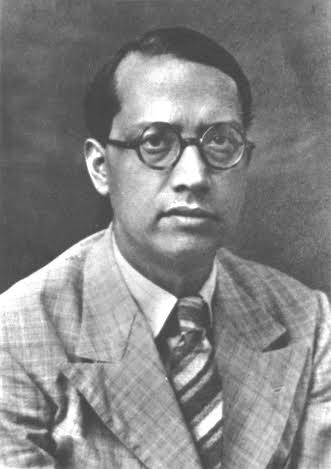
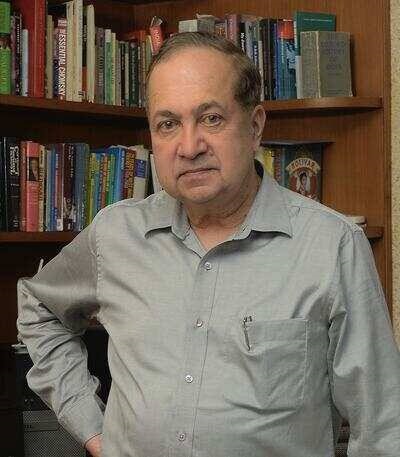
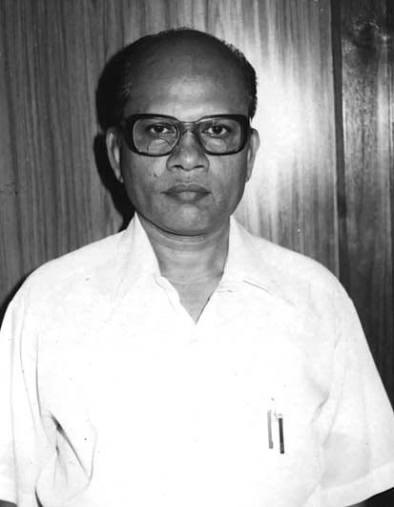
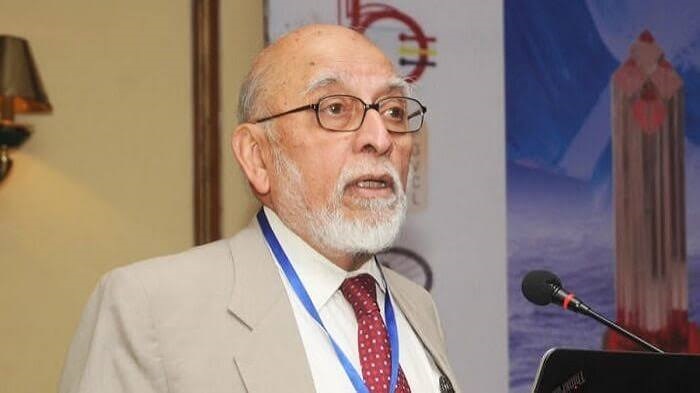
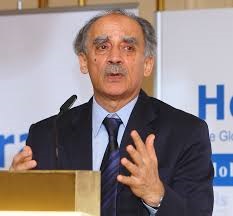
Arun Shourie is one of modern India’s most formidable public intellectuals, investigative journalists, and political commentators. As the former editor of The Indian Express, Shourie used fearless, meticulously documented journalism to challenge state corruption and authoritarianism during and after the Emergency. Later transitioning into public policy and active politics, he served as a Union Minister in the Vajpayee government, leaving a profound mark on India’s economic reforms, disinvestment policies, and contemporary socio-political discourse.
2. Quick Facts
- Full Name: Arun Shourie
- Native Name: অরুণ শৌরি (Bengali) / अरुण शौरी (Hindi)
- Date of Birth: November 2, 1941
- Place of Birth: Jalandhar, Punjab, British India
- Nationality: Indian
- Occupation / Profession: Journalist, Author, Economist, Politician, Public Intellectual
- Field of Achievement: Investigative Journalism, Public Policy, Political Commentary, and Literature
- Years Active: 1967–Present
3. Award Information (Padma Bhushan)
- Award Name: Padma Bhushan
- Award Category: Civil Honour (Third-highest civilian award in India)
- Award Year: 1990
- Presented By: Government of India
- Date of Ceremony: 1990 (Rashtrapati Bhavan, New Delhi)
- Citation/Official Reason: Recognized for distinguished service and exceptional contributions to journalism, literature, and public affairs.
- Previous Recipients: Noted scholars, public figures, and journalists of prior years.
- Next Recipients: Subsequent civilian laureates in the following cycles.
4. Why He Received the Award
Arun Shourie received the Padma Bhushan and other prestigious awards for his fearless role in defending freedom of the press and championing investigative journalism. During periods of severe political turmoil—most notably during and immediately following the Indian Emergency—his relentless exposés set a benchmark for accountability, courage, and uncompromising truth-telling in Indian media.
5. Early Life
Arun Shourie was born on November 2, 1941, in Jalandhar, Punjab, into a civil service family. His father, H.D. Shourie, was a respected bureaucrat. Growing up across various parts of India, Arun imbibed a deep sense of discipline, intellectual curiosity, and civic responsibility from his upbringing, which later guided his academic and professional paths.
6. Education
- Undergraduate: St. Stephen’s College, Delhi, where he graduated with a degree in Economics.
- Doctorate (Ph.D.): Maxwell School of Citizenship and Public Affairs at Syracuse University, New York, where he earned his Ph.D. in Economics in 1966.
7. Career Journey
- 1967–1972: Worked as an economist with the World Bank’s Development Economics Department.
- 1972–1974: Consultant to the Planning Commission of India.
- 1979–1982: Executive Editor of The Indian Express, where he spearheaded high-profile investigative campaigns.
- 1986–1990: Editor of The Times of India.
- 1998–2004: Member of Parliament (Rajya Sabha) representing Uttar Pradesh.
- 1999–2004: Union Minister for Disinvestment, Communications, and Information Technology in the Atal Bihari Vajpayee cabinet.
8. Major Achievements
- The Antulay Affair (1981–1982): Exposed financial corruption involving Maharashtra Chief Minister A.R. Antulay, leading to his resignation—a landmark victory for Indian investigative journalism.
- Economic Reforms & Disinvestment: As Minister for Disinvestment, successfully spearheaded the privatization of several loss-making public sector undertakings (PSUs) to streamline public finance.
- Prolific Authorship: Authored numerous best-selling books on politics, religion, history, and governance, including The State as Charade, Worshipping False Gods, Courts and Their Judgments, and Two Saints: Speculations Around Ramakrishna Paramahamsa and Ramana Maharshi.
9. Contribution to the Nation
Shourie redefined the watchdog role of the press in independent India. Beyond journalism, his policy work in government helped shift India toward structural economic liberalization and rationalized public sector management. Furthermore, his rigorous historical and sociological critiques forced open vital national conversations on secularism, governance, and institutional reform.
10. Other Awards and Honours
- Ramon Magsaysay Award (1982): For Journalism, Literature, and Creative Communication Arts.
- International Editor of the Year Award (1982): Conferred by World Press Review.
- Freedom to Publish Award (2000): By the International Publishers Association.
- Padma Bhushan (1990): Conferred by the Government of India.
11. Legacy and Influence
Arun Shourie’s legacy is that of an intellectual warrior who fought against ideological dogma from multiple angles. Whether tackling political corruption through ink and paper or reforming public infrastructure from within the cabinet, he maintained a reputation for intellectual rigor, fearlessness, and absolute commitment to democratic norms.
12. Interesting Facts
- World Bank Roots: Before making his name as a fiery journalist, Shourie spent years analyzing global economic development as a professional economist at the World Bank.
- Literary Versatility: In later life, following personal family challenges (specifically caring for his son, Aditya, who suffers from cerebral palsy), Shourie wrote deeply moving and philosophical works on suffering, spirituality, and inner resilience, such as Does He Know a Mother’s Heart?.
- Relentless Tenacity: During the Emergency (1975–1977), when mainstream press censorship was rampant, Shourie continued publishing underground critiques and articles that kept the flame of dissent alive.
13. Quotes
“The test of a free press is not whether it agrees with the government of the day, but whether it has the courage to hold power to account when it goes astray.” — Arun Shourie
14. Timeline
- 1941: Born on November 2 in Jalandhar, Punjab.
- 1966: Completes his Ph.D. in Economics from Syracuse University.
- 1979–1982: Serves as Executive Editor of The Indian Express, exposing major political scandals.
- 1982: Awarded the Ramon Magsaysay Award.
- 1990: Conferred the Padma Bhushan by the Government of India.
- 1999–2004: Serves as Union Minister for Disinvestment under Prime Minister Atal Bihari Vajpayee.
- Present: Continues writing influential books on political commentary, history, and philosophy.
15. References
- Ramon Magsaysay Award Foundation – Biography of Arun Shourie.
- Wikipedia contributors, “Arun Shourie,” Wikipedia, The Free Encyclopedia.
- Archival publications and interviews from The Indian Express and India Today.
16. Related Personalities
- Atal Bihari Vajpayee: Former Prime Minister of India and political mentor under whom Shourie served as a cabinet minister.
- Ram Jethmalani: Famed lawyer and political contemporary.
- Goenka Family: The founders and publishers of The Indian Express who backed Shourie’s bold journalism.
17. Frequently Asked Questions (FAQ)
- Q: Who is Arun Shourie?
- A: Arun Shourie is a veteran Indian journalist, author, economist, and former Union Minister.
- Q: What is Arun Shourie most famous for?
- A: He is best known for his fierce investigative journalism at The Indian Express, his books on Indian politics and history, and his tenure as India’s Minister for Disinvestment.
- Q: Has he received international recognition?
- A: Yes, he was honored with the prestigious Ramon Magsaysay Award in 1982 for his contributions to journalism.
- Q: What civilian award has he been given by India?
- A: He was awarded the Padma Bhushan, India’s third-highest civilian honor, in 1990.
About the Author