1. Introduction
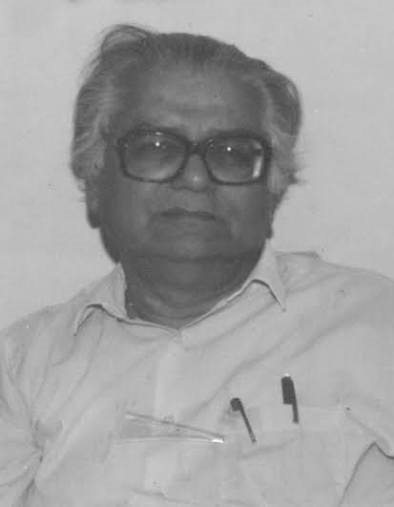
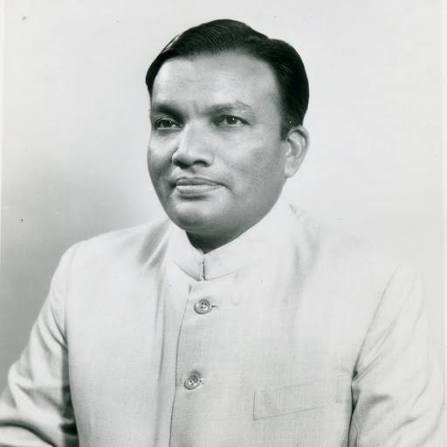
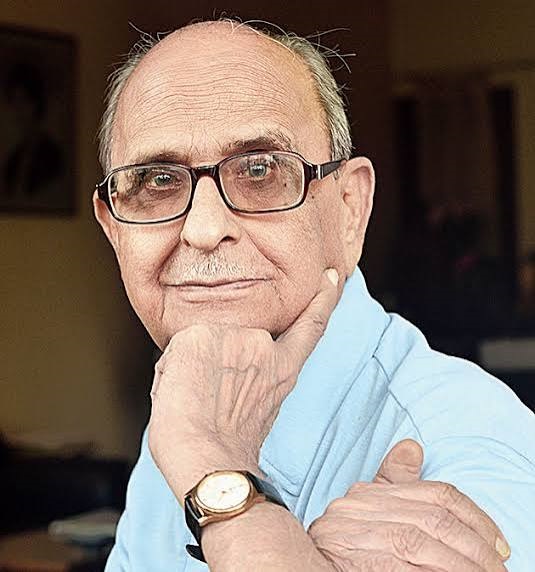
Bal Ram Nanda (1917 – 30 May 2010), popularly known as B.R. Nanda, was one of India’s most distinguished historians, biographers, and institutional builders. Widely recognized as the preeminent biographer of Mahatma Gandhi, Nanda dedicated his life to chronicling the political, ideological, and moral trajectories of modern India’s founding figures. As the founding director of the prestigious Nehru Memorial Museum & Library (NMML), he shaped the baseline of modern Indian historical research and archival preservation.
2. Quick Facts
- Full Name: Bal Ram Nanda (B.R. Nanda)
- Native Name: बाल राम नंदा (Hindi)
- Date of Birth: 1917
- Place of Birth: British India (New Delhi based later in life)
- Nationality: Indian
- Occupation/Profession: Historian, Biographer, Public Administrator, Author
- Field of Achievement: Modern Indian History, Archival Science, and Gandhian Studies
- Years Active: 1940s – 2010
3. Award Information
- Award Name: Padma Bhushan (followed by the Padma Vibhushan)
- Award Category: Civilian Award (Third-Highest Civilian Honour, later upgraded to Second-Highest)
- Award Year: 1988 (Padma Bhushan); 2003 (Padma Vibhushan)
- Presented By: The President of India
- Date of Ceremony: Rashtrapati Bhavan, New Delhi
- Citation/Official Reason: Recognized for exceptional and distinguished service in literature, education, and the preservation of modern Indian history through extensive research and biographical writing.
- Previous Recipients (Optional): Prominent scholars, historians, and public servants.
- Next Recipients: Subsequent annual national civilian awardees.
4. Why They Received the Award
B.R. Nanda received India’s high civilian honors for his unmatched contribution to historical literature and archival scholarship. His seminal biographies on Mahatma Gandhi, Motilal Nehru, and Gopal Krishna Gokhale set international benchmarks for objective historical writing. Furthermore, the awards honored his foundational role in building the Nehru Memorial Museum & Library into a world-class institution for modern Indian studies.
5. Early Life
Born in 1917, B.R. Nanda grew up during a transformative era marked by the intensifying Indian independence movement. Developing an early and deep fascination with literature, philosophy, and political evolution, he observed firsthand the ideological shifts championed by national leaders like Gandhi and Nehru, which ultimately steered his lifelong scholarly pursuits.
6. Education
- Higher Education: Studied history at Lahore University (Punjab University during the pre-partition era), where he cultivated a rigorous academic approach to historical analysis, political science, and socio-economic movements.
7. Career Journey
- Indian Railway Service: Initially joined the Indian Railways, serving successfully as a senior railway officer before transitioning fully into historical research and writing.
- Founding Director, NMML (1965–1979): Appointed as the first Director of the Nehru Memorial Museum & Library in New Delhi, transforming Teen Murti House into a premier global center for research on modern Indian history and contemporary politics.
- ICSSR National Fellow (1979–1982): Served as a National Fellow for the Indian Council of Social Science Research, focusing on independent research projects, essays, and critiques.
- Prolific Author & Biographer: Authored definitive volumes that became standard reading lists across universities worldwide.
8. Major Achievements
- Definitive Gandhian Scholarship: Published Mahatma Gandhi: A Biography (1958), which received international critical acclaim and was translated into French, Spanish, Italian, and several Indian languages.
- Critical Historical Works: Authored landmark texts including The Nehrus: Motilal and Jawaharlal (1962), Gokhale, Gandhi and the Nehrus (1974), Gandhi and his Critics (1985), and The Making of a Nation: India’s Road to Independence (1998).
- Institutional Legacy: Single-handedly curated priceless oral history transcripts, private papers, and rare documents at NMML, saving crucial fragments of India’s freedom struggle from being lost.
9. Contribution to the Nation
B.R. Nanda’s primary contribution to India was safeguarding its historical memory. By approaching the freedom struggle through deep archival research rather than hagiography, he provided generations of students, policymakers, and citizens with an objective, balanced understanding of India’s path to independence and the complexities faced by its founding architects.
10. Other Awards and Honours
- Padma Vibhushan (2003) – Conferred by the Government of India as a step-up honor for his lifelong dedication to historical literature.
- Fellowships and memberships across leading historical societies.
- Widely cited across global academic platforms as a leading authority on South Asian history.
11. Legacy and Influence
B.R. Nanda remains the gold standard for Indian political biography. His writings successfully humanized iconic historical figures without compromising historical accuracy. The institutional culture he instilled at the Nehru Memorial Museum & Library continues to guide generations of historians, archivists, and political scientists researching India’s democratic journey.
12. Interesting Facts
- Transition from Railways to History: Unlike many academic historians, Nanda began his professional career as a senior bureaucrat in the Indian Railways before completely dedicating his life to historical literature.
- Global Translation: His biography of Mahatma Gandhi became one of the most widely read international texts on the Mahatma, translated into major European and vernacular Indian languages.
- Centenarian Era: He remained intellectually active well into his later years, passing away at his New Delhi residence on 30 May 2010 at the age of 93.
13. Quotes
“The story of India’s freedom struggle is not just a chronicle of political triumphs, but a profound moral experiment that challenged the might of an empire through truth and self-discipline.”
(Reflecting his perspective on the Gandhian movement).
14. Timeline
- 1917: Born in British India.
- 1958: Published his masterpiece, Mahatma Gandhi: A Biography.
- 1965: Appointed as the first Director of the Nehru Memorial Museum & Library (serving until 1979).
- 1988: Conferred the Padma Bhushan by the Government of India.
- 2003: Awarded the Padma Vibhushan, India’s second-highest civilian honor.
- 30 May 2010: Passed away at his residence in New Delhi at age 93.
15. References
- Wikipedia contributors, “Bal Ram Nanda,” Wikipedia, The Free Encyclopedia.
- Nanda, Bal Ram. Mahatma Gandhi: A Biography (1958; Oxford University Press editions).
- Government of India archives on Padma Award recipients (Ministry of Home Affairs).
- Encyclopedia.com biographical entries on B.R. Nanda.
16. Related Personalities
- Mahatma Gandhi (Subject of his preeminent biographical works)
- Jawaharlal Nehru & Motilal Nehru (Subjects of his core political and historical studies)
- Gopal Krishna Gokhale (Subject of his analytical works on the Indian Moderates)
17. Frequently Asked Questions (FAQ)
- Q: Who was Bal Ram Nanda (B.R. Nanda)?
- A: He was a renowned Indian historian, civil servant, and the preeminent biographer of Mahatma Gandhi, as well as the founding director of the Nehru Memorial Museum & Library.
- Q: What are his most famous books?
- A: His most famous works include Mahatma Gandhi: A Biography, The Nehrus: Motilal and Jawaharlal, and Gokhale, Gandhi and the Nehrus.
- Q: What civilian awards did he receive?
- A: He received the Padma Bhushan in 1988 and was later honored with the Padma Vibhushan in 2003.
About the Author