1. Introduction
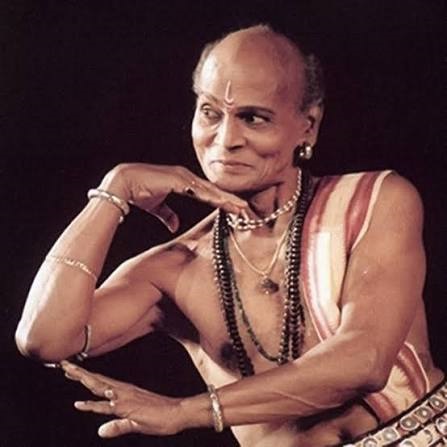
Guru Kelucharan Mohapatra (8 January 1926 – 7 April 2004) was a legendary Indian classical dancer, guru, and the undisputed architect of the modern revival of Odissi dance. Single-handedly taking an art form that was fading away in temple courtyards and rural stages, he restructured, codified, and presented it to global audiences. Celebrated as a master of Abhinaya (expression), a brilliant choreographer, and a virtuoso percussionist, his life remains synonymous with the golden era of Indian classical dance.
2. Quick Facts
- Full Name: Kelucharan Mohapatra
- Native Name: କେଳୁଚରଣ ମହାପାତ୍ର (Odia)
- Date of Birth: 8 January 1926
- Place of Birth: Raghurajpur, Puri district, Odisha, British India
- Nationality: Indian
- Occupation/Profession: Classical Dancer, Choreographer, Teacher, Percussionist
- Field of Achievement: Indian Classical Dance (Odissi), Performing Arts, and Cultural Revival
- Years Active: 1935 – 2004
3. Award Information
- Award Name: Padma Vibhushan
- Award Category: Civilian Award (Second-Highest Civilian Honour in India)
- Award Year: 2000
- Presented By: The President of India
- Date of Ceremony: 2000 (Rashtrapati Bhavan, New Delhi)
- Citation/Official Reason: Awarded for exceptional and distinguished service to the nation in the field of classical dance and the revival of traditional arts, making him the first person from Odisha to receive this prestigious honor.
- Previous Recipients (Optional): Notable national icons and statesmen across science, arts, and public service.
- Next Recipients: Subsequent annual lists of civilian awardees.
4. Why They Received the Award
Guru Kelucharan Mohapatra received the Padma Vibhushan for his monumental lifetime dedication to resuscitating and standardizing Odissi dance. He transformed a regional folk-temple tradition into an internationally acclaimed classical dance form. The award recognized his decades of tireless teaching, creation of timeless repertoires, and his unique ability to breathe life into stone temple sculptures through movement.
5. Early Life
Born in the artisan village of Raghurajpur in Puri—famous for its Pattachitra painters—Kelucharan grew up immersed in traditional arts. In his youth, he joined traditional Gotipua troupes (where young boys dress as female dancers to praise Lord Jagannath) and Rasa theatre parties. This early phase exposed him to rigorous physical training, folk music, stagecraft, make-up, and percussion. Following his theatre days, he faced severe financial hardship, briefly earning a livelihood by watering betel groves and carrying sand.
6. Education
- Traditional & Practical Training: Trained intensively under early masters in Gotipua dance, traditional theatre, and regional folk arts.
- Musical Mastery: Acquired deep mastery of classical percussion instruments, specifically the Mardala (Pakhawaj) and Tabla, under renowned gurus, which later formed the rhythmic backbone of his peerless dance compositions.
7. Career Journey
- Annapurna Theatre (Cuttack): Spent years working as a stage technician, actor, and percussionist, where his acting and dancing flair began to capture public attention.
- Kala Vikash Kendra (1953): Joined as a dance teacher in Cuttack, teaching there for over 15 years and laying the scientific groundwork for institutionalized Odissi training.
- Odissi Research Centre: Associated with the center in Bhubaneswar, spearheading the codification, technical systematization, and global propagation of Odissi.
- Srjan (1993): Co-founded Srjan (Guru Kelucharan Mohapatra Odissi Nrityabasa) with his wife Laxmipriya and son Ratikant to train future generations of dancers.
8. Major Achievements
- Codification of Odissi: Restructured the scattered elements of Mahari and Gotipua traditions into a cohesive classical structure recognized globally.
- Iconic Choreographies: Created monumental Pallavis (pure dance pieces that blossom like flowers) and expressive Ashtapadis from Jayadeva’s Gitagovinda.
- Sculptural Translation: Brought ancient Odissan temple sculptures to life on stage through precise body geometry, bends (Tribhanga), and fluid torso movements.
9. Contribution to the Nation
Guru Kelucharan Mohapatra single-handedly restored a lost cultural identity to Odisha and placed it on the global map of performing arts. By training generations of world-class disciples—such as Sanjukta Panigrahi, Sonal Mansingh, Madhavi Mudgal, and Kumkum Mohanty—he ensured that the ancient artistic heritage of India would endure and flourish internationally.
10. Other Awards and Honours
- Sangeet Natak Akademi Award (1966)
- Padma Shri (1974)
- Padma Bhushan (1988)
- Sangeet Natak Akademi Fellowship (1991)
- Kalidas Samman from the Government of Madhya Pradesh (1989)
- Srimanta Sankardeva Award from the Government of Assam (1997)
- Kabi Samrat Upendra Bhanja Samman from the Government of Odisha (2000)
11. Legacy and Influence
His legacy lives on through Srjan and an uncounted network of students and dance schools worldwide. His unique pedagogical style blended strict technical discipline with emotional depth. A dedicated temple dedicated to him at the Nrityagram dance community near Bengaluru stands as a testament to his revered, god-like status among classical artists.
12. Interesting Facts
- Multitalented Artist: Beyond dancing, he was an accomplished Pakhawaj player, a skilled painter trained in traditional Pattachitra, and an adept builder who laid bricks and mixed cement for his own dance center.
- Total Transformation: Despite his simple, unassuming demeanor offstage, the moment he assumed a character like Radha or Hanuman, his physical presence transformed entirely into mesmerizing grace.
- First from Odisha: He holds the historic distinction of being the very first person from the state of Odisha to be awarded the Padma Vibhushan.
13. Quotes
“Odissi is not a mere dance form to entertain people, but to inspire and elevate. I don’t actually dance, but pray in compassion, and the spectators say that this ‘form’ is dancing.”
14. Timeline
- 1926: Born on January 8 in Raghurajpur, Odisha.
- 1935–1940s: Trained in Gotipua dance and traditional theatre groups.
- 1953: Began teaching at Kala Vikash Kendra in Cuttack, shaping modern Odissi.
- 1966: Awarded the Sangeet Natak Akademi Award.
- 1974: Conferred the Padma Shri.
- 1988: Honored with the Padma Bhushan.
- 1993: Established the Srjan dance institute with his family.
- 2000: Awarded the country’s second-highest civilian honor, the Padma Vibhushan.
- 2004: Passed away on April 7 in Bhubaneswar at the age of 78.
15. References
- Encyclopædia Britannica profile on Kelucharan Mohapatra.
- Official biographical archives from Srjan (Guru Kelucharan Mohapatra Odissi Nrityabasa).
- Citaristi, Ileana. The Making of a Guru: Kelucharan Mohapatra, His Life and Times (Manohar, 2001).
- Government of India Padma Awards database (Ministry of Home Affairs).
16. Related Personalities
- Sanjukta Panigrahi (Legendary Odissi dancer and foremost disciple)
- Sonal Mansingh (Renowned classical dancer and student)
- Pankaj Charan Das (Co-pioneer of Odissi dance)
17. Frequently Asked Questions (FAQ)
- Q: What dance form is Guru Kelucharan Mohapatra associated with?
- A: He is globally renowned as the greatest master and revivalist of Odissi classical dance.
- Q: When did he receive the Padma Vibhushan?
- A: He was awarded the Padma Vibhushan in 2000, becoming the first person from Odisha to receive it.
- Q: What was Srjan?
- A: Srjan is the premier Odissi dance academy and school founded by Guru Kelucharan Mohapatra and his family in Bhubaneswar in 1993.
About the Author