1. Introduction
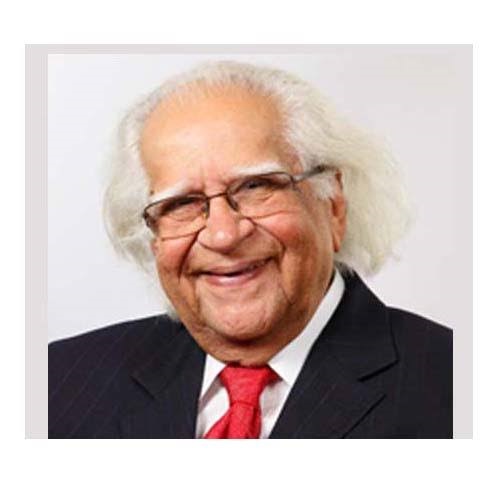
Dr. Abid Hussain (26 December 1926 – 21 June 2012) was one of modern India’s most influential public intellectuals, economic reformers, and diplomats. Traversing a multi-decade career that spanned the higher echelons of the Indian Civil Services, international United Nations bodies, and global diplomacy, he left an indelible mark on India’s trade, industrial policy, and international relations. Known for his sharp intellect and pragmatic approach to economic liberalization, Dr. Hussain helped architect policies that steered India toward global integration.
2. Quick Facts
- Full Name: Abid Hussain
- Native Name: عابد حسین (Urdu) / ಆಬಿದ್ ಹುಸೇನ್ (Telugu context)
- Date of Birth: 26 December 1926
- Place of Birth: Hyderabad, Hyderabad State, British India
- Nationality: Indian
- Occupation/Profession: Economist, Civil Servant, Diplomat
- Field of Achievement: Public Administration, Economic Policy, Diplomacy, and International Relations
- Years Active: 1948 – 2012 (spanning service, advisory, and academic roles)
3. Award Information
- Award Name: Padma Bhushan
- Award Category: Civilian Award (Third-Highest Civilian Honour in India)
- Award Year: 1988
- Presented By: The President of India
- Date of Ceremony: 1988 (Rashtrapati Bhavan, New Delhi)
- Citation/Official Reason: Awarded in recognition of distinguished service of a high order to the nation, particularly in civil administration, economic planning, and public affairs.
- Previous Recipients (Contextual): Notable figures across science, arts, and public service in India.
- Next Recipients: Subsequent annual lists of civilian awardees in India.
4. Why They Received the Award
Dr. Abid Hussain received the Padma Bhushan for his lifetime of exceptional public service. By the late 1980s, he had transformed India’s industrial landscape as Commerce Secretary, served critically on the Planning Commission, and shaped foundational trade and technology committees. The honor acknowledged his tireless work in modernizing India’s bureaucratic machinery, crafting visionary trade policies, and representing India’s economic interests globally.
5. Early Life
Born into a culturally rich family in Hyderabad during the British Raj, Abid Hussain grew up witnessing the dynamic geopolitical shifts of pre- and post-independent India. Cultivated in an environment that deeply valued literature, public service, and intellectual discourse, he developed a profound interest in economics and social welfare from an early age.
6. Education
- Schooling & Early Studies: Grew up in his hometown of Hyderabad.
- Higher Education: Studied at the prestigious Nizam College, Hyderabad starting in 1942, where he built a solid foundation in humanities and social sciences before joining the civil services.
7. Career Journey
- Indian Administrative Service (IAS): Held various senior and executive positions across state and central governments.
- Key Ministerial Roles: Served as Secretary in the Ministry of Commerce and Industry and the Ministry of Heavy Industries.
- Planning Commission: Served as a Member of India’s Planning Commission from 1985 to 1990.
- Diplomatic Stint: Appointed as India’s Ambassador to the United States from 1990 to 1992, managing complex bilateral ties during a crucial post-Cold War transition period.
- International Roles: Seconded to the UN multiple times—serving as a UN Advisor on community development in Turkey, Industrial Advisor in Fiji, and Chief of Industrial, Technology, Human Settlements, and Environment at ESCAP in Bangkok. He also spent nine years as a UN Special Rapporteur on freedom of opinion and expression.
8. Major Achievements
- Architect of Committee Reforms: Chaired six critical Government of India committees covering Trade Policy Reforms, Project Exports, the CSIR Review Committee for Science and Technology, Textile Policy, Capital Market Development, and Small Scale Industries (SSI).
- The Abid Hussain Committee (1997): Famously shifted India’s policy on Small Scale Industries from passive “protection” to aggressive “competitiveness and efficiency”.
- Strategic Diplomatic Realignment: Played a pioneering backstage role as Ambassador to the US in urging closer strategic and diplomatic dialogues, including advocating for robust ties with Israel to bolster India’s geopolitical edge.
9. Contribution to the Nation
Dr. Hussain was at the intellectual and structural forefront of India’s economic reforms starting in the 1980s. Long before the landmark 1991 liberalization, he challenged rigid bureaucratic controls and advocated for export-led growth, technology modernization, and market transparency. Domestically, his contributions extended into education and cultural preservation as chancellor of major universities and president of institutions like Katha.
10. Other Awards and Honours
- Chancellor of the English and Foreign Languages University, Hyderabad
- Chancellor of the ICFAI Foundation for Higher Education
- Member of the Constitution Review Commission set up by the Government of India
- Fellowships and memberships across international bodies, including the Council on Foreign Relations (New York) and the Academy of the Kingdom of Morocco.
11. Legacy and Influence
Dr. Hussain is remembered as a rare blend of a meticulous bureaucrat and a progressive intellectual. He bridged the gap between closed-market socialism and globalized market economics. His progressive outlook on civil liberties, freedom of expression, and cultural relativism ensured that his administrative legacy was matched by a deep commitment to democratic values.
12. Interesting Facts
- Family Ties: His brother, Irshad Panjatan, is a renowned actor and mime artist who famously starred in the German film Der Schuh des Manitu.
- Global Thinker: Aside from economics, Dr. Hussain was deeply immersed in literature, linguistic rights, and children’s education, serving for years as the president of the literary organization Katha.
- Sudden Passing: He passed away due to a massive heart attack on 21 June 2012 in London, while actively engaged in international panels on democracy and higher education.
13. Quotes
“The test of a progressive nation is not how well it protects the old, but how fearlessly it prepares for the new through competition and innovation.” (Reflecting his philosophy on economic and industrial reform).
14. Timeline
- 1926: Born on December 26 in Hyderabad, India.
- 1942: Began his studies at Nizam College, Hyderabad.
- 1985–1990: Served as a Member of the Planning Commission of India.
- 1988: Honored with the Padma Bhushan by the Government of India.
- 1990–1992: Served as India’s Ambassador to the United States.
- 1997: Headed the milestone Abid Hussain Committee report on Small Scale Industries.
- 2012: Passed away on June 21 in London, England.
15. References
- Government of India archives on civilian awards (Padma Bhushan records).
- Official publications and historical data from the Planning Commission of India.
- Biographical profiles via Katha, Indian Administrative Service historical documents, and international media obituaries (2012).
16. Related Personalities
- P. V. Narasimha Rao (Former Prime Minister of India, with whom Hussain closely coordinated economic and foreign strategies)
- Dr. Manmohan Singh (Architect of 1991 reforms and contemporary economist-administrator)
- Irshad Panjatan (Brother and celebrated mime artist/actor)
17. Frequently Asked Questions (FAQ)
- Q: What was Dr. Abid Hussain best known for?
- A: He is best known for his roles as India’s Ambassador to the US, a member of the Planning Commission, and his crucial contributions to India’s trade policies and industrial economic reforms.
- Q: When did he receive the Padma Bhushan?
- A: He was awarded the Padma Bhushan in 1988.
- Q: What was the Abid Hussain Committee?
- A: Formed in the late 1990s, it reviewed India’s Small Scale Industries (SSI) and recommended shifting focus from state protectionism toward market competitiveness, modernization, and export quality.
About the Author