1. Introduction
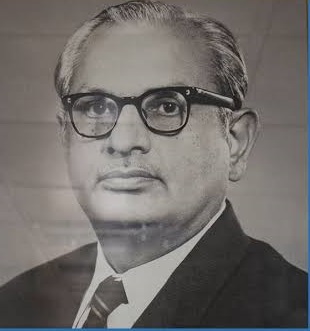
Ram Krishna Trivedi (1 January 1921 – 19 November 2015) was a legendary Indian civil servant, administrator, and constitutional authority. Having served the nation across critical eras, he notably held office as the Chief Election Commissioner of India (CEC) during the volatile mid-1980s and later as the Governor of Gujarat. Known for his exceptional administrative rigour, he helped shape India’s central planning, administrative frameworks, and electoral integrity.
2. Quick Facts
- Full Name: Ram Krishna Trivedi
- Native Name: राम कृष्ण त्रिवेदी
- Date of Birth: 1 January 1921
- Place of Birth: Myingyan, Myanmar (Burma)
- Nationality: Indian
- Occupation/Profession: Civil Servant, Bureaucrat, Constitutional Authority, Governor
- Field of Achievement: Public Administration, Electoral Management, State Governance, Anti-Corruption (CVC)
- Years Active: 1943–1990
3. Award Information (Focus: Padma Bhushan)
- Award Name: Padma Bhushan
- Award Category: Civil Services / Public Affairs
- Award Year: 1986
- Presented By: The President of India
- Citation/Official Reason: Recognized for exceptional and distinguished services to the nation in public administration and governance.
4. Why Did They Receive the Award?
R.K. Trivedi received the Padma Bhushan—India’s third-highest civilian honor—for a stellar 36-year career in public service. His contributions spanned district administration, helping draft India’s national five-year plans, curbing corruption as the Central Vigilance Commissioner, and successfully steering the massive 1984 Indian General Election as the Chief Election Commissioner under trying political circumstances.
5. Early Life
Born in Myingyan, Burma (now Myanmar) in January 1921, Trivedi grew up during the British colonial era. Moving back to India for higher studies, he cultivated a sharp academic mindset and a profound grasp of history, public policy, and law, which prepared him for the rigors of governing a newly independent nation transitioning into a republic.
6. Education
- Undergraduate & Postgraduate Studies: Studied at the University of Yangon (Rangoon) and subsequently earned a brilliant academic record at the University of Lucknow, India.
7. Career Journey
- Civil Service Entry (1943): Joined the Civil Services, building a robust 36-year administrative record across Uttar Pradesh and the Central Government.
- District & State Administration: Served as District Magistrate in key districts like Allahabad and Kanpur, and later as Commissioner of the Allahabad Division. He also headed the Medical, Finance, Power, and Home departments in UP.
- Union Secretary (1975): Rose to the highest civil service rank as Secretary to the Government of India in the Department of Personnel and Administrative Reforms.
- Central Vigilance Commissioner (1980–1982): Introduced key structural protocols to curb corruption in public institutions.
- Chief Election Commissioner (1982–1985): Managed the mammoth 1984 Lok Sabha general elections.
- Governor of Gujarat (1986–1990): Concluded his active public life serving as the constitutional head of Gujarat.
8. Major Achievements
- 1984 General Election Oversight: Successfully conducted the complex national parliamentary elections during a period of high regional tension in states like Punjab and Assam.
- Civil Service Training: Played a foundational role in establishing and executing the training framework for the Lal Bahadur Shastri National Academy of Administration (LBSNAA) in Mussoorie.
- Economic Planning: Worked closely within the Planning Commission of India to help draft the country’s 5th Five-Year Plan.
9. Contribution to the Nation
Trivedi was a institutional anchor for Indian democracy. As CEC, he proposed progressive electoral reforms that triggered vital national debates on clean politics. Earlier, his work in personnel administration streamlined governance frameworks, ensuring that the Indian bureaucratic machinery remained resilient, professional, and accountable to public welfare.
10. Other Awards and Honours
- Padma Bhushan (1986): Awarded by the President of India on Republic Day.
- Vice-Presidency of IIPA: Served as the Vice-President of the Indian Institute of Public Administration (IIPA), New Delhi.
- Advisory Roles: Acted as an advisor to the Asian Centre for Development Administration (ESCAP-UN) in Kuala Lumpur.
11. Legacy and Influence
R.K. Trivedi is remembered as a quintessential bureaucrat of the old school—incorruptible, meticulous, and deeply committed to constitutional values. His administrative blueprints continue to influence civil service training protocols and election management systems in modern India.
12. Interesting Facts
- He was born abroad in Burma before returning to India to build his legendary career in public administration.
- During his tenure as Chief Election Commissioner, he handled national polls under immense socio-political duress, successfully polling a massive and expanding electorate.
- He lived a long, distinguished life, passing away on November 19, 2015, at the age of 94.
13. Quotes
“The strength of Indian democracy lies not just in its laws, but in the unwavering neutrality and courage of the institutions that guard it.” — R.K. Trivedi (Reflecting his approach to public office)
14. Timeline
- 1921: Born on January 1 in Myingyan, Burma.
- 1943: Enters the Civil Services.
- 1975: Appointed Secretary to the Government of India (Department of Personnel).
- 1980: Takes charge as the Central Vigilance Commissioner (CVC).
- 1982: Assumes office as the Chief Election Commissioner (CEC) of India.
- 1984: Oversees the historic national general elections.
- 1986: Conferred the Padma Bhushan; assumes office as Governor of Gujarat.
- 1990: Completes his tenure as Governor of Gujarat.
- 2015: Passes away on November 19 at the age of 94.
15. References
- Wikipedia & National Archives (R.K. Trivedi Profile)
- Ministry of Home Affairs, Government of India (Padma Awards Directory)
- Election Commission of India (Former CEC Archives)
- Academic and biographical sketches on Indian Governors and Bureaucrats
16. Related Personalities
- S.L. Shakdhar (Predecessor as Chief Election Commissioner)
- R.V.S. Peri Sastri (Successor as Chief Election Commissioner)
- Braj Kumar Nehru (Predecessor as Governor of Gujarat)
17. Frequently Asked Questions (FAQ)
- Q: What major roles did R.K. Trivedi hold in his career?A: He served as the Central Vigilance Commissioner, the Chief Election Commissioner of India (1982–1985), and later as the Governor of Gujarat (1986–1990).
- Q: Which landmark election did he oversee as CEC?A: He oversaw the critical 1984 Indian general elections to the Lok Sabha.
- Q: When was he awarded the Padma Bhushan?A: He was awarded the Padma Bhushan by the President of India in 1986.
About the Author