1. Introduction
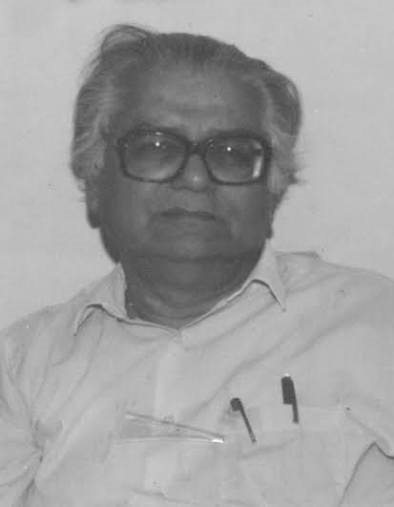
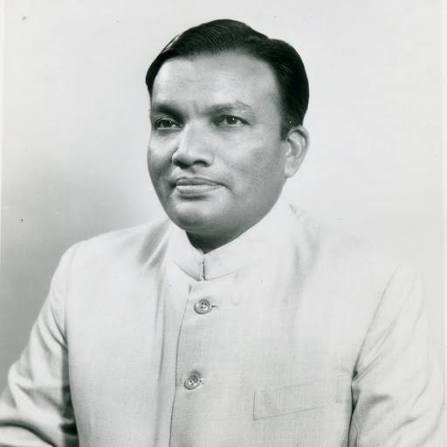
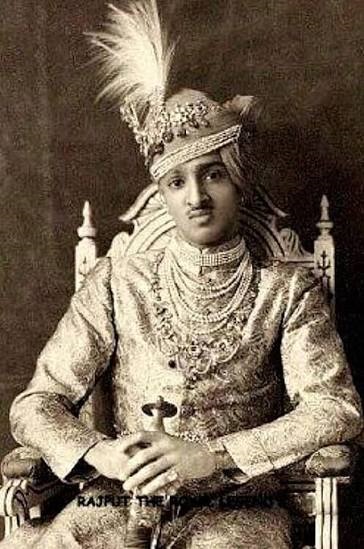
Maharaja Martand Singh Ju Deo Bahadur was the last ruling Maharaja of the princely state of Rewa (in present-day Madhya Pradesh, India), a visionary wildlife conservationist, and a popular parliamentarian. Globally renowned as the man who discovered and successfully bred the world’s first modern white tiger, he dedicated his life to environmental preservation, establishing protected forest zones like Bandhavgarh, and serving his people through tumultuous political transitions in post-independence India.
2. Quick Facts
- Full Name: Maharaja Martand Singh Ju Deo Bahadur
- Native Name: महाराजा मार्तंड सिंह जू देव बहादुर
- Date of Birth: 15 March 1923
- Place of Birth: Govindgarh Fort, Rewa, Central India (British India)
- Nationality: Indian
- Occupation/Profession: Royal Ruler, Wildlife Conservationist, Politician
- Field of Achievement: Environmental and Tiger Conservation, White Tiger Breeding, Public Service
- Years Active: 1946–1995 (As Maharaja from 1946; later active as a Member of Parliament)
3. Award Information (Focus: Padma Bhushan)
- Award Name: Padma Bhushan
- Award Category: Civil Services / Wildlife Conservation
- Award Year: 1986
- Presented By: The President of India
- Citation/Official Reason: Recognized for his exceptional contributions to society, environmental protection, and pioneering wildlife conservation in India.
4. Why Did They Receive the Award?
Maharaja Martand Singh received the Padma Bhushan—India’s third-highest civilian honor—for his unmatched contributions to wildlife conservation. Long before mainstream environmentalism took root in India, he protected the rich forests of the Vindhya range, created sanctuaries, and famously saved the rare white tiger from extinction by initiating controlled breeding programs.
5. Early Life
Born into the Baghel Rajput royal family of Rewa in March 1923, he was the son of Maharaja Gulab Singh Ju Deo Bahadur. Unlike many royals of his era who viewed nature strictly through the lens of big-game hunting, young Martand Singh developed an early, profound love for literature, natural history, and forest ecology. His father was imprisoned by British colonial authorities for supporting Mahatma Gandhi’s freedom movement, which forced Martand Singh to ascend the throne prematurely at the age of 23 in 1946.
6. Education
- Early Schooling: Received elite tutoring and foundational education emphasizing humanities and science.
- Higher Education: Attended the prestigious Daly College in Indore.
- Graduation: Completed his education at Mayo College in Ajmer, graduating in 1941.
7. Career Journey
- Accession to Throne (1946): Became the Maharaja of Rewa following his father’s imprisonment and subsequent exit from active power.
- Rajpramukh (1948): Briefly served as the Rajpramukh (Governor-equivalent head) of the newly formed union of Vindhya Pradesh.
- Transition to Democracy (1970): Gracefully accepted the abolition of royal purses and titles by the Indian government, seamlessly shifting from a monarch to a public representative.
- Parliamentary Career: Elected multiple times as a Member of Parliament (MP) to the Lok Sabha representing the Rewa constituency (5th, 7th, and 8th Lok Sabhas: 1971–1977, 1980–1989).
8. Major Achievements
- Discovery of Mohan the White Tiger (1951): Captured and protected the world’s first documented white tiger cub (named Mohan) from the forests of Sidhi/Rewa.
- Global Lineage of White Tigers: Successfully initiated the breeding of white tigers, meaning every single white tiger alive in zoos and reserves across the world today traces its ancestry back to Mohan.
- Bandhavgarh National Park: Instrumental in establishing and protecting the natural habitat that later became the globally famous Bandhavgarh Tiger Reserve.
9. Contribution to the Nation
Maharaja Martand Singh played a foundational role in wildlife preservation in independent India. By proving that white tigers were a rare natural genetic mutation (recessive gene variant) rather than diseased albinos, he shifted scientific perspectives globally. Furthermore, his efforts transformed Madhya Pradesh into a stronghold for tiger conservation, earning it the enduring moniker of India’s “Tiger State”.
10. Other Awards and Honours
- Padma Bhushan (1986): Awarded by the Government of India.
- Eponymous White Tiger Safari: The world’s first dedicated Maharaja Martand Singh Ju Deo White Tiger Safari and Zoo in Mukundpur, Satna (Madhya Pradesh), is named in his honor.
11. Legacy and Influence
He is remembered as a “prince among conservationists” who traded absolute royal authority for public service and environmental stewardship. His legacy lives on through the Maharaja Martand Singh Charitable Trust, which continues local community welfare, educational development, and cultural restoration projects in Rewa.
12. Interesting Facts
- Contrary to the typical royal hunting ethos of his family—his father had shot over 500 tigers—Martand Singh transitioned into a fierce protector of wildlife and ecosystems.
- The famous white tiger Mohan was initially housed and raised inside the royal Govindgarh Palace grounds after being found in 1951.
- He won his parliamentary elections as an independent candidate by landslide margins, demonstrating immense personal popularity long after his official title was abolished.
13. Quotes
“Conservation is not merely about protecting animals; it is about preserving the sacred link between human beings, our forests, and our collective heritage.” — Maharaja Martand Singh (Paraphrased from historical accounts on his conservation philosophy)
14. Timeline
- 1925: Born on March 15 in Rewa, Central India.
- 1941: Graduates from Mayo College, Ajmer.
- 1946: Ascends the throne as the Maharaja of Rewa.
- 1951: Discovers and captures Mohan, the world’s first known living white tiger, in the Rewa jungles.
- 1970: Official royal titles and privileges are abolished by the Indian Government; establishes the charitable trust.
- 1971: Elected to the 5th Lok Sabha as a Member of Parliament.
- 1986: Conferred the Padma Bhushan by the Government of India.
- 1995: Passes away on November 20 at the age of 72.
15. References
- Ministry of Home Affairs, Government of India (Padma Awards Directory)
- The Independent – Obituary Archive on Maharaja Martand Singh
- Official Government Portals of Madhya Pradesh & Rewa District Archives
- The Wildlife Memoirs: A Forester Recollects by R.C. Sharma
16. Related Personalities
- Maharaja Gulab Singh Ju Deo (Father and former freedom-supportive ruler of Rewa)
- Maharani Pravina Kumari (Wife, Princess of Kutch)
- Pushpraj Singh (Son and custodian of the Rewa royal legacy/trust)
17. Frequently Asked Questions (FAQ)
- Q: Why is Maharaja Martand Singh famous?A: He is internationally famous for discovering, capturing, and successfully breeding Mohan, the world’s first recorded white tiger, in 1951.
- Q: Are all white tigers related to his discovery?A: Yes. Virtually all white Bengal tigers living in captivity across global zoos today are direct descendants of the original white tiger found in Rewa by Martand Singh.
- Q: What political roles did he hold after India’s independence?A: Following the end of royal privileges, he transitioned into democratic politics and served multiple terms as a Member of Parliament (MP) representing Rewa in the Lok Sabha.
About the Author