1. Introduction
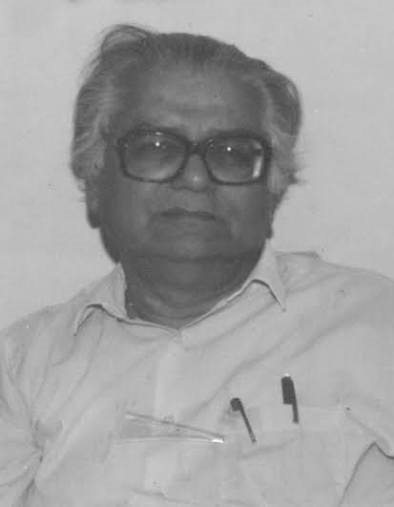
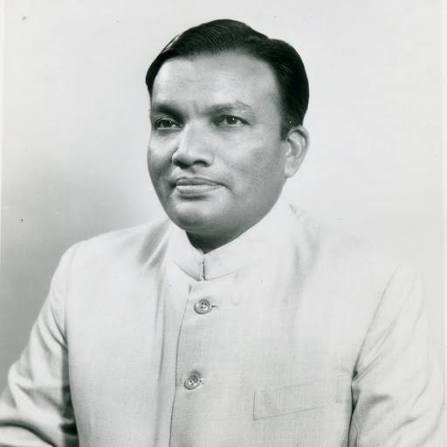
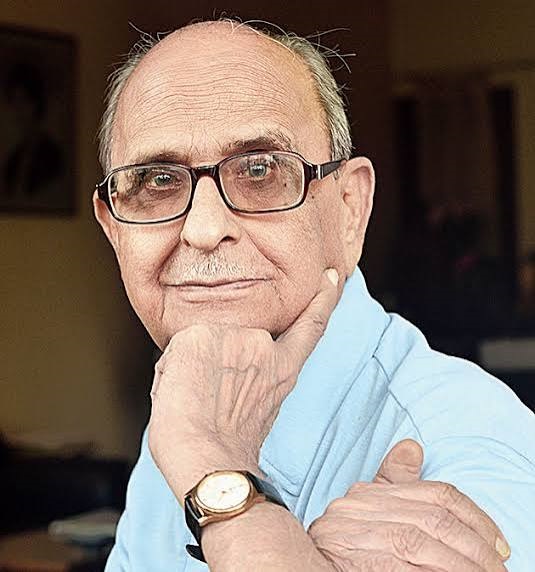
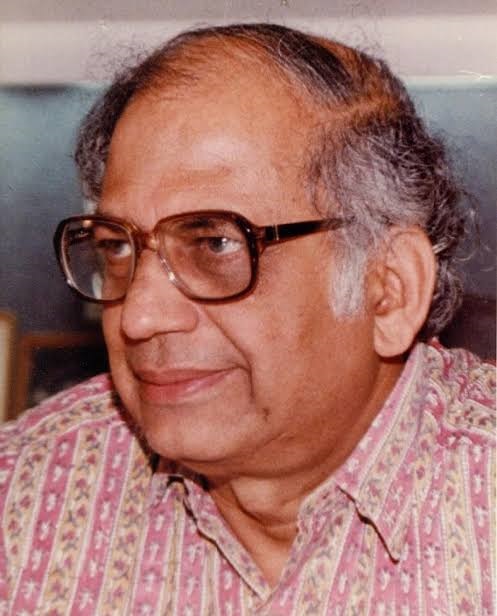
Dr. Pushpa Mittra Bhargava (1928–2017) was an extraordinary Indian scientist, visionary administrator, and a fierce crusader for scientific temper and rationalism. Widely recognized as the pioneer of modern biotechnology in India, he is best celebrated for founding the world-class Centre for Cellular and Molecular Biology (CCMB) in Hyderabad. Unflinchingly vocal and intellectually rigorous, he spent his life championing independent thought, secularism, and ethical governance in science.
2. Quick Facts
- Full Name: Pushpa Mittra Bhargava
- Native Native: पुष्पमित्र भार्गव
- Date of Birth: February 22, 1928
- Place of Birth: Ajmer, British Raj (now Rajasthan, India)
- Nationality: Indian
- Occupation/Profession: Scientist, Biochemist, Writer, and Science Administrator
- Field of Achievement: Cellular and Molecular Biology, Biotechnology, and Science Policy
- Years Active: 1949–2017
3. Award Information
- Award Name: Padma Bhushan (Returned in 2015)
- Award Category: Civilian Award (India’s third-highest civilian honor)
- Award Year: 1986
- Presented By: Government of India
- Date of Ceremony: Republic Day honors list, 1986
- Citation/Official Reason: For distinguished services and exceptional contributions to science, biotechnology, and institutional development.
- Previous Recipients: Eminent scientists, educationists, and public figures of prior years.
- Next Recipients: Subsequent cohorts of the 1986/1987 Padma awardees.
- Note: In October 2015, Dr. Bhargava famously returned his Padma Bhushan in protest against the rising climate of intolerance and assaults on rationalism in the country.
4. Why They Received the Award
Dr. Bhargava was originally awarded the Padma Bhushan for his trailblazing efforts in establishing institutional biology in India, his foundational work in laying down the roots of biotechnology, and his visionary leadership in shaping the CCMB into a globally recognized center of excellence for life sciences research.
5. Early Life
Born in Ajmer to Ram Chandra Bhargava (a medical doctor and public health professional) and Gayatri Bhargava, Dr. Bhargava spent his early childhood receiving unique home-tutoring from his grandfather. When he was ten, his family moved to Varanasi, where he was formally enrolled directly into the ninth grade at Besant Theosophical School. Exhibiting extraordinary intellectual brilliance, he sped through his early schooling and academic milestones at an unusually young age.
6. Education
- Bachelor of Science (B.Sc.): Completed in 1944
- Master of Science (M.Sc.): In Organic Chemistry from the University of Allahabad/Lucknow region in 1946.
- Doctorate (Ph.D.): Earned his Ph.D. in Synthetic Organic Chemistry from Lucknow University at the remarkable age of 21 in 1949.
7. Career Journey
- Early Research: Worked at the Central Laboratories for Scientific and Industrial Research and Osmania University in Hyderabad.
- Global Postdoctoral Stints: Conducted advanced research at the University of Wisconsin (USA) focusing on cancer research, followed by research work in the UK, France, and Germany.
- CCMB Founding Director: Returned to Hyderabad to build and direct the Centre for Cellular and Molecular Biology (CCMB), serving as its head from its inception in 1977 until 1990.
- Advisory Roles: Served as the Vice-Chairman of the National Knowledge Commission and as a member of the National Security Advisory Board.
8. Major Achievements
- Founding CCMB: Created a premier, autonomous national institution for modern biology from a modest division of the Regional Research Laboratory in Hyderabad.
- Prolific Author and Public Intellectual: Authored over 125 major scientific papers and numerous books, commentary pieces, and essays on science, society, and education.
- Supreme Court Appointee: Served as the Supreme Court of India’s nominee on the Genetic Engineering Appraisal Committee (GEAC), fiercely advocating rigorous biosafety protocols.
9. Contribution to the Nation
Dr. Bhargava was a fierce advocate for building a scientific temper (as enshrined in India’s Constitution) as a fundamental civic duty. He heavily opposed the commercialization and rushed regulatory approval of genetically modified (GM) foods without comprehensive, independent safety trials. Furthermore, his institutional blueprint for CCMB gave Indian molecular biologists a world-class domestic platform, drastically reducing the “brain drain” of brilliant scientific minds to Western laboratories.
10. Other Awards and Honours
- Padma Bhushan (1986; returned in 2015)
- Fellow of the Indian National Science Academy (FNA)
- Fellow of the Indian Academy of Sciences (FASc)
- Chaudhury Ranbir Singh Award
- Over 100 national and international recognitions for science, humanism, and public advocacy.
11. Legacy and Influence
Dr. Bhargava is remembered as the conscience keeper of Indian science. He refused to separate scientific research from social accountability, frequently challenging dogma, institutional corruption, and pseudo-science. His legacy lives on through the rigorous scientific standard of the CCMB and generations of scientists he mentored to question authority and think independently.
12. Interesting Facts
- Ph.D. at 21: He completed his doctoral thesis by the exceptionally young age of 21.
- A True Polymath: Though a chemist by training, he successfully pivoted to molecular biology and maintained deep, erudite interests in art, literature, classical music, and philosophy.
13. Quotes
“Scientific temper is not a matter of science alone; it is a way of life, a process of thinking and acting which uses the scientific method, involving questioning, observing reality, testing, and refusing to accept unverified dogmas.” — Dr. P. M. Bhargava
14. Timeline
- 1928: Born on February 22 in Ajmer, Rajasthan
- 1949: Completes his Ph.D. from Lucknow University at age 21
- 1977: Establishes the Centre for Cellular and Molecular Biology (CCMB) as an independent entity
- 1986: Awarded the Padma Bhushan by the Government of India
- 1990: Retires as Director of CCMB
- 2015: Returns his Padma Bhushan award in protest against growing social intolerance
- 2017: Passes away on August 1 in Hyderabad at the age of 89
15. References
- Wikipedia: Pushpa Mittra Bhargava
- Centre for Cellular and Molecular Biology (CCMB) Archives
- Ministry of Home Affairs, Government of India – Padma Awards Directory
- Obituaries and historical coverage by The Hindu and The Times of India
16. Related Personalities
- Homi J. Bhabha (Pioneering nuclear physicist and institution builder)
- Vikram Sarabhai (Visionary space scientist and industrial catalyst)
- P. C. Ray (Pioneering Indian chemist and nationalist entrepreneur)
17. Frequently Asked Questions (FAQ)
- Q: What is Dr. P.M. Bhargava best known for?A: He is best known for founding the Centre for Cellular and Molecular Biology (CCMB) in Hyderabad and for his relentless advocacy of scientific temper and rationalism in India.
- Q: Why did he return his Padma Bhushan?A: In 2015, he returned his Padma Bhushan award to protest the growing climate of intolerance, suppression of dissent, and attacks on rationalist thinkers in the country.
- Q: When did he pass away?A: He passed away on August 1, 2017, at the age of 89 in Hyderabad.
About the Author