1. Introduction
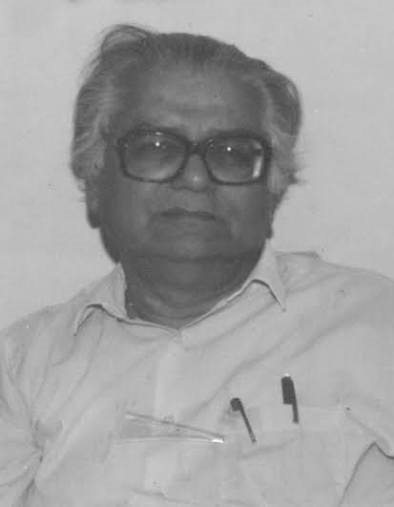
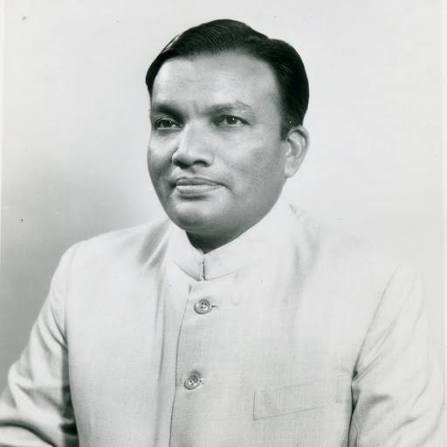
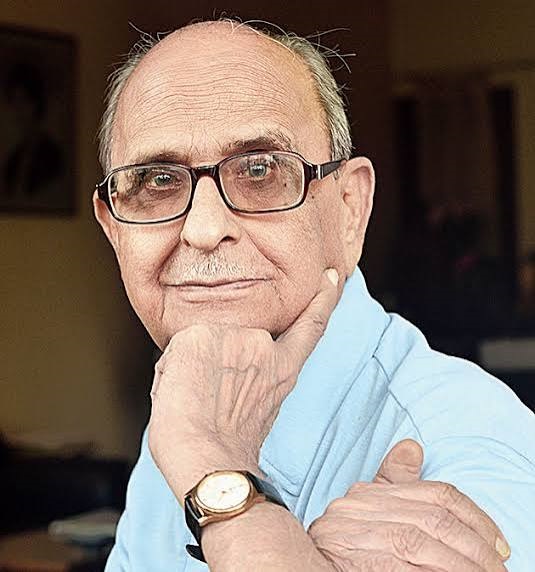
Dr. V. S. R. Arunachalam (1935–2023) was a legendary Indian scientist, strategic thinker, and institutional builder who fundamentally transformed India’s defense research and technology framework. As the long-serving Scientific Adviser to the Defence Minister and Director General of the Defence Research and Development Organisation (DRDO), he championed indigenous technological self-reliance (Atma Nirbhar Bharat) long before it became a modern national catchphrase.
2. Quick Facts
- Full Name: Vallampadugai Srinivasa Raghavan Arunachalam
- Native Name: ವಲ್ಲಂಪಡುಗೈ ಶ್ರೀನಿವಾಸ ರಾಘವನ್ ಅರುಣಾಚಲಂ
- Date of Birth: November 10, 1935
- Place of Birth: India
- Nationality: Indian
- Occupation/Profession: Scientist, Metallurgist, Strategic Policy Advisor, and Think-Tank Founder
- Field of Achievement: Materials Science, Engineering, and Defence Research Management
- Years Active: 1950s–2023
3. Award Information (Padma Bhushan)
- Award Name: Padma Bhushan
- Award Category: Civilian Award (India’s third-highest civilian honor)
- Award Year: 1985
- Presented By: Government of India
- Date of Ceremony: Republic Day, 1985
- Citation/Official Reason: For distinguished services and exceptional contributions to science, engineering, and national defense technology.
- Previous Recipients: Prominent scientists, educationists, and public servants of prior years.
- Next Recipients: Subsequent cohorts of the 1985/1986 Padma awardees.
4. Why They Received the Award
Dr. Arunachalam was honored with the Padma Bhushan for his pioneering stewardship of Indian defense research. During his decade-long leadership at the helm of DRDO, he successfully restructured military R&D, initiated mega-scale defense projects like the Light Combat Aircraft (LCA Tejas) and the Integrated Guided Missile Development Programme (IGMDP), and provided critical scientific advice to multiple Prime Ministers.
5. Early Life
Born on November 10, 1935, Dr. Arunachalam grew up during a period of intense national transformation. Gifted with an inquisitive mind from an early age, he developed a deep passion for the physical sciences, drawing inspiration from India’s post-independence push toward scientific industrialization.
6. Education
- Undergraduate & Postgraduate Studies: Earned his Bachelor’s and Master’s degrees in Science, studying at institutions including Sharada Vilas College, Mysuru.
- Doctorate (Ph.D.): Received his Ph.D. in Materials Science and Engineering from the University of Wales, UK, in 1965.
7. Career Journey
- Early Research: Worked as a scientist at premier laboratories including the Bhabha Atomic Research Centre (BARC), the National Aeronautical Laboratory (NAL) in Bengaluru, and the Defence Metallurgical Research Laboratory (DMRL) in Hyderabad.
- DRDO Leadership: Served as the Director General of the Defence Research and Development Organisation (DRDO) and Scientific Adviser to the Defence Minister from 1982 to 1992, working under ten defense ministers and five prime ministers.
- Global Academia & Think Tanks: Served as a collaborating professor at Carnegie Mellon University, USA, an honorary professor at the University of Warwick, UK, and founded the Center for Study of Science, Technology and Policy (CSTEP) in 2005.
8. Major Achievements
- Shanti Swarup Bhatnagar Prize (1980): Awarded India’s highest science prize in the Engineering Sciences category.
- Global Fellowship Milestone: Became the first Indian to be elected as a Fellow of the Royal Academy of Engineering, UK.
- Padma Vibhushan (1990): Conferred India’s second-highest civilian honor shortly after completing his monumental tenure at DRDO.
9. Contribution to the Nation
Dr. Arunachalam reshaped India’s security architecture by moving the country away from absolute dependence on foreign military hardware. Under his guidance, DRDO’s budget grew significantly, allowing him to bypass bureaucratic logjams and launch monumental projects like the Tejas fighter jet and indigenous missile systems. He also advised national policymakers on critical societal fronts, including optical fiber communications, rural technology deployment, and steel technology advancements.
10. Other Awards and Honours
- Padma Vibhushan (1990)
- Padma Bhushan (1985)
- Shanti Swarup Bhatnagar Prize (1980)
- DRDO Lifetime Achievement Award (2015)
- Fellow of the Indian National Science Academy (INSA), Indian Academy of Sciences (IAS), and Indian National Academy of Engineering (INAE).
11. Legacy and Influence
Dr. Arunachalam’s legacy is deeply embedded in India’s modern defense-industrial complex. By institutionalizing structured long-term planning and insisting on indigenous design for complex weapons systems, he laid the groundwork for contemporary defense manufacturing. Furthermore, through CSTEP, he left behind a robust public policy think tank guiding sustainable and secure developmental tracks for India.
12. Interesting Facts
- Unprecedented Access: He holds the unique administrative distinction of serving as the chief scientific advisor across changes in political leadership, advising five different Prime Ministers of India.
- Materials Science Roots: Despite managing massive defense portfolios, his heart always remained with metallurgy; he believed that materials science was the hidden “soulmate” of engineering design.
13. Quotes
“Materials and engineering are soulmates. Materials transform designs and enable technology to cross boundaries that were once thought impossible.” — Dr. V. S. R. Arunachalam
14. Timeline
- 1935: Born on November 10 in India
- 1965: Completes his Ph.D. in Materials Science from the University of Wales
- 1980: Receives the prestigious Shanti Swarup Bhatnagar Prize
- 1982: Appointed as Scientific Adviser to the Defence Minister and Director General of DRDO
- 1985: Conferred the Padma Bhushan by the Government of India
- 1990: Awarded the Padma Vibhushan
- 2005: Founds the science and technology think tank CSTEP
- 2023: Passed away on August 16 in California, USA, at the age of 87
15. References
- Wikipedia: V. S. R. Arunachalam
- Center for Study of Science, Technology and Policy (CSTEP) – Archives & Biographies
- Ministry of Home Affairs, Government of India – Padma Awards Directory
- Shanti Swarup Bhatnagar Prize Official Portal
16. Related Personalities
- Raja Ramanna (Renowned Indian physicist and predecessor as DRDO Chief)
- A. P. J. Abdul Kalam (Visionary scientist and architect of India’s missile programs who worked closely alongside him)
- Ratan Tata (Industrialist and collaborative voice on Indian technology expansion)
17. Frequently Asked Questions (FAQ)
- Q: What was Dr. V. S. R. Arunachalam best known for?A: He is best known for serving as the head of the DRDO and Scientific Adviser to the Defence Minister during the 1980s, where he jumpstarted indigenous projects like the LCA Tejas and missile development programs.
- Q: When did he receive the Padma Bhushan and Padma Vibhushan?A: He received the Padma Bhushan in 1985 and was later honored with the Padma Vibhushan in 1990.
- Q: What is CSTEP?A: CSTEP (Center for Study of Science, Technology and Policy) is a prominent Indian research-backed think tank founded by Dr. Arunachalam in 2005 to steer policy using science and technology.
About the Author