1. Introduction
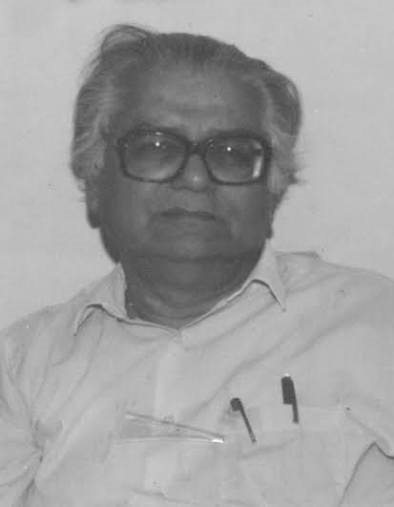
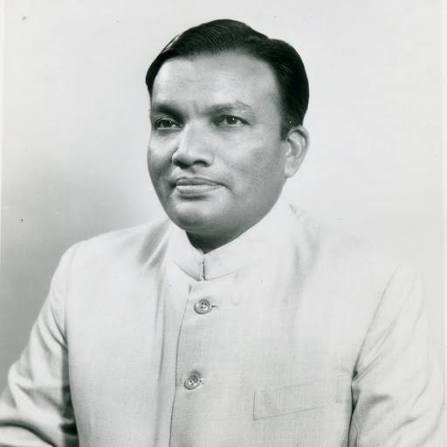
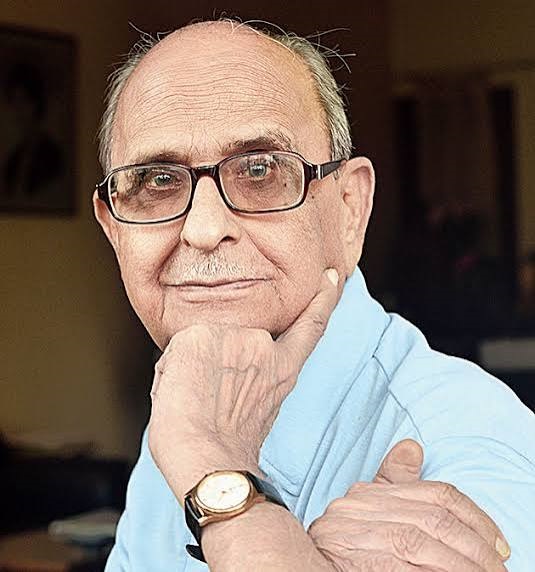
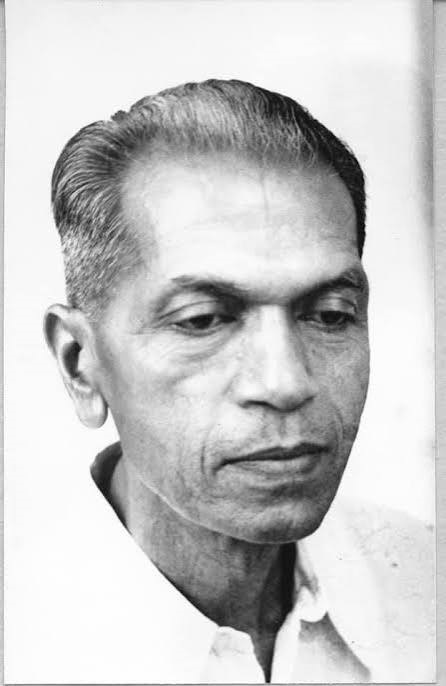
Tribhuvandas Purushottamdas Luhar (1908–1991), widely recognized by his pen name Sundaram, was a titan of modern Gujarati literature. A versatile writer, poet, short story writer, literary critic, and translator, his literary journey mirrored the sociopolitical and spiritual transformations of 20th-century India. Moving seamlessly from Gandhian nationalism and progressive social realism to the spiritual philosophy of Sri Aurobindo, Sundaram enriched Indian letters with profound emotional depth, aesthetic beauty, and intellectual rigor.
2. Quick Facts
- Full Name: Tribhuvandas Purushottamdas Luhar
- Native Name: ત્રિભુવનદાસ પુરુષોત્તમદાસ લુહાર (Gujarati)
- Date of Birth: March 22, 1908
- Place of Birth: Miyan Matar, Bharuch district, Bombay Presidency, British India
- Nationality: Indian
- Occupation / Profession: Poet, Short Story Writer, Literary Critic, Essayist, Translator
- Field of Achievement: Gujarati Literature, Poetry, and Cultural Criticism
- Years Active: 1926–1991
3. Award Information
- Award Name: Padma Bhushan
- Award Category: Civilian Award (Third Highest Civilian Award in India)
- Award Year: 1985
- Presented By: Government of India (Presented by President Giani Zail Singh)
- Date of Ceremony: March 16, 1985
- Citation / Official Reason: Recognized for his exceptional and distinguished contributions to literature and education.
- Previous Recipients: Notable stalwarts across arts, sciences, and public service.
- Next Recipients: Subsequent annual civilian honorees.
4. Why They Receive the Award
Sundaram was awarded the Padma Bhushan for his lifelong, monumental contribution to Gujarati literature and Indian cultural consciousness. Through timeless poetry collections like Kavyamangala and Yatra, critical masterpieces like Arvachin Kavita, and his dedicated propagation of humanistic and spiritual values, he permanently elevated the standard of regional and national literature.
5. Early Life
Born on March 22, 1908, in Miyanmatar village in the Bharuch district of Gujarat to Purushottamdas Keshavdas Luhar and Ujamben, Sundaram grew up during the height of the Indian independence movement. Deeply impacted by the sociopolitical environment of British India, his early life fostered a strong sense of nationalism, empathy for the marginalized, and a deep appreciation for the Gujarati language.
6. Education
- Primary Studies: Completed at local schools in Matar and Amod, Gujarat.
- Secondary Education: Studied at Chhotubhai Purani’s Rashtriya New English School in Bharuch, an institution heavily inspired by national education ideals.
- Higher Education: Graduated in languages from the nationalist institution Gujarat Vidyapith, Ahmedabad, in 1929, which was founded by Mahatma Gandhi.
7. Carrier Journey
- Teaching & Activism: Began his career teaching at the Gurukul in Songadh. He actively participated in the Indian independence movement, facing imprisonment for his nationalist stance.
- Social Reform Work: Collaborated closely with Jyotisangh—a prominent women’s welfare organization in Ahmedabad—from 1935 to 1945, focusing on societal upliftment and women’s empowerment.
- Ashram Life: Introduced to the teachings of Sri Aurobindo in 1945, he permanently relocated to the Sri Aurobindo Ashram in Pondicherry, where he spent his later decades editing spiritual journals like Dakshina and Baldakshina.
- Literary Leadership: Presided over the prestigious Gujarati Sahitya Parishad in 1970.
8. Major Achievements
- Landmark Poetry: Published seminal poetry volumes, starting with Koya Bhagatni Kadvi Vaani ane Garibo na Geeto (1933) and Kavyamangala (1933), followed by the Aurobindo-inspired spiritual epic Yatra (1951).
- Critical Mastery: Wrote Arvachin Kavita (1946), a benchmark historical-critical study of modern Gujarati poetry from 1845 to 1945.
- Prolific Short Stories: Authored poignant short fiction under the pen name ‘Trishul’ (such as Piyasi and Unnayan).
9. Contribution to the Nation
Sundaram bridged the gap between fierce national freedom struggles and higher spiritual evolution. Through his writings, he gave voice to the poor, championed gender equality, and later infused Indian literature with the cosmic, evolutionary philosophy of Sri Aurobindo. His work served as an ethical and cultural compass for generations of Gujaratis globally.
10. Other Awards and Honours
- Ranjitram Suvarna Chandrak (1934): The highest literary award in Gujarati literature, given for Kavyamangala.
- Mahida Prize (1946): For literary criticism (Arvachin Kavita).
- Narmad Suvarna Chandrak (1955): For his poetry collection Yatra.
- Sahitya Akademi Award (1968): Awarded for his critical study Avalokana.
- Honorary D.Litt (1975): Conferred by Sardar Patel University.
- Shri Narasinh Mehta Award (1990): By the Government of Gujarat.
11. Legacy and Influence
Sundaram remains a revered icon in Gujarati literature. His pseudonym, meaning “Beautiful,” reflected both his physical grace and the lyrical purity of his stanzas. He successfully transitioned Gujarati poetry away from romantic imitation toward social realism, psychological depth, and ultimately, spiritual transformation. Landmarks and academic tributes across Gujarat continue to celebrate his enduring footprint.
12. Interesting Facts
- Multiple Pen Names: Before adopting ‘Sundaram’ permanently in 1928 (coined during the publication of his poem Bardoline), he wrote under pseudonyms like ‘Marichi’, ‘Ekansh De’, ‘Vishwakarma’, and used ‘Trishul’ for his short stories.
- Spiritual Shift: His evolution from a fiery communist-leaning progressive writer to a serene spiritual seeker under Sri Aurobindo remains one of the most fascinating intellectual arcs in Indian literary history.
- Eminent Associations: As a resident of the Sri Aurobindo Ashram, he interacted closely with prominent literary and spiritual figures of twentieth-century India.
13. Quotes
“Poetry is not merely an ornamentation of words; it is the rhythmic vibration of the soul catching glimpses of the ultimate truth and beauty.” — Sundaram (Reflecting his poetic philosophy)
14. Timeline
- 1908: Born on March 22 in Miyan Matar, Gujarat.
- 1929: Graduates from Gujarat Vidyapith, Ahmedabad.
- 1933: Publishes his groundbreaking poetry collections Koya Bhagatni Kadvi Vaani and Kavyamangala.
- 1934: Receives the prestigious Ranjitram Suvarna Chandrak.
- 1946: Publishes Arvachin Kavita, winning the Mahida Prize.
- 1945–1947: Moves to Sri Aurobindo Ashram, Pondicherry; launches Dakshina magazine.
- 1968: Awarded the Sahitya Akademi Award for Avalokana.
- 1970: Presides over the Gujarati Sahitya Parishad.
- 1985: Conferred the Padma Bhushan by President Giani Zail Singh.
- 1991: Passes away on January 13 at the age of 82.
15. References
- Wikipedia contributors. Sundaram (writer). Wikipedia, The Free Encyclopedia.
- Overman Foundation Archives. One Hundred Photographs of Sundaram & Biographical Sketches.
- Sahitya Akademi. The Encyclopaedia of Indian Literature.
16. Related Personalities
- Sri Aurobindo: Spiritual master whose philosophy profoundly shaped Sundaram’s later life and poetic output.
- Mahatma Gandhi: Influenced his nationalistic education at Gujarat Vidyapith and early civic outlook.
- Umashankar Joshi: Eminent Gujarati contemporary writer and literary companion.
17. Frequently Asked Questions (FAQ)
- Q: Who was Sundaram?
- A: Sundaram was the pen name of Tribhuvandas Purushottamdas Luhar, a legendary Gujarati poet, short story writer, and literary critic.
- Q: What are his most famous literary works?
- A: His notable works include the poetry collections Kavyamangala and Yatra, and the critical text Arvachin Kavita.
- Q: When was he awarded the Padma Bhushan?
- A: He received the Padma Bhushan in 1985 for his invaluable contributions to literature and education.
About the Author