1. Introduction
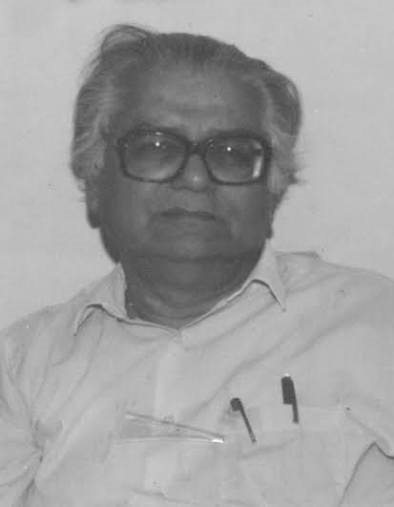
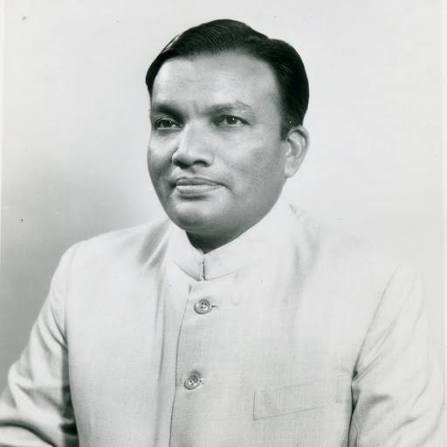
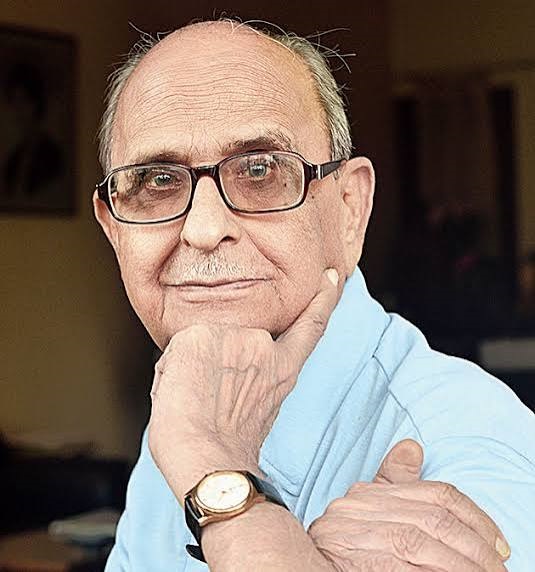
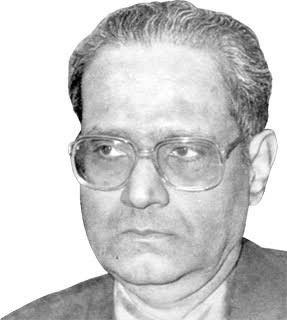
Professor Kotta Satchidananda Murty (1924–2011) was an internationally acclaimed Indian philosopher, educationist, and prolific writer. Widely regarded as one of the most prominent twentieth-century thinkers of India, he made pioneering contributions to metaphysics, the philosophy of religion, Buddhist studies, and Advaita Vedanta. Beyond academia, he played a massive role as a visionary policy-maker, shaping the administrative and structural landscape of Indian higher education.
2. Quick Facts
- Full Name: Kotta Satchidananda Murty
- Native Name: కొత్త సచ్చిదానందమూర్తి (Telugu)
- Date of Birth: 25 September 1924
- Place of Birth: Sangam Jagarlamudi, near Tenali, Guntur District, Andhra Pradesh, India
- Nationality: Indian
- Occupation/Profession: Philosopher, University Professor, Author, and Administrator
- Field of Achievement: Philosophy, Comparative Religion, Higher Education Administration
- Years Active: 1940s–2011
3. Award Information (Padma Bhushan)
- Award Name: Padma Bhushan
- Award Category: India’s Third-Highest Civilian Honour
- Award Year: 1984
- Presented By: The President of India
- Date of Ceremony: 1984 (Republic Day honors cycle)
- Citation/Official Reason: In recognition of his distinguished services, stellar academic leadership, and profound contributions to literature and education.
- Previous Recipients: Eminent scholars, intellectuals, and public figures from the preceding honors batch.
- Next Recipients: Notable national achievers from the subsequent honors list.
4. Why They Received the Award
Professor Satchidananda Murty received the Padma Bhushan for his outstanding lifetime dedication to philosophical scholarship and higher education administration in India. By putting Indian philosophy on the global academic map through international lectures, books, and bridge-building between Eastern and Western thought, he elevated the country’s intellectual prestige.
5. Early Life
Born on September 25, 1924, into an aristocratic agricultural family in Sangam Jagarlamudi (Andhra Pradesh) to Kotta Veerabhadraiah and Ratnamamba, Murty displayed prodigious intellectual capability from a remarkably young age. Famously, his intellectual brilliance manifested early when he wrote a commentary on the Bhagavad Gita in his mother tongue, Telugu, at just thirteen years of age.
6. Education
- Schooling: Completed his primary and secondary school education locally in his native village.
- Intermediate Studies: Hindu College, Guntur.
- Higher Education: Graduated from Andhra University, Visakhapatnam, where he later pursued his doctoral research, submitting a classic thesis titled Revelation and Reason in Advaita Vedanta.
7. Career Journey
- Academic Posts: Served as Professor and Head of the Department of Philosophy at Andhra University. He also taught internationally as a visiting professor at prestigious institutions including Princeton University (USA) and People’s University (Beijing, China).
- Administrative Leadership:
- Vice-Chancellor of Sri Venkateswara University, Tirupati (1975–1979).
- Vice-Chancellor of the Central Institute of Tibetan Studies, Sarnath (1989).
- Vice-Chairman of the University Grants Commission (UGC), New Delhi (1986–1989).
8. Major Achievements
- Global Scholarly Engagement: Delivered prestigious lecture series across Oxford, London, and multiple major American and Asian universities.
- Prolific Author: Authored over 30 authoritative books in English, Telugu, and Hindi, including classics like Metaphysics, Man and Freedom, The Realm of Between, and Radhakrishnan: His Life and Ideas.
- International Doctorates: Conferred honorary doctorates by world-renowned institutions like Beijing University (1988) and the Russian Academy of Sciences (1989).
9. Contribution to the Nation
Murty transformed India’s higher education policy framework during his tenure at the UGC, driving value-based educational reforms. He also made monumental contributions to the philosophy of peace, advocating for coexistence and harmony in a world torn apart by conflicts, while deepening indigenous research into Buddhism, the Vedas, and Advaita Vedanta.
10. Other Awards and Honours
- Padma Bhushan (1984): Conferred by the Government of India.
- Padma Vibhushan (2001): India’s second-highest civilian honor, recognizing his lifelong service.
- B.C. Roy National Award (1984).
- General President: Indian Philosophical Congress.
11. Legacy and Influence
Professor Murty is celebrated as an iconoclastic intellectual titan who successfully revived serious interest in metaphysics and the philosophy of religion within India. His comparative studies bridging Far Eastern philosophies (particularly Chinese and Japanese thought) with Indian traditions brought Asian philosophy closer together globally.
12. Interesting Facts
- Child Prodigy: He composed a full philosophical commentary on the Bhagavad Gita in Telugu at the tender age of 13.
- Global Acclaim Without Leaving Roots: Despite receiving global invitations to teach at elite universities like Princeton, he remained deeply anchored to Indian academic soil, choosing to build national institutions from within.
- Double Civilian Laureate: He is one of the rare personalities to have been honored with both the Padma Bhushan (1984) and the Padma Vibhushan (2001).
13. Quotes
“Philosophy is not merely an intellectual exercise or abstract word-play; it is the critical quest for freedom, truth, and the ultimate meaning of human existence.” — (Reflecting his core philosophical perspective)
14. Timeline
- 1924: Born on September 25 in Sangam Jagarlamudi, Andhra Pradesh
- 1959–1960: Taught as visiting professor at Princeton University
- 1975–1979: Served as Vice-Chancellor of Sri Venkateswara University, Tirupati
- 1984: Conferred the Padma Bhushan by the Government of India
- 1986–1989: Served as Vice-Chairman of the University Grants Commission (UGC)
- 2001: Awarded India’s second-highest civilian honor, the Padma Vibhushan
- 2011: Passed away on January 25 at the age of 86
15. References
- Wikipedia contributors. “K. Satchidananda Murty.” Wikipedia, The Free Encyclopedia.
- Ministry of Home Affairs, Government of India. Padma Awards Directory.
- Indian Council of Philosophical Research (ICPR). The Philosophy of K. Satchidananda Murty.
16. Related Personalities
- Sarvepalli Radhakrishnan (Philosopher-statesman whose life and intellectual works Murty extensively documented and analyzed)
- Nagarjuna (Ancient Buddhist philosopher whose Madhyamaka/Mahayana teachings Murty famously studied and critiqued)
- Sibajiban Bhattacharyya (Renowned contemporary Indian philosopher who collaborated on studies regarding Murty’s philosophy)
17. Frequently Asked Questions (FAQ)
- Q: Who was K. Satchidananda Murty?A: He was a globally renowned Indian philosopher, author, and academic administrator who served as Vice-Chancellor of SV University and Vice-Chairman of the UGC.
- Q: What were his primary fields of study?A: He specialized in Indian philosophy, Advaita Vedanta, Buddhist thought, comparative religion, and the philosophy of peace.
- Q: What major national honors did he receive?A: He was honored with the Padma Bhushan in 1984 and the Padma Vibhushan in 2001 by the Government of India
About the Author