1. Introduction
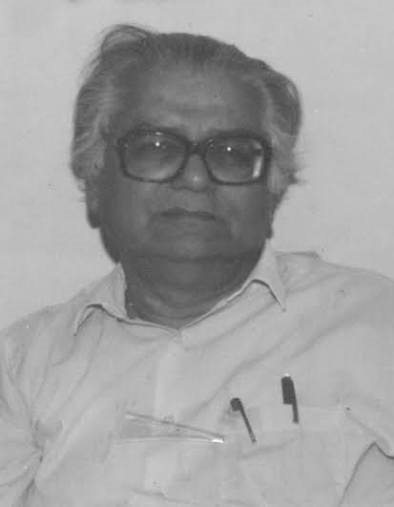
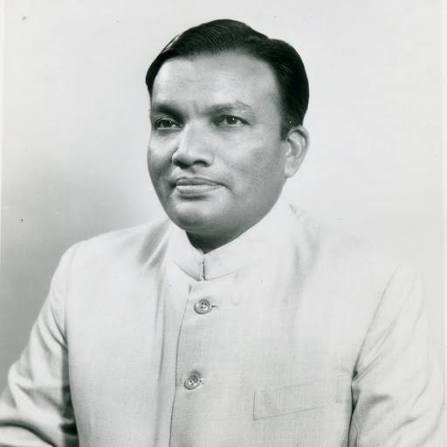
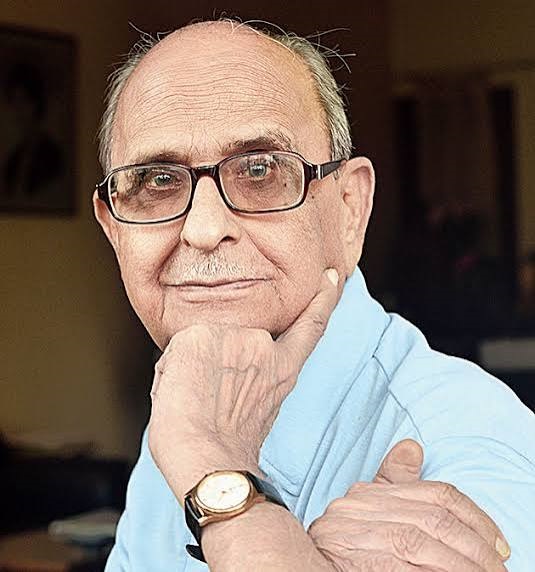
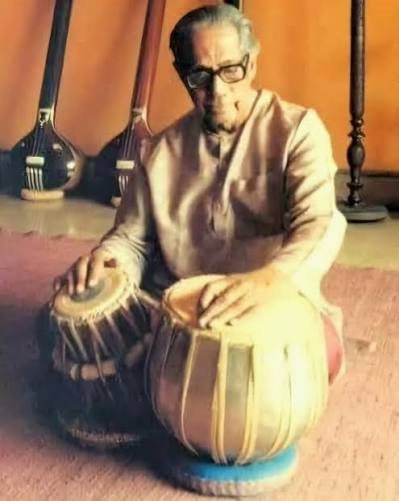
Pandit Jnan Prakash Ghosh (1909–1997), widely revered as “Guru” Jnan Prakash Ghosh, was a legendary multi-instrumentalist, composer, musicologist, and one of the absolute pillars of Hindustani classical music. Hailing from Kolkata, he was a rare creative genius who mastered both the tabla and the harmonium, shaped generations of master musicians, and seamlessly blended traditional classical forms with contemporary and orchestral arrangements.
2. Quick Facts
- Full Name: Jnan Prakash Ghosh
- Native Name: জ্ঞান প্রকাশ ঘোষ (Bengali)
- Date of Birth: 8 May 1909
- Place of Birth: Kolkata, West Bengal, British India
- Nationality: Indian
- Occupation/Profession: Musician, Tabla and Harmonium Player, Composer, Musicologist, and Educator
- Field of Achievement: Hindustani Classical Music and Percussion
- Years Active: 1930s–1997
3. Award Information (Padma Bhushan)
- Award Name: Padma Bhushan
- Award Category: India’s Third-Highest Civilian Honour
- Award Year: 1984
- Presented By: The President of India
- Date of Ceremony: 1984 (Republic Day honors cycle)
- Citation/Official Reason: Awarded in recognition of his distinguished service and profound contributions to the field of art, music, and musicology.
- Previous Recipients: Eminent artists, scientists, and public figures from the 1983 honors list.
- Next Recipients: Notable civilian achievers from the 1985 honors list.
4. Why They Receive the Award
Pandit Jnan Prakash Ghosh was awarded the Padma Bhushan for his matchless, lifelong service to Indian classical music. As an innovator who expanded the vocabulary of tabla gharanas, an institutional builder who nurtured top-tier talent, and a maestro who took Indian percussion global through projects like The Drums of India, his contributions transformed the landscape of Indian classical arts.
5. Early Life
Born on May 8, 1909, into a culturally rich family in Kolkata, music was embedded in his lineage. He was the grandson of Dwarkanath Ghosh, the legendary instrument maker who founded Dwarkin in 1875 and invented the modern hand-pumped harmonium. In his youth, Jnan Prakash was heavily inclined toward sports (playing soccer, hockey, polo, and billiards) and painting. However, an unfortunate eye injury during a soccer match forced him to give up painting and sports, steering his intense focus entirely toward music.
6. Education
- Schooling & Graduation: Completed his education in Kolkata, graduating from the prestigious Scottish Church College (University of Calcutta).
- Musical Apprenticeship:
- Trained in vocal music under Girija Shankar, Mohammed Sagir Khan, and Mohammed Dabir Khan.
- Studied tabla under Ustad Masit Khan of the Farrukhabad gharana, becoming his senior disciple.
- Later expanded his repertoire by studying under Ustad Feroz Khan of the Punjab gharana, introducing rare Punjabi compositions to eastern India.
7. Carrier Journey
- All India Radio (AIR): Served for 15 years as a music producer at AIR, creating diverse compositions spanning classical, light, modern, orchestral, choral, and percussion styles.
- Film Scoring: Composed music for several acclaimed Bengali films, including Jadubhatta, Andhare Alo, and Rajlakshmi o Srikanta (1958).
- Academies & Mentorship: Founded the Sourav Academy of Music and maintained a close, influential association with the ITC Sangeet Research Academy (SRA) in Kolkata.
- Global Collaborations: Produced landmark cross-cultural and classical recordings, including the famous Drums of India albums.
8. Major Achievements
- Sangeet Natak Akademi Fellowship (1974): Received the highest honor conferred by India’s National Academy of Music, Dance & Drama.
- The “Chaturang” Innovation: Created path-breaking multi-form compositions like Chaturang, combining tabla, pakhawaj, kathak rhythm, and tarana.
- International Film Score: Composed music for the Academy Award-nominated animated short film Bead Game (directed by Ishu Patel for the National Film Board of Canada).
9. Contribution to the Nation
Pandit Ghosh single-handedly bridged historical gharana divides by mastering multiple traditions and synthesizing them into a cohesive teaching framework. His historic residence at 25 Dixon Lane in Kolkata served as an open sanctuary where legends like Bade Ghulam Ali Khan performed and young students found free lodging and rigorous training, preserving the soul of Indian classical music for future generations.
10. Other Awards and Honours
- Sangeet Natak Akademi Fellowship (Ratna Sadashaya) – 1974
- Padma Bhushan – 1984
- ITC Sangeet Sammelan Awards and numerous state-level felicitations for lifetime achievement in musicology.
11. Legacy and Influence
Famously called “Guru-ji”, Jnan Prakash Ghosh is widely acknowledged as a “guru maker.” His disciples read like a who’s who of Indian classical music. His pedagogical methods revolutionized how percussion and vocal dynamics were understood, prioritizing conceptual depth over mechanical practice.
12. Interesting Facts
- The Harmonium Connection: He was the direct grandson of Dwarkanath Ghosh, the man who invented the popular Indian hand-harmonium (Dwarkin).
- A Multi-Dispassionate Athlete: Before his music career took over, he was an exceptional multi-sport athlete who played competitive polo, hockey, and billiards.
- The Dixon Lane Hub: His home was an open informal institution; visiting maestros from across India stayed at his house during concerts in Kolkata, turning his residence into a legendary cultural salon.
13. Quotes
“True musical knowledge (Jnan) is not merely about technical perfection, but about letting the soul illuminate the path of sound.” — (Reflecting his musical philosophy)
14. Timeline
- 1909: Born on May 8 in Kolkata
- 1920s–30s: Completed education at Scottish Church College and underwent rigorous musical training under Farrukhabad and Punjab gharana masters
- 1950s: Composed music for notable Bengali films like Rajlakshmi o Srikanta
- 1968: Released the landmark international percussion record Drums of India, Vol. 1
- 1974: Awarded the Sangeet Natak Akademi Fellowship
- 1984: Conferred the Padma Bhushan by the Government of India
- 1997: Passed away on February 18 at the age of 87
15. References
- Wikipedia contributors. “Jnan Prakash Ghosh.” Wikipedia, The Free Encyclopedia.
- Ministry of Home Affairs, Government of India. Padma Awards Directory.
- Sangeet Natak Akademi. List of Akademi Fellows.
16. Related Personalities
- Dwarkanath Ghosh (His grandfather and inventor of the Dwarkin harmonium)
- Anindo Chatterjee & Shankar Ghosh (Renowned tabla maestros and direct disciples)
- Ajoy Chakrabarty (Celebrated classical vocalist and prominent student)
17. Frequency Asked Questions (FAQ)
- Q: Who was Jnan Prakash Ghosh?A: He was a legendary Indian musicologist, composer, and master of both the tabla and harmonium, widely regarded as one of the greatest gurus of Hindustani classical music.
- Q: What was his relation to the harmonium?A: He was the grandson of Dwarkanath Ghosh, the inventor of the famous Dwarkin hand-pumped harmonium.
- Q: When did he receive the Padma Bhushan?A: He was honored with the Padma Bhushan in 1984.
About the Author