1. Introduction
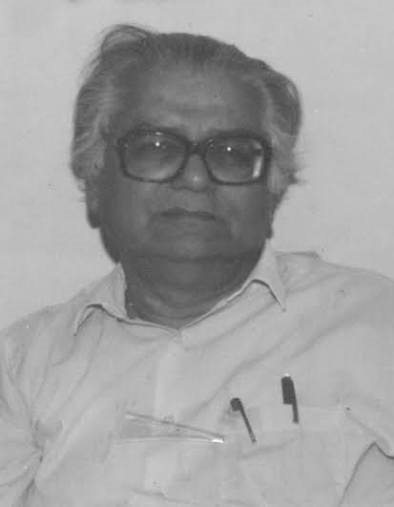
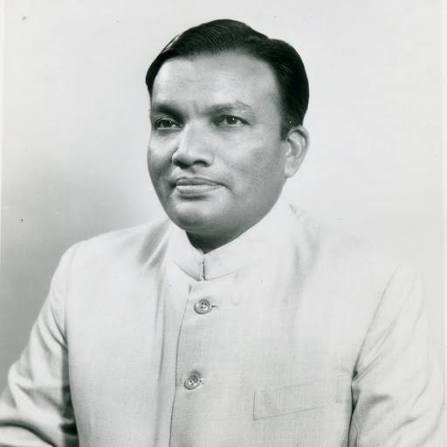
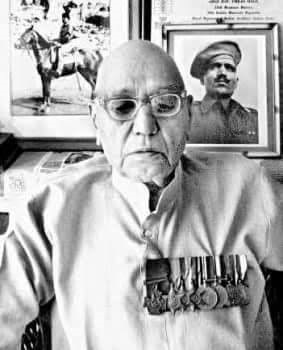
Captain Umrao Singh (1920–2005) was an iconic Indian soldier, war hero, and recipient of the Victoria Cross—the highest and most prestigious award for gallantry in the face of the enemy given to British and Commonwealth forces. As a Havildar during the ferocious Burma Campaign of World War II, his legendary defense of an advanced artillery position against overwhelming Japanese infantry assaults stands as one of the most astonishing displays of raw courage and unyielding resolve in military history.
2. Quick Facts
- Full Name: Umrao Singh Yadav
- Native Name: उमराव सिंह यादव (Hindi)
- Date of Birth: 21 November 1920
- Place of Birth: Palra Village, Jhajjar tehsil, Rohtak district, Punjab (present-day Haryana), British India
- Nationality: Indian
- Occupation/Profession: Military Officer (Captain, Indian Army) and Farmer
- Field of Achievement: Military Gallantry, Defense, and National Service
- Years Active: 1939–1946; 1948–1970 (Rejoined post-independence)
3. Award Information (Padma Bhushan)
- Award Name: Padma Bhushan
- Award Category: India’s Third-Highest Civilian Honour
- Award Year: 1983
- Presented By: The President of India
- Date of Ceremony: 1983 (Republic Day honors cycle)
- Citation/Official Reason: Awarded in recognition of his distinguished lifelong service to the nation and his exceptional military contributions.
- Previous Recipients: Eminent civil servants, military personnel, and public figures from preceding honor lists.
- Next Recipients: Notable national achievers from subsequent honor lists.
4. Why They Received the Award
While globally famous for earning the Victoria Cross (presented by King George VI at Buckingham Palace on 15 October 1945) for his incredible bravery in the Kaladan Valley, he was later honored with the Padma Bhushan by the Indian government in 1983 to recognize his enduring dedication, patriotism, and legendary status as one of India’s most distinguished military veterans.
5. Early Life
Born on 21 November 1920 into a modest Hindu Jat farming family in the rural village of Palra (Haryana), Umrao Singh grew up surrounded by an agrarian environment. Raised by his father, Mohar Singh Yadav, and mother, Darkaan Devi, his early years instilled in him deep physical endurance, simplicity, discipline, and a strong sense of duty.
6. Education
- Schooling: Completed his basic education at the local government primary school in Palra.
- Life Academy: Like many young men of his era from farming backgrounds, his true education was grounded in harsh physical labor, rural resilience, and agricultural discipline before he stepped directly into military life at age 19.
7. Career Journey
- Enlistment (1939): Enlisted in the British Indian Army in November 1939, joining the Royal Indian Artillery just as World War II broke out.
- World War II & Victoria Cross Action (1944): Served as a Havildar (Sergeant) with the 33rd Mountain Battery, 30th Mountain Regiment, Indian Artillery, seeing heavy deployment in Burma.
- Post-War & Independence Transition: Demobilized briefly in 1946, he proudly rejoined the newly formed Indian Army in July 1948 following independence.
- Later Military Service: Rose through the ranks to become a Subedar Major in 1965 and ultimately retired as an Honorary Captain on 26 January 1970.
8. Major Achievements
- The Epic Battle of Kaladan Valley (1944): Single-handedly defended his advanced field gun position against waves of Japanese infantry. Despite being severely wounded by grenades, he fired a Bren gun at point-blank range, and when ammunition ran out, used a heavy iron gun-spike (crowbar) to engage in hand-to-hand combat, striking down three enemy soldiers.
- The Last Man Standing: When a counter-attack finally cleared the area six hours later, he was found unconscious beside his gun with seven severe injuries, surrounded by ten dead Japanese soldiers. Remarkably, his gun was brought back into action later that same day.
- Historic Distinction: He remained the only Non-Commissioned Officer (NCO) in both the Royal Artillery and Royal Indian Artillery to win the Victoria Cross during World War II, and was the last surviving Indian recipient of the VC.
9. Contribution to the Nation
Captain Umrao Singh defined the ultimate standard of duty and selflessness. Beyond his wartime heroics, he served independent India for decades, helping transition the military into a modern national defense force. In his later years, he became an advocate for neglected World War II veterans, helping secure better recognition and pensions for former soldiers.
10. Other Awards and Honours
- Victoria Cross (VC) – 1945: Presented personally by King George VI.
- Padma Bhushan – 1983: Conferred by the Government of India.
- Campaign Medals: 1939–45 Star, Africa Star, Burma Star, War Medal 1939–45, India Service Medal 1939–45, Coronation Medal 1953, and Jubilee Medals.
11. Legacy and Influence
Captain Singh chose a remarkably humble post-retirement life, returning to his native village to tend to his small two-acre ancestral farm, living in a simple mud-brick house, riding a bullock cart, and wearing a simple kurta-pyjama. Despite tempting offers from international collectors offering fortunes for his Victoria Cross, he fiercely refused to sell it, stating it belonged to the memory of his fallen comrades. He passed away on his 85th birthday on 21 November 2005 with full military honors.
12. Interesting Facts
- Iron Will, Iron Tool: The heavy iron rod he used as a club during his final hand-to-hand combat in Burma was a standard “gun-bearer” or hand-spike used to manually traverse mountain artillery pieces.
- Refusal of Fortunes: British and international medal collectors approached him with offers running into millions of rupees for his Victoria Cross, but he always replied that selling it would dishonor the blood of the soldiers who died beside him.
- Birth and Departure Coincidence: He remarkably passed away exactly on his 85th birthday on November 21, 2005.
13. Quotes
“My Victoria Cross will be worth it if it inspires valour in the defence of the country.” — (Reflecting his deep sense of national duty and collective sacrifice)
14. Timeline
- 1920: Born on November 21 in Palra village, Haryana
- 1939: Enlisted in the British Indian Artillery in November
- 1944: Fought the legendary action at Kaladan Valley, Burma, on December 15–16
- 1945: Awarded the Victoria Cross by King George VI at Buckingham Palace on October 15
- 1948: Rejoined the independent Indian Army
- 1970: Retired from active service as an Honorary Captain
- 1983: Conferred the Padma Bhushan by the Government of India
- 2005: Passed away on his 85th birthday on November 21 in New Delhi
15. References
- The Tribune India. “Capt Umrao Singh: A WW-II legend of valour.”
- The Guardian. “Umrao Singh, VC Obituary.”
- Memorial Gates Trust. “Umrao Singh Yadav VC Profile.”
16. Related Personalities
- King George VI (British monarch who personally invested him with the Victoria Cross)
- Viscount Slim (Commander of the British 14th Army during the Burma Campaign)
- Other Indian Victoria Cross Recipients (Representing the elite group of 40 Indian soldiers awarded the VC prior to 1947)
17. Frequently Asked Questions (FAQ)
- Q: Who was Captain Umrao Singh?A: He was a legendary Indian Army soldier, World War II veteran, and one of the rare Indian recipients of the Victoria Cross for extreme bravery in combat.
- Q: What heroic act did he perform in Burma?A: During a fierce Japanese infantry assault in the Kaladan Valley in 1944, he single-handedly defended his artillery gun using a Bren gun, grenades, and eventually a heavy iron rod in hand-to-hand combat after his entire detachment was incapacitated.
- Q: When did he receive the Padma Bhushan?A: He was awarded the Padma Bhushan in 1983.
About the Author