1. Introduction
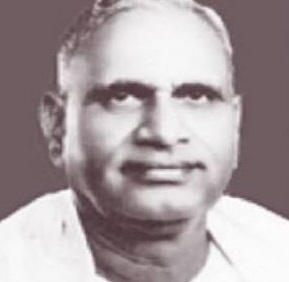
Gottipati Brahmayya (1889–1984), affectionately and respectfully known as “Ryotu Pedda” (The Leader of Farmers), was a monumental figure in India’s freedom struggle and post-independence political landscape. A fierce crusader for peasant rights, social equality, and Gandhian ideals, Brahmayya dedicated his life to uplifting the rural masses, dismantling oppressive zamindari systems, and championing civil liberties in Andhra Pradesh.
2. Quick Facts
- Full Name: Gottipati Brahmayya
- Native Name: గొట్టిపాటి ব্রহ্মయ్య (Telugu)
- Date of Birth: December 3, 1889
- Place of Birth: Ghantasala, Divi Taluka, Krishna District, Andhra Pradesh, British India
- Nationality: Indian
- Occupation/Profession: Freedom Fighter, Politician, Social Reformer, and Cooperative Movement Leader
- Field of Achievement: Agrarian Rights, Indian Independence Movement, and Public Administration
- Years Active: 1910s – 1970s
3. Award Information (Focus: Padma Bhushan)
- Award Name: Padma Bhushan
- Award Category: India’s Third-Highest Civilian Award
- Award Year: 1982
- Presented By: The President of India (at Rashtrapati Bhavan)
- Date of Ceremony: Spring 1982
- Citation/Official Reason: For his distinguished service and lifelong dedication to public affairs, social reform, and the freedom movement.
- Previous Recipients (Contextual): Eminent national leaders, scientists, and nation-builders of the era.
- Next Recipients: Subsequent annual batches of Padma honorees.
4. Why Did He Receive the Award?
Gottipati Brahmayya was honored with the Padma Bhushan for his tireless, multi-decade struggle for India’s freedom and his pioneering leadership of the agrarian and farmer movements. As a key architect of the Zamindari Ryot Movement and a close associate of top national leaders, his life represented unmatched grassroots service, integrity, and sacrifice for the nation.
5. Early Life
Born in December 1889 into an agrarian Kamma family in Ghantasala, Andhra Pradesh, Brahmayya witnessed firsthand the struggles of rural farmers under British rule and feudal landlords. From a young age, he displayed deep social consciousness, organizing public welfare efforts, library networks, and educational drives in his local community long before entering active politics.
6. Education
- Schooling: Received his foundational education at the prominent Noble High School in Machilipatnam.
- Self-Taught Scholar: Beyond formal schooling, Brahmayya was a lifelong learner, deeply read in political philosophy, Gandhian economics, and agrarian reform frameworks.
- Honorary Doctorate: In recognition of his immense literary and cultural contributions later in life, he was conferred with the prestigious “Kalaprapoorna” doctorate by Andhra University.
7. Career Journey
- Early Grassroots Activism (1910s–1920s): Organized library and adult education movements in 1917. Served as President of the District Congress Committee (1922–1923) and founded cooperative societies like the Khadi Consumers’ and Producers’ Society.
- Freedom Struggle Stalwart (1920s–1940s): Spearheaded major anti-colonial boycotts, participated in the Civil Disobedience and Salt Satyagraha campaigns, and suffered multiple imprisonments across British jails.
- Post-Independence Statesman (1950s–1960s): Transitioned into parliamentary and state politics, eventually serving as President of the Andhra Pradesh Congress Committee (APCC) and Chairman of the Andhra Pradesh Legislative Council.
8. Major Achievements
- Pioneering the Ryot Movement: Emerged as one of the chief masterminds of the Zamindari Ryot Movement, successfully fighting against heavy land taxes and feudal exploitation of farmers.
- Social Integration: Led historic campaigns for social justice, famously engineering the temple entry of Dalits/Harijans at Ghantasala in 1933.
- Legislative Leadership: Successfully guided the newly formed Andhra Pradesh Legislative Council as its Chairman from 1964 to 1968, maintaining utmost dignity and parliamentary decorum.
9. Contribution to the Nation
Brahmayya gave up personal comforts to anchor Gandhi’s vision at the grassroots level. By uniting fragmented tenant farmers into an organized political force, he protected rural livelihoods. His multiple stints in British jails (including Rajahmundry, Vellore, Bellary, and Thanjavur prisons) during the 1930 Simon Commission protests and the 1942 Quit India Movement concrete-lined his absolute commitment to a free India.
10. Other Awards and Honours
- Padma Bhushan (1982) – Conferred by the Government of India.
- Kalaprapoorna – Honorary Doctorate awarded by Andhra University for his service to society and literature.
- Ryotu Pedda (Leader of Farmers) – An enduring public title conferred affectionately by the people of Andhra.
11. Legacy and Influence
Gottipati Brahmayya is remembered as the moral compass of peasant politics in Andhra Pradesh. His autobiography, Naa Jeevana Nauka (The Boat of My Life), serialized in the Telugu daily Andhra Jyothi in the late 1970s, remains a foundational historical text chronicling the freedom struggle and the evolution of agrarian politics in South India.
12. Interesting Facts
- Multiple Jailing Terms: Across his lifetime fighting the British Raj, he was imprisoned multiple times in various high-security cells spanning Rajahmundry, Berhampore, Vellore, Bellary, Madras, Cuddalore, and Thanjavur.
- Khadi Movement Champion: Long before independence, he actively promoted self-reliance by serving as the President of the Krishna Khadi Board between 1923 and 1929.
13. Quotes
“True freedom is incomplete until the tiller of the soil and the most vulnerable in society are granted economic justice and human dignity.” — Gottipati Brahmayya (Paraphrased from his public addresses)
14. Timeline
- 1889: Born on December 3 in Ghantasala, Andhra Pradesh.
- 1917: Initiated library and adult education movements.
- 1927: Actively participated in the boycott of the Simon Commission.
- 1933: Spearheaded the historic temple entry movement for Dalits in Ghantasala.
- 1942: Imprisoned for participation in the Quit India Movement.
- 1962: Appointed President of the Andhra Pradesh Congress Committee.
- 1964–1968: Served as Chairman of the Andhra Pradesh Legislative Council.
- 1982: Honored with the Padma Bhushan by the Government of India.
- 1984: Passed away at the age of 94.
15. References
- Wikipedia contributors. Gottipati Brahmayya. Wikipedia, The Free Encyclopedia.
- Stoddart, Brian. Land, Water, Language and Politics in Andhra: Regional Evolution in India Since 1850. Routledge.
- Brahmayya, Gottipati. Naa Jeevana Nauka (Autobiography serialized in Andhra Jyothi).
16. Related Personalities
- Mahatma Gandhi (Whose principles of non-violence and self-reliance guided Brahmayya’s public service)
- Tanguturi Prakasam (Prominent freedom fighter and contemporary leader from Andhra)
- N. G. Ranga (Renowned Indian peasant leader and freedom fighter)
17. Frequently Asked Questions (FAQ)
Q1: Why is Gottipati Brahmayya called “Ryotu Pedda”?
A: He earned the title “Ryotu Pedda” (Leader of Farmers) due to his lifelong, relentless battle defending the rights of tenant farmers and leading the Zamindari Ryot Movement in Andhra.
Q2: When did he receive the Padma Bhushan?
A: He was awarded the Padma Bhushan in 1982 by the Government of India for his public service.
Q3: What was the name of Gottipati Brahmayya’s autobiography?
A: His autobiography is titled Naa Jeevana Nauka (The Boat of My Life), which was published in the Andhra Jyothi newspaper in the late 1970s.
About the Author