1. Introduction
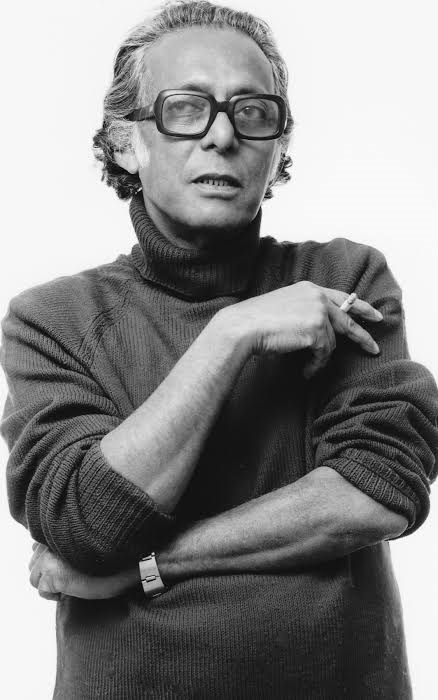
Mrinal Sen (1923–2018) was one of India’s most influential and critically acclaimed film directors, standing alongside Satyajit Ray and Ritwik Ghatak as a pioneer of Indian Parallel Cinema. Known for his fiercely intellectual, Marxist-leaning perspective, Sen used cinema as an active instrument of social critique, political commentary, and psychological exploration. His films broke traditional narrative boundaries, capturing the raw realities of urban middle-class struggles, systemic corruption, and historical upheavals like the Bengal famine.
Wikipedia+ 2
2. Quick Facts
- Full Name: Mrinal Sen
- Native Name: মৃণাল সেন Wikipedia
- Date of birth: May 14, 1923 Wikipedia
- Place Of birth: Faridpur, Bengal Presidency, British India (now in Bangladesh) Wikipedia
- Nationality: Indian Wikipedia
- Occupation/ Profession: Film Director, Screenwriter, and Author Wikipedia
- Field of Achievement: Cinema, Art, and Cultural Criticism
- Years Active: 1955 – 2002 Wikipedia
3. Award Information (Focus: Dadasaheb Phalke Award) English Releases
- Award Name: Dadasaheb Phalke Award
- Award Category: India’s Highest Award in Cinema
- Award Year: 2003 (Presented in 2005) English Releases
- Presented By: Ministry of Information and Broadcasting, Government of India English Releases
- Date of Ceremony: February 2, 2005 (At Vigyan Bhavan, New Delhi) The Times of India
- Citation/Official Reason: For his outstanding lifetime contribution to the growth, development, and artistic standard of Indian cinema. English Releases
- Previous Recipients: Dev Anand (2002) BYJU’S
- Next Recipients: Adoor Gopalakrishnan (2004) BYJU’S
4. Why They Receive the Award
Mrinal Sen received the Dadasaheb Phalke Award in recognition of his decades-long dedication to revolutionary storytelling, his uncompromising artistic vision, and his role in shaping the identity of Indian New Wave cinema globally. His films challenged conventional aesthetics, creating an idiom that mirrored the socio-political conscience of the nation.
5. Early Life
Born in Faridpur (now in Bangladesh), Sen moved to Calcutta (Kolkata) in the 1940s to study physics at the University of Calcutta. During his university years, he became deeply influenced by the cultural wing of the Communist Party of India (the Anti-Fascist Writers’ and Artists’ Association). Though he did not officially join the party, this exposure to Marxist philosophy, street theater, and literature deeply shaped his worldview and laid the foundation for his future artistic ethos.
Wikipedia
6. Education
- Schooling: Completed his early education in Faridpur, British India.
- Higher Education: Studied Physics at Scottish Church College and pursued post-graduation studies in the subject at the University of Calcutta. Wikipedia
- Self-Taught Cinema Scholar: Educated himself extensively on global cinema, sound design, and film theory by reading books at the National Library of India rather than attending a formal film school.
7. Career Journey
- Early Struggles: Worked various odd jobs, including selling medicine and working as an audio technician, before directing his first feature film, Rat Bhore (The Dawn), in 1955.
- Commercial Breakthrough: Achieved nationwide recognition and critical acclaim with his third feature film, Bhuvan Shome (1969), which is widely credited with launching the Indian New Wave/Parallel Cinema movement.
- The Calcutta Trilogy: Directed a series of politically charged urban films in the 1970s (Interview, Calcutta 71, and Padatik) that reflected the turmoil of the Naxalite movement and unemployment in West Bengal.
- Later Years & International Acclaim: Continued to direct critically lauded masterpieces through the 1980s and 1990s, such as Akaler Sandhane, Kharij, and Ek Din Achanak, winning awards at major global film festivals like Cannes, Berlin, and Venice.
8. Major Achievements
- National Film Awards: Won numerous National Awards, including Best Director four times (for Bhuvan Shome, Chorus, Mrigayaa, and Akaler Sandhane). The Times of India
- International Laurels: His films regularly competed at top international film festivals; Kharij (1982) won the Special Jury Prize at the Venice Film Festival.
- Parliamentary Service: Nominated as a Member of Parliament (MP) in the Rajya Sabha (the upper house of the Indian Parliament) from 1997 to 2003. Wikipedia
9. Contribution to the Nation
Mrinal Sen dismantled the formulaic constraints of mainstream commercial cinema, proving that low-budget art films could find both critical acclaim and financial viability. He used his platform to focus national attention on the plight of the rural poor, structural corruption, and the psychological impact of poverty. Furthermore, he mentored and launched the careers of many legendary actors and technicians, including Shabana Azmi, Mithun Chakraborty, and Dhritiman Chatterjee.
10. Other Awards and Honours
- Padma Bhushan (1983) – Conferred by the Government of India
- Commandeur de l’Ordre des Arts et des Lettres (1985) – Conferred by the Government of France Wikipedia
- Order of Friendship (2000) – Conferred by the President of Russia Wikipedia
- Lifetime Achievement Awards at the Cairo, Chicago, and Kerala International Film Festivals.
11. Legacy and Influence
Mrinal Sen remains an immortal figure in world cinema. His experimental techniques—such as jump cuts, mixing documentary footage with fiction, breaking the fourth wall, and open-ended narratives—challenged audiences to think rather than passively consume entertainment. His films serve as an uncompromising historical record of post-independence Indian society.
12. Interesting Facts
- The Accidental Filmmaker: Sen often joked that he entered the film industry by accident after stumbling upon a book on film aesthetics out of sheer boredom, which sparked an obsession.
- Friendship with Ray: Despite creative differences and distinct stylistic approaches, Mrinal Sen shared a lifelong, deep intellectual friendship with Satyajit Ray, often standing by him during personal and professional milestones. The Times of India
- No Script Constraints: He was famous for sometimes arriving on set with only a vague conceptual outline, preferring spontaneous interactions with his actors and real locations to capture authentic performances.
13. Quotes
“I do not want to give answers through my films; I want to provoke questions in the minds of the audience.”
14. Timeline
- 1923: Born on May 14 in Faridpur, Bengal Wikipedia
- 1955: Directs his debut feature film, Rat Bhore
- 1969: Directs Bhuvan Shome, sparking the Indian New Wave Wikipedia
- 1980: Directs the critically acclaimed Akaler Sandhane (In Search of Famine) Wikipedia
- 1983: Awarded the Padma Bhushan by the Government of India The Times of India
- 1997: Nominated to the Rajya Sabha as a Member of Parliament Wikipedia
- 2002: Directs his final feature film, Amar Bhuvan Wikipedia
- 2003: Conferred the Dadasaheb Phalke Award
- 2018: Passes away on December 30 in Kolkata at the age of 95 Wikipedia
15. References
- Wikipedia contributors. Mrinal Sen. Wikipedia, The Free Encyclopedia. Wikipedia
- Press Information Bureau (PIB), Government of India – President gives away 51st National Film Awards (2005). English Releases
- The Hindu & Times of India – Archival Tributes and Photo Essays on Mrinal Sen.
- Official Mrinal Sen Archive and Legacy Portal (mrinalsen.org).
16. Related Personalities
- Satyajit Ray – Legendary contemporary Indian filmmaker and pioneer of world cinema.
- Ritwik Ghatak – Iconic radical filmmaker and contemporary of Sen within the Bengali parallel cinema movement.
- Shabana Azmi – Acclaimed actress who delivered landmark performances in several of Sen’s masterpieces.
17. Frequently Asked Questions (FAQ)
Q: Who was Mrinal Sen?
A: Mrinal Sen was a legendary Indian filmmaker and screenwriter who was a central pillar of India’s Parallel Cinema movement.
Wikipedia
Q: What are some of Mrinal Sen’s most famous movies?
A: His most celebrated films include Bhuvan Shome, Akaler Sandhane, Kharij, Mrigayaa, and Ek Din Pratidin.
GKToday
Q: Did Mrinal Sen win the Dadasaheb Phalke Award?
A: Yes, he was honored with the Dadasaheb Phalke Award, India’s highest cinema honor, for the year 2003.
www.mrinalsen.org
Q: What was his political or ideological stance?
A: He was widely known for his left-leaning, Marxist perspective, which heavily influenced the thematic focus of his social and political films.
The Times of India
About the Author