1. Introduction
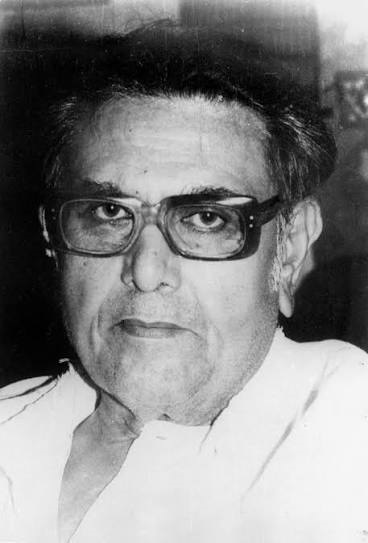
Amritlal Nagar (1916–1990) was one of the most prominent, versatile, and beloved Hindi writers of the twentieth century. Celebrated for his deep psychological insight, rich character development, and mastery over the colloquial nuances of the Ganga-Jamuni culture (particularly of Lucknow), Nagar bridged the gap between classic realism and popular accessibility. Transitioning from journalism and scriptwriting to authoring monumental historical and social novels, he profoundly impacted modern Indian literature.
2. Quick Facts
- Full Name: Amritlal Nagar
- Native Name: अमृतलाल नागर
- Date of birth: August 17, 1916
- Place Of birth: Agra, United Provinces of Agra and Oudh, British India (now Uttar Pradesh, India)
- Nationality: Indian
- Occupation/ Profession: Novelist, Storyteller, Journalist, Playwright, and Scriptwriter
- Field of Achievement: Hindi Literature and Drama
- Years Active: 1928 – 1990
3. Award Information (Focus: Padma Bhushan)
- Award Name: Padma Bhushan
- Award Category: Civil Honour (Third-highest civilian award in India)
- Award Year: 1981
- Presented By: Government of India
- Date of Ceremony: 1981 (Annual Investiture Ceremony, Rashtrapati Bhavan)
- Citation/Official Reason: For exceptional and distinguished service to literature and education.
- Previous Recipients: Notable literary figures, artists, and public servants from preceding years.
- Next Recipients: Notable writers and public intellectuals from subsequent years.
4. Why They Receive the Award
Amritlal Nagar was honored with the Padma Bhushan in recognition of his extensive literary corpus, which profoundly enriched Hindi fiction. Through pathbreaking socio-psychological novels like Boond Aur Samudra and biographical classics like Maanas ka Hans and Khanjan Nayan, he captured the soul of Indian society, history, and cultural heritage with unmatched artistic integrity.
5. Early Life
Born into a Gujarati Nagar Brahmin family in Agra, Nagar spent most of his formative and professional life in Lucknow, a city whose cultural ethos deeply permeated his writings. His introduction to national politics came early: at just 12 years old, he participated in demonstrations against the Simon Commission in 1928 and was injured in a police lathi charge. That same year, he published his very first poem. Growing up amidst stories of the 1857 revolt and the freedom movement, he developed an early affinity for narrative folklore, street theater, and social realism.
6. Education
- Schooling: Completed his primary and secondary education largely through self-study and local tutoring in Lucknow, bypassing conventional rigid schooling systems due to health and financial constraints.
- Literary Training: Educated informally under the guidance of literary stalwarts and through voracious independent reading of classical Sanskrit texts, Urdu poetry, and global realist literature (such as Tolstoy and Maxim Gorky).
7. Career Journey
- Journalism & Early Writing: Began his career as a freelance journalist and writer in the 1930s, closely mentored by literary giants like Munshi Premchand.
- Bombay Film Industry: Worked for about seven years as a scriptwriter and dialogue writer in the Indian film industry during the 1940s, which sharpened his visual sense of storytelling and economy of words.
- Radio & Theater: Served as a drama producer at All India Radio (AIR), Lucknow (1953–1956), and actively led progressive theater movements through the Indian People’s Theatre Association (IPTA).
- Full-Time Freelancing: Choosing literature over secure government employment, he dedicated his life entirely to independent writing from the mid-1950s onward.
8. Major Achievements
- Sahitya Akademi Award (1967): Won the prestigious award for his epic socio-philosophical novel Amrit aur Vish (Nectar and Poison).
- Biographical Masterpieces: Authored Maanas ka Hans (1972)—a legendary biographical novel on the life of Goswami Tulsidas—and Khanjan Nayan (1981), based on the blind poet Surdas.
- Sahitya Akademi Fellowship (1989): Conferred India’s highest literary fellowship for lifetime contribution to letters.
9. Contribution to the Nation
Amritlal Nagar mapped the complex social fabric of modern India, particularly focusing on the urban middle class, the destitute, and historical icons. His writings fostered deep secular harmony, preserving the composite Ganga-Jamuni linguistic and cultural heritage. Additionally, his legal battles in the 1950s against colonial-era restrictions on independent theater performances helped safeguard freedom of expression under Article 19 of the Indian Constitution.
10. Other Awards and Honours
- Sahitya Akademi Award (1967) – For Amrit aur Vish
- Soviet Land Nehru Award (1970)
- Bharat Bharati Puraskar (1985) – The highest literary honor bestowed by the Uttar Pradesh Hindi Sansthan (received in 1989)
- Sahitya Akademi Fellowship (1989)
- Padma Bhushan (1981) – Government of India
11. Legacy and Influence
Nagar is remembered as a “people’s writer” (Janam-kavi/lekhak). He revolutionized Hindi prose by seamlessly blending refined Khadi Boli with everyday Urdu, Awadhi, and colloquial idioms. His novels continue to serve as vital texts for understanding the social transitions of northern India before and after independence.
12. Interesting Facts
- The Domestic Hermit: Despite living in the busy, bustling Chowk area of Lucknow within a large joint family, Nagarji maintained the disciplined focus of a hermit, writing meticulously for hours amidst daily chaos.
- Pioneering Legal Battle: His theatrical production of Premchand’s Eidgaah was prosecuted under an 1876 British law; Nagar fought it successfully until the Supreme Court/High Court struck down the archaic law as unconstitutional in independent India.
- Diverse Pen Names: Early in his career, he wrote humorous columns and satires under various pen names like ‘Chakallas’.
13. Quotes
“Literature is not merely a reflection of society; it is the active conscience that guides society toward humanity and truth.”
14. Timeline
- 1916: Born on August 17 in Agra, Uttar Pradesh
- 1928: Publishes first poem after participating in anti-Simon Commission protests
- 1940s: Works as a scriptwriter in the Bombay film industry
- 1953–1956: Works as a drama producer at All India Radio, Lucknow
- 1957: Publishes his acclaimed sociological novel Boond Aur Samudra
- 1967: Wins the Sahitya Akademi Award for Amrit aur Vish
- 1972: Publishes Maanas ka Hans
- 1981: Conferred the Padma Bhushan by the Government of India
- 1989: Awarded the Sahitya Akademi Fellowship
- 1990: Passes away on February 23 in Lucknow
15. References
- Wikipedia contributors. Amritlal Nagar. Wikipedia, The Free Encyclopedia.
- Swarajya Magazine – Amritlal Nagar At 100: How A Simple Man Used Simple Language.
- Sahitya Akademi Archives – Fellowship and Award Recipient Profiles.
- HarperCollins Publishers India – Author Bio: Amritlal Nagar.
16. Related Personalities
- Munshi Premchand – Legendary pioneer of Hindi-Urdu literature and early mentor to Nagar.
- Goswami Tulsidas – The 16th-century saint-poet whose life inspired Nagar’s masterwork Maanas ka Hans.
- Bhagwati Charan Verma – Eminent contemporary Hindi novelist and peer.
17. Frequently Asked Questions (FAQ)
Q: Who was Amritlal Nagar?
A: Amritlal Nagar was a towering twentieth-century Hindi novelist, dramatist, and journalist known for his realistic portrayal of Indian social life and historical characters.
Q: What are some of his most famous books?
A: His most celebrated works include Boond Aur Samudra, Amrit aur Vish, Maanas ka Hans, and Khanjan Nayan.
Q: Did Amritlal Nagar receive the Padma Bhushan?
A: Yes, he was awarded the Padma Bhushan by the Government of India in 1981.
Q: What literary awards did he win?
A: He won the Sahitya Akademi Award in 1967, the Soviet Land Nehru Award in 1970, the Bharat Bharati Puraskar in 1985, and was made a Sahitya Akademi Fellow in 1989.
About the Author