1. Introduction
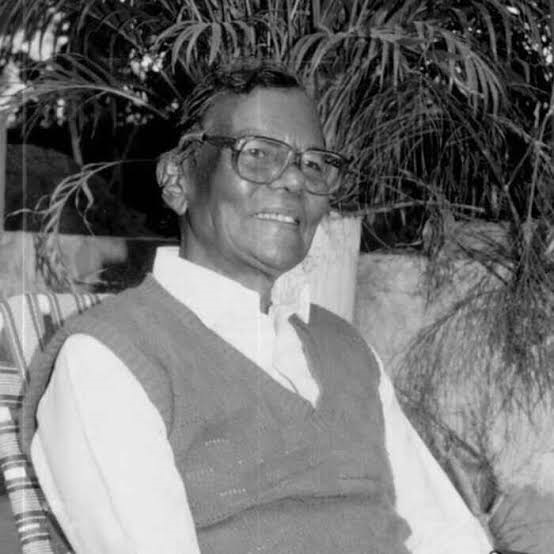
Gopinath Mohanty (1914–1991) was a titan of 20th-century Odia literature and one of modern India’s most profound humanistic novelists. Celebrated as the first-ever recipient of the Sahitya Akademi Award and the prestigious Jnanpith Award for Odisha, Mohanty revolutionized regional fiction by turning his lens toward the marginalized, particularly the indigenous tribal communities of the Koraput region. Balancing a rigorous career as a high-ranking government administrator with prolific literary output, he immortalized the struggles, dignity, and cultural richness of rural and tribal life.
2. Quick Facts
- Full Name: Gopinath Mohanty
- Native Name: গোপୀନାଥ ମହାନ୍ତି
- Date of birth: April 20, 1914
- Place Of birth: Nagabali village, Cuttack district, Odisha, India
- Nationality: Indian
- Occupation/ Profession: Civil Servant, Novelist, Short Story Writer, and Academic
- Field of Achievement: Odia Literature, Social Anthropology, and Tribal Linguistics
- Years Active: 1934 – 1991
3. Award Information (Focus: Jnanpith Award)
- Award Name: Jnanpith Award
- Award Category: India’s Highest Literary Honour
- Award Year: 1973 (Presented in 1974)
- Presented By: Bharatiya Jnanpith
- Date of Ceremony: 1974
- Citation/Official Reason: For his monumental epic novel Matimatala (The Earth Goddess), which captured the complex socioeconomic realities, spiritual resilience, and profound rhythms of rural life in Odisha.
- Previous Recipients: Notable literary icons from other Indian languages (such as Ramdhari Singh Dinkar, Firaq Gorakhpuri, etc.).
- Next Recipients: V. D. Satwadekar / Vishnu Sakharam Khandekar (1974).
4. Why They Receive the Award
Gopinath Mohanty received the Jnanpith Award for his masterwork Matimatala, a sprawling canvas of rural Odia life that integrated social realism with deep philosophical optimism. His writing elevated the ordinary farmer, laborer, and tribal member into universal archetypes of human endurance, matched by a rare command over idiom, rhythm, and lyrical prose.
5. Early Life
Born into a cultured and educated family in Nagabali village near Cuttack, Mohanty was exposed early to literature and social service. He lost his father at a young age, an experience that instilled in him deep empathy for the vulnerable and the dispossessed. His upbringing along the riverine landscape of rural Odisha shaped his lifelong romantic and realistic attachment to the soil, nature, and common folk.
6. Education
- Schooling: Completed his primary and secondary education in local Odia schools.
- Higher Education: Attended Ravenshaw College (now Ravenshaw University, Cuttack) and Patna University.
- Post-Graduation: Earned a Master of Arts (M.A.) degree in English Literature with a brilliant academic record, giving him a strong foundation in both Western literature and classical Indian texts.
7. Carrier Journey
- Odisha Administrative Service (OAS): Joined the provincial civil service in 1938 and served in various capacities across Odisha until his retirement in 1969.
- Tribal Administration & Fieldwork: His postings in remote, backward districts like Koraput brought him into intimate daily contact with indigenous groups like the Kandha and Paraja tribes, providing the raw material for his masterworks.
- Academic & Visiting Roles: Served as a UGC Distinguished Visiting Professor at Utkal University and later as an Adjunct Professor of Social Sciences at San Jose State University, USA.
8. Major Achievements
- First Sahitya Akademi Winner: Won the inaugural Central Sahitya Akademi Award in 1955 for his landmark tribal novel Amrutara Santana (The Dynasty of the Immortals).
- Seminal Novels: Authored timeless classics including Paraja (1945), Dadi Budha (1944), Harijana, and Matimatala.
- Linguistic Contributions: Researched and published five books on the indigenous languages and dialects of the Kandha, Gadaba, and Saora tribes.
9. Contribution to the Nation
Gopinath Mohanty single-handedly bridged the chasm between mainstream urban literature and India’s invisible tribal populations. By documenting tribal cultures with rigorous anthropological insight and deep emotional respect, he gave voice to communities ignored by modern development. Furthermore, his translations—including translating Leo Tolstoy’s War and Peace into Odia—enriched the regional language repository immeasurably.
10. Other Awards and Honours
- Padma Bhushan (1981) – Conferred by the Government of India for exceptional contribution to literature.
- Sahitya Akademi Award (1955) – For Amrutara Santana.
- Soviet Land Nehru Award (1970) – For literary translation and promotion of international cultural exchange.
- Doctor of Letters (D.Litt.) – Conferred honoris causa by Sambalpur University and Utkal University.
11. Legacy and Influence
Mohanty is remembered as the conscience keeper of modern Odia fiction. His works set an unyielding benchmark for social realism and psychological depth. Writers, anthropologists, and sociologists continue to study his novels as definitive ethno-literary windows into pre-industrial tribal life and the disruptive impacts of modern state expansion.
12. Interesting Facts
- The Bureaucrat-Ethnographer: Unlike many urban authors writing from imagination, Mohanty lived among the tribes he wrote about while serving as a government official, learning their dialects and customs firsthand.
- Polyglot and Scholar: Beyond English and Odia, he possessed a deep command of Sanskrit and several tribal tongues, even drafting functional grammars for unwritten tribal dialects.
- Global Final Chapter: He spent his final years with family in California, USA, where he continued lecturing and writing until his passing in San Jose in 1991.
13. Quotes
“There is zest and taste in life, no death, no sorrow…” — Amrutara Santana
14. Timeline
- 1914: Born on April 20 in Nagabali, Cuttack district, Odisha
- 1938: Joins the Odisha Administrative Service (OAS)
- 1945: Publishes his celebrated tribal novel Paraja
- 1955: Wins the first-ever Central Sahitya Akademi Award for Amrutara Santana
- 1969: Retires from active government service
- 1973: Awarded the Jnanpith Award for Matimatala
- 1981: Conferred the Padma Bhushan by the Government of India
- 1991: Passes away on August 20 in San Jose, California
15. References
- Wikipedia contributors. Gopinath Mohanty. Wikipedia, The Free Encyclopedia.
- Official Archives & Portal – GopinathMohanty.in (Life, Works, and Legacy).
- Katha Books – Author Profile: Gopinath Mohanty.
- Sahitya Akademi – Awardee Bibliographies and Translation Records.
16. Related Personalities
- Fakir Mohan Senapati – The father of modern Odia fiction and a foundational influence on realist narrative style.
- Surendra Mohanty – Contemporary Odia literary titan and peer of Gopinath Mohanty.
- Sitakant Mahapatra – Eminent Odia poet, critic, and scholar who extensively documented tribal folklore.
17. Frequently Asked Questions (FAQ)
Q: What is Gopinath Mohanty most famous for?
A: He is best known for his realistic, empathetic novels depicting the lives of tribal and rural communities in Odisha, most notably Paraja and Amrutara Santana.
Q: Did Gopinath Mohanty win the Jnanpith Award?
A: Yes, he won the Jnanpith Award in 1973 for his epic novel Matimatala.
Q: What was his profession apart from writing?
A: He was a career civil servant who served in the Odisha Administrative Service (OAS) for over three decades.
Q: What major national honors did he receive?
A: He received the inaugural Central Sahitya Akademi Award (1955), the Jnanpith Award (1973), and the Padma Bhushan (1981).
About the Author