

1. Introduction
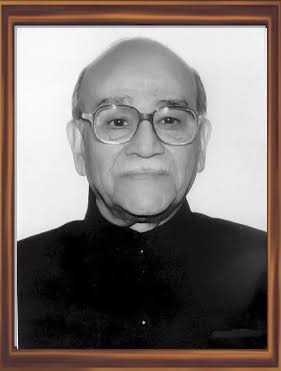
C. Krishnan Nair personified the simplicity, moral rigor, and self-sacrifice of the Gandhian era. Hailing from Kerala, he moved to the heart of India’s political stage, walking alongside Mahatma Gandhi during the historic Dandi March. After independence, rather than seeking supreme executive power when it was offered to him, he chose the path of a grassroots legislator and nation-builder, leaving an enduring footprint on Delhi’s civic expansion and institutional framework.
2. Quick facts
- Full Name: Chittarath Krishnan Nair
- Native Name: സി. കൃഷ്ണൻ നായർ (Malayalam) / सी. कृष्णन नायर (Hindi)
- Date of birth: 1902
- Place Of birth: Neyyattinkara, Travancore State, British India (present-day Kerala)
- Nationality: Indian
- Occupation/ Profession: Freedom Fighter, Politician, Social Worker, and Parliamentarian
- Field of Achievement: Indian Independence Movement and Public Governance
- Years Active: 1920s – 1980s
3. Award Information
Note: C. Krishnan Nair was primarily recognized through public reverence, organizational leadership roles, and his status as a veteran freedom fighter rather than state-bestowed civilian honors like the Padma awards. Memorial institutions such as the C.K. Nair Public School honor his legacy.
- Award Name: Honored as Veteran Freedom Fighter / “Delhi Gandhi”
- Award Category: National Recognition for Freedom Struggle Contributions
- Award Year: Post-Independence Felicitation Cycles for Freedom Fighters
- Presented By: Government of India & National Congress Leadership
- Date of Ceremony: Various national milestones (such as Independence/Republic Day anniversaries honoring freedom fighters)
- Citation/Official Reason: For unyielding dedication to the national freedom movement, participation in the Salt Satyagraha, and lifelong service to the upliftment of rural communities in Delhi.
- Previous Recipients: Fellow Satyagrahis and frontline leaders of the Indian National Movement.
- Next Recipients: Subsequent generations of public servants.
4. Why they Receive the award?
While Nair did not receive high civilian titles, he was widely revered and honored across political circles for being among the elite batch of core satyagrahis chosen directly by Mahatma Gandhi for the 1930 Salt March. His lifelong refusal of personal power in favor of public duty cemented his stature as an ethical pillar of early independent India.
5. Early Life
Born in 1902 in Neyyattinkara (Travancore) into a modest family, Nair developed an early consciousness against social inequalities and colonial rule. Drawn magnetically toward the national movement led by Mahatma Gandhi, he left conventional student life behind to plunge directly into the fires of India’s freedom struggle, eventually relocating to northern India to work closely with national ashrams.
6. Education
- Neyyattinkara High School & Sri Moola Vilasam High School, Trivandrum: Completed foundational schooling.
- Jamia Millia Islamia & Higher Studies (Aligarh and Delhi): Pursued advanced studies before interrupting his academic path to answer Mahatma Gandhi’s call to join the non-cooperation and civil disobedience movements.
7. Carrier Journey
- Satyagrahi & Ashram Resident (1928–1930): Lived and trained at the Sabarmati Ashram under Gandhi’s direct guidance.
- National Freedom Activist (1930–1942): Actively marched in the Salt Satyagraha and later faced imprisonment during the Quit India Movement.
- Delhi Pradesh Congress Committee Leader (1943 onward): Served as Vice-President, Chief Public Relations Officer, and later President (1952) of the DPCC.
- Member of Parliament (1952–1962): Elected to the First and Second Lok Sabha representing the Outer Delhi constituency.
8. Major Achievements
- Participant in the Historic Dandi March (1930): Selected as one of the first 90 foundational volunteers who marched alongside Mahatma Gandhi to break the salt tax law.
- Architect of Delhi’s Civic Infrastructure: As a Member of Parliament, played a key role in setting up the Delhi Development Authority (DDA) and formulating the early Delhi Master Plans and Municipal Corporation frameworks.
- Grassroots Community Building: Established deep roots around the Narela and Gandhi Ashram areas, dedicating decades to uplifting rural farmers and displaced refugees post-Partition.
9. Contribution to the nation
Nair’s contributions extended from fighting colonial rule on the ground to scripting the administrative framework of the national capital region. When Delhi achieved Part C statehood status in 1952, Prime Minister Jawaharlal Nehru initially invited Nair to become the first Chief Minister of Delhi due to his unmatched seniority; however, Nair graciously declined, stepping aside to promote younger leadership. His vision helped balance urban modernization with rural welfare in Delhi.
10. Other Awards and Honours
- Commemorative Institutions: The C.K. Nair Public School in Narela, Delhi, established in 1997, stands as a permanent tribute to his educational and social values.
- Felicitation by National Leaders: Routinely honored by national bodies of freedom fighters and state governments for his pioneering role in the freedom struggle.
11. Legacy and influence
Remembered universally as “Delhi Gandhi,” Krishnan Nair left a legacy defined by absolute integrity, austerity, and selflessness. Long after independence, he chose to live simply out of the Gandhi Ashram rather than pursuing luxury or high ministerial office. He served as a moral compass for early post-independence politicians, setting high standards of public accountability.
12. Interesting Facts
- Declined Direct Chief Ministership: In 1952, when offered the mantle of Delhi’s first Chief Minister by Jawaharlal Nehru, Nair declined the post, asserting that younger leadership should take charge, paving the way for Chaudhary Brahm Prakash.
- Inner Circle of Sabarmati: He was part of the elite vanguard of 90 volunteers handpicked for the historic 1930 Dandi March.
- A Southerner Who Rooted Himself in Delhi: Though born in Kerala, he dedicated his entire political and social life to the development of Delhi’s rural outskirts, earning deep local devotion.
13. Quotes
“True service to the nation begins where personal ambition ends; power is only meaningful if it reaches the humblest cottage.” — C. Krishnan Nair
14. Timeline
- 1902: Born in Neyyattinkara, Travancore (Kerala)
- 1928–1930: Becomes an active resident member of the Sabarmati Ashram
- 1930: Walks alongside Mahatma Gandhi as a volunteer in the historic Dandi Salt March
- 1942: Actively participates in the Quit India Movement
- 1952: Becomes President of the Delhi Pradesh Congress Committee and declines the offer to become Delhi’s first Chief Minister
- 1952–1962: Serves consecutive terms as a Member of Parliament in the First and Second Lok Sabha
- 1986: Passes away in New Delhi, leaving behind a rich legacy of Gandhian service
15. References
- Lok Sabha Secretariat. “Second Lok Sabha, Members Bioprofile: C. Krishnan Nair.” Government of India.
- Wikipedia contributors. “C. Krishnan Nair.” Wikipedia, The Free Encyclopedia.
- S, Sivadas. “How we have forgotten Nairji!” Power Politics Magazine.
16. Related Personalities
- Mahatma Gandhi: Mentor and leader whose philosophy shaped Nair’s entire life and political ideology.
- Jawaharlal Nehru: First Prime Minister of India who invited Nair to head Delhi’s initial administration.
- Chaudhary Brahm Prakash: First Chief Minister of Delhi, whose ascent was supported and encouraged by Nair.
17. Frequently Asked Questions (FAQ)
Q: Who was C. Krishnan Nair?
A: C. Krishnan Nair (Delhi Gandhi) was a prominent Indian independence activist, a participant in the 1930 Dandi March, and a two-term Member of Parliament from Delhi.
Q: Why was he called “Delhi Gandhi”?
A: Because of his strict adherence to Gandhian principles, austere lifestyle, and lifelong dedication to social service and welfare work across Delhi’s rural communities.
Q: Did he hold any high government positions after independence?
A: Yes, he served as an MP in the Lok Sabha (1952–1962). Notably, he was offered the position of Delhi’s first Chief Minister in 1952 by Jawaharlal Nehru, but he declined it to mentor and support younger leaders.
About the Author