
1. Introduction
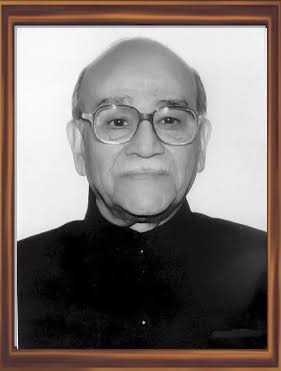
Gopinath Aman (1899–1983) lived a multifaceted life dedicated to the Indian freedom struggle, public service, and the enrichment of Urdu literature. Best remembered for bridging communities through his poetry and public leadership, he headed the Public Relations Committee of the Delhi administration during the 1950s and authored several notable works celebrating national icons, peace, and literary critique.
Sufinama
2. Quick facts
- Full Name: Gopinath Aman
- Native Name: गोपीनाथ अमन (Devanagari), گوروپی ناتھ امن (Urdu)
- Date of birth: 1899 (Exact birth records note c. 1898–1899)
- Place Of birth: Lucknow, Uttar Pradesh, India Sufinama
- Nationality: Indian
- Occupation/ Profession: Independence activist, Journalist, Writer, and Urdu Poet
- Field of Achievement: Urdu Literature, Journalism, and Public Administration
- Years Active: 1920s – 1983
3. Award Information (Focus: Padma Bhushan) Wikipedia
- Award Name: Padma Bhushan
- Award Category: Civil Honour (Third Highest Civilian Award in India) Wikipedia
- Award Year: 1977 Wikipedia
- Presented By: President of India
- Date of Ceremony: 1977 (Formal Investiture Ceremony)
- Citation/Official Reason: Recognized for his distinguished contributions and lifelong service to literature and education. Wikipedia
- Previous Recipients: Eminent artists, scientists, scholars, and public servants from prior civilian award cycles.
- Next Recipients: Subsequent literature and education honorees in later annual cohorts.
4. Why they Receive the award?
Aman received the Padma Bhushan in 1977 because of his relentless dedication to promoting Urdu literature, journalism, and cultural unity. Through his poetic collections, compilations honoring national heroes like Mahatma Gandhi and Rabindranath Tagore, and his administrative leadership in public relations, he helped maintain social harmony and sustained the cultural vitality of Urdu in northern India.
Wikipedia
5. Early Life
Born in Lucknow—a historic crucible of Urdu language, tehzeeb (culture), and poetry—Aman grew up immersed in a rich literary environment. Coming of age during the peak of the Indian independence movement, he was deeply inspired by national ideals. He chose the pen name “Aman” (meaning peace), which reflected his lifelong commitment to communal harmony, non-violence, and humanism.
Sufinama
6. Education
Aman received a traditional liberal education that placed strong emphasis on languages, classical Urdu, Persian, and contemporary political thought. His training in Lucknow deeply shaped his mastery of Urdu diction, prosody (Ilm-e-Arooz), and journalistic writing styles.
7. Carrier Journey
- Freedom Struggle & Activism: Actively participated in the Indian independence movement, aligning closely with Gandhian principles and working alongside nationalist leaders during the freedom campaigns.
- Journalism & Writing: Worked as an active journalist, essayist, and Urdu poet, utilizing the press and literature as instruments for social awakening.
- Public Administration: Headed the Public Relations Committee of the Delhi administration during the 1950s, managing information dissemination and civic harmony during post-partition nation-building.
8. Major Achievements
- Literary Preservation of National Icons: Compiled and edited significant anthologies dedicated to national figures, including works on Mahatma Gandhi’s life and martyrdom (Gandhiji ki Hayat aur Shahadat par Mukhtalif Shuara ka Muntakhab-i Kalam) and Rabindranath Tagore (Nazr-i Aqidat: Shair-i Azam Rabindranath Tagore). Wikipedia
- Published Works: Authored notable books exploring humor, satire, and linguistics, such as Bare Admiyon Ke Tanz O Mizah and Urdu Aur Uska Sahitya. Wikipedia
- Civic Leadership: Successfully steered Delhi’s public relations ecosystem through sensitive post-partition years, advocating for cultural integration.
9. Contribution to the nation
Gopinath Aman contributed significantly to national integration by using Urdu—a language shared across religious lines—as a tool for secularism and peace. As an administrator, he helped soothe the turbulence of post-partition Delhi, and as a writer, he preserved the literary heritage of India’s freedom movement, ensuring that future generations understood the sacrifices of the independence era through verse and prose.
10. Other Awards and Honours
- Padma Bhushan (1977): Conferred by the Government of India for exceptional service to literature. Wikipedia
- Civic and Literary Felicitations: Honored frequently by various Urdu academies and cultural bodies across Delhi and Uttar Pradesh for preserving composite Indian culture (Ganga-Jamuni Tehzeeb).
11. Legacy and influence
Aman is remembered as a quintessential bridge-builder—a writer of non-Muslim heritage who championed Urdu literature with exceptional grace and devotion. His anthologies remain valuable reference points for scholars studying patriotic Urdu poetry and early post-independence literary trends in Delhi.
12. Interesting Facts
- The Significance of “Aman”: True to his pen name (Aman meaning peace), his entire literary footprint avoided cynicism, focusing instead on harmony, humanism, and mutual respect.
- Multifaceted Bureaucrat-Poet: It was rare for a senior public relations administrator of post-independence Delhi to be simultaneously an active, highly respected progressive Urdu poet and anthologist.
- Diverse Bibliography: He wrote across multiple genres ranging from serious political and biographical tributes to lighthearted satire (Bare Admiyon Ke Tanz O Mizah). Wikipedia
13. Quotes
“Urdu is not just a language of a region; it is the heartbeat of a shared culture, a bridge built on words of mutual love and understanding.” — Gopinath Aman
14. Timeline
- 1899: Born in Lucknow, Uttar Pradesh Sufinama
- 1920s–1940s: Active participation in the Indian freedom struggle
- 1950s: Headed the Public Relations Committee of the Delhi administration
- 1960s: Published notable literary works including Caurang and tributes to Rabindranath Tagore Wikipedia
- 1977: Awarded the Padma Bhushan by the Government of India Wikipedia
- 1983: Passed away in Delhi, India Sufinama
15. References
- Taneja, Anup. Gandhi, Women, and the National Movement, 1920-47. Har-Anand Publications. Wikipedia
- Ministry of Home Affairs, Government of India. Padma Awards Directory (1954–2015). Wikipedia
- Aman, Gopinath. Bare Admiyon Ke Tanz O Mizah. Star Publications. Wikipedia
- Archives from Rekhta Foundation & Sufinama on Gopinath Aman’s profile.
16. Related Personalities
- Mahatma Gandhi: Subject of several poetic anthologies compiled by Aman.
- Rabindranath Tagore: Honored extensively through Aman’s centenary commemorative publications.
- Pandit Jawaharlal Nehru: Prime Minister under whose broader administrative framework Aman served in Delhi’s public sector.
17. Frequently Asked Questions (FAQ)
Q: Who was Gopinath Aman?
A: Gopinath Aman was an Indian independence activist, journalist, government public relations official, and a prominent Urdu poet.
Q: What are some of his famous books?
A: Some of his notable works include Bare Admiyon Ke Tanz O Mizah, Caurang, Urdu Aur Uska Sahitya, and his poetic collections dedicated to Mahatma Gandhi and Rabindranath Tagore (Aqidat ke Phul).
Wikipedia
Q: Did he win any national awards?
A: Yes, he was awarded the Padma Bhushan, India’s third-highest civilian honor, in 1977 for his contributions to literature.
Wikipedia
Q: What does his pen name “Aman” mean?
A: “Aman” translates to peace, reflecting his lifelong poetic and political mission centered on communal harmony and non-violence.
About the Author