Early Life and Education
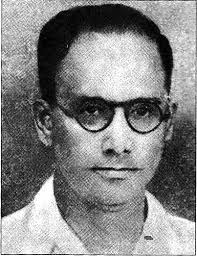
Tiruvengimalai Sesha Sundara Rajan was born in Tamil Nadu into a traditional family with strong cultural values. From a young age, he was influenced by nationalist ideas and the growing freedom struggle in India.
He pursued his early education in local schools and later received higher education, where he developed a strong interest in public affairs, politics, and social reform.
Education & Skills
Rajan was well-educated for his time and had a strong command over administration and public policy.
His key strengths included:
- Leadership and organizational ability
- Oratory skills and public speaking
- Administrative knowledge
- Interest in law, governance, and social welfare
These skills later helped him become an effective political leader and reformer.
Contribution to Tamil Literature
Though primarily known as a politician, T. S. S. Rajan also supported Tamil culture and literature.
He encouraged:
- Promotion of Tamil language in administration and education
- Support for Tamil writers and scholars
- Cultural preservation activities
His contributions helped strengthen Tamil identity during the freedom movement period.
Role in India’s Freedom Movement
T. S. S. Rajan played an active role in India’s struggle for independence.
His contributions include:
- Participation in nationalist movements against British rule
- Association with freedom-fighting leaders in Tamil Nadu
- Support for civil rights and self-governance
- Involvement in political organizations that worked for independence
After independence, he continued to serve in public office and contributed to nation-building.
Personal Life
Rajan led a disciplined and service-oriented personal life.
He was known for:
- Simplicity in lifestyle
- Commitment to public service
- Dedication to social welfare activities
- Strong moral and ethical values
He balanced his political career with family responsibilities.
Death
T. S. S. Rajan passed away after dedicating many years of his life to public service and national development. His death was widely mourned in Tamil Nadu, where he was respected as a veteran leader.
Conclusion
T. S. S. Rajan remains an important figure in Tamil Nadu’s political and social history. His contributions to the freedom movement, governance, and cultural development reflect his lifelong dedication to public service and nationalism. His legacy continues to inspire students, researchers, and political enthusiasts today.
About the Author