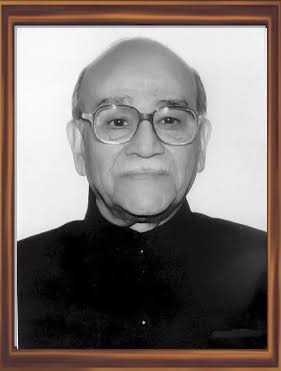

Bommireddy Narasimha Reddy, globally known as B. N. Reddi, was a legendary Indian film director and producer who stands as a foundational titan of Telugu cinema. Renowned for his deep social consciousness, artistic integrity, and technical perfection, he was the first filmmaker from South India to be honored with the country’s highest cinematic distinction, the Dadasaheb Phalke Award. Through critically acclaimed masterworks, he elevated regional cinema into an effective medium for moral reflection, social reform, and artistic expression.
2. Quick facts
- Full Name: Bommireddy Narasimha Reddy
- Native Name: బొಮ್ಮಿರೆಡ್ಡಿ ನರಸಿಂಹ ರೆಡ್ಡಿ
- Date of birth: 16 November 1908
- Place Of birth: Kadapalle, Chittoor District, Andhra Pradesh, India
- Nationality: Indian
- Occupation/ Profession: Film Director, Producer, and Screenwriter
- Field of Achievement: Indian Cinema (primarily Telugu film industry)
- Years Active: 1938–1973
3. Award Information
- Award Name: Dadasaheb Phalke Award
- Award Category: India’s highest award in cinema for lifetime contribution to the growth and development of films
- Award Year: 1974 (22nd National Film Awards)
- Presented By: Government of India
- Date of Ceremony: 1974 (Official yearly National Film Awards event)
- Citation/Official Reason: In recognition of his pioneering role in shaping Telugu cinema, his commitment to socially relevant storytelling, and his decades of stellar direction that set new benchmarks for artistic excellence in Indian films.
- Previous Recipient: Ruby Myers (Sulochana) (1973)
- Next Recipient: Dhirendra Nath Ganguly (1975)
4. Why they Receive the award?
Reddi received the Dadasaheb Phalke Award for his pioneering efforts in establishing a distinct, culturally grounded identity for Telugu cinema. His motion pictures consistently tackled pressing societal issues—such as zamindari oppression, gender inequality, and rural poverty—while maintaining high cinematic and aesthetic standards without resorting to cheap commercial gimmicks.
5. Early Life
Born into an agricultural family in Chittoor district, Reddi moved to Madras (now Chennai) during his formative years for education and career opportunities. Deeply interested in public affairs, nationalist politics, and literature during the Indian independence movement, he initially worked in accounting and business before his deep passion for drama, photography, and visual arts pulled him irrevocably into the emerging world of motion pictures.
6. Education
- Completed his early education in Madras.
- Earned his Bachelor’s degree from Pachaiyappa’s College, Madras.
- Cultivated a profound self-taught mastery of literature, dramaturgy, Western cinema techniques, and classical fine arts, which heavily influenced his framing and narrative structure.
7. Carrier Journey
- Early Studio Experience: Started his film journey by working in production and management roles with pioneering South Indian banners like Vel Pictures and Rohini Pictures.
- Co-founding Vauhini Studios (1940): Alongside A. V. Meiyappan and later as a sole driving force, Reddi established Vauhini Pictures, which grew into one of the largest and most technologically advanced film studios in all of Asia.
- Directorial Debut with Grihapravesam (1938): Launched his directorial career with a sharp, realistic look at urban middle-class life.
- Golden Era Directorial Run: Directed a string of epoch-making films through the 1940s, 50s, and 60s including Sumangali (1940), Devata (1941), Swargaseema (1945), Malliswari (1951), and Bangaru Papa (1954).
8. Major Achievements
- Directed Malliswari (1951), widely regarded as a timeless masterpiece of Indian cinema, starring N. T. Rama Rao and Bhanumathi.
- Became the first South Indian film director to win the President’s Gold Medal for Best Feature Film for Mantra Mala (1954) and Bangaru Papa.
- First film personality from South India to be conferred the prestigious Dadasaheb Phalke Award (1974).
- Awarded the civilian honor Padma Bhushan by the Government of India in 1977.
9. Contribution to the nation
B. N. Reddi used cinema as a powerful instrument for social enlightenment and national integration. Long before parallel cinema movements gained traction, his films brought the struggles of the marginalized, exploited farmers, and women trapped in rigid feudal systems to the forefront. By building Vauhini Studios, he also established state-of-the-art technical infrastructure that transformed South India into an independent, thriving hub for film production.
10. Other Awards and Honours
- Padma Bhushan (1977): Conferred by the Government of India for his distinguished services to art and literature.
- President’s Gold Medals: Multiple wins for national best feature films during the early decades of the National Film Awards.
- Doctorate (Honoris Causa): Conferred by Sri Venkateswara University, Tirupati.
11. Legacy and influence
B. N. Reddi’s legacy is defined by his absolute refusal to compromise on artistic vision for quick box-office returns. He is remembered as an auteur of rare dignity who valued script depth, musical harmony, and nuanced performances over melodrama. His younger brother, B. Nagi Reddy, also became a legendary film mogul, making the Bommireddy family one of the most influential dynasties in Indian film history.
12. Interesting Facts
- The Studio Pioneer: Vauhini Studios, which he built and managed, was at one point recognized as the best-equipped and largest studio facility in all of Southeast Asia.
- Literary Collaborations: Reddi routinely collaborated with the finest Telugu literary giants of his era, such as Devulapalli Krishna Sastry and Tapi Dharma Rao, ensuring that the dialogue and lyrics in his films maintained a high poetic standard.
- Brotherly Legacy: Both B. N. Reddi (1974) and his brother B. Nagi Reddy (1986) achieved the rare distinction of winning the Dadasaheb Phalke Award in separate decades.
13. Quotes
“Art must not only entertain the mind for an hour, but leave an enduring seed of humanism and social responsibility in the heart.” — B. N. Reddi
14. Timeline
- 1908: Born on November 16 in Chittoor district, Andhra Pradesh.
- 1938: Made his directorial debut with Grihapravesam.
- 1940: Co-founded Vauhini Pictures, later establishing Vauhini Studios.
- 1951: Released Malliswari, widely considered his masterwork.
- 1974: Honored with the Dadasaheb Phalke Award.
- 1977: Conferred the Padma Bhushan by the Government of India.
- 1977: Passed away on November 8 in Madras at the age of 68.
15. References
- National Film Directorate, Government of India. Official Archives on Dadasaheb Phalke Awardees.
- Ramachandran, Naman. Rajinikanth: The Definitive Biography. (Contextual references to early South Indian cinema pioneers).
- Wikipedia contributors. “B. N. Reddi.” Wikipedia, The Free Encyclopedia.
16. Related Personalities
- B. Nagi Reddy (brother)
- P. Bhanumathi
- N. T. Rama Rao
- Devulapalli Krishna Sastry
- L. V. Prasad
17. Frequently Asked Questions (FAQ)
Q: Who was B. N. Reddi?
A: B. N. Reddi was a legendary Indian film director and producer widely acknowledged as a pioneer of socially conscious, high-aesthetic cinema in South India.
Q: What are some of B. N. Reddi’s most famous films?
A: His most celebrated films include Malliswari (1951), Swargaseema (1945), Bangaru Papa (1954), and Sumangali (1940).
Q: What major national honors did he receive?
A: He was awarded the Dadasaheb Phalke Award in 1974 (becoming the first South Indian director to receive it) and the Padma Bhushan in 1977.
Q: What was Vauhini Studios?
A: Founded by B. N. Reddi, Vauhini Studios was one of the largest and most technologically advanced film production facilities in Asia during the golden age of Indian cinema.
About the Author