

1. Introduction
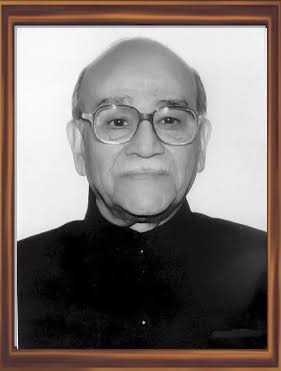
Lieutenant General Khem Karan Singh, MVC (3 March 1919 – 26 July 2016), affectionately known to his peers simply as “KK”, was one of modern India’s most distinguished military commanders, strategists, and third-generation cavalry officers. Playing an instrumental leadership role in both the 1965 and 1971 Indo-Pak wars, he masterminded critical armoured engagements and operational strategies that permanently altered the geopolitical map of South Asia.
2. Quick Facts
- Full Name: Lieutenant General Khem Karan Singh
- Native Name: खेम करण सिंह
- Date of Birth: 3 March 1919
- Place of Birth: Bhadani village, Rohtak district, Punjab (now in Haryana), British India
- Nationality: Indian
- Occupation / Profession: Military Officer (Indian Army)
- Field of Achievement: Strategic Military Leadership, Armoured Warfare, and National Defense
- Years Active: 1941 – 1975
3. Award Information
- Award Name: Padma Bhushan
- Award Category: Civil Honour (Third-highest civilian award in India)
- Award Year: Post-1971 operations (Conferred for his meritorious military service)
- Presented By: Government of India
- Date of Ceremony: Official Investiture Ceremony at Rashtrapati Bhavan
- Citation / Official Reason: Recognized for exceptional and distinguished service to the nation, specifically for his strategic brilliance as Director of Military Operations during the 1971 war.
4. Why He Received the Award
Lieutenant General Khem Karan Singh was awarded the Padma Bhushan for his outstanding leadership and strategic acumen during critical junctures of national security, culminating in the historic 1971 war that led to the liberation of Bangladesh. As the Director of Military Operations (DMO) under Army Chief General S.H.F.J. Manekshaw, his meticulous operational planning provided the bedrock for India’s decisive military victory.
5. Early Life
Born into a deeply patriotic military family with a rich lineage of cavalry service, KK grew up immersed in the values of discipline, duty, and honor. His grandfather, Risaldar Major Ram Singh, and father, Honorary Major Bharat Singh, both served with high distinction in the 14th Murray’s Jat Lancers of the British Indian Army, setting a formidable ancestral standard that he would follow.
6. Education
- Schooling: Completed his early education in local schools across the Rohtak district and Delhi.
- Higher Education: Attended the prestigious St. Stephen’s College, Delhi, graduating with a Bachelor’s degree in 1940.
7. Career Journey
- Commissioning (1941): Continued his family’s cavalry tradition by being commissioned into the elite 16th Light Cavalry (the oldest regiment in the Indian Army), which he later commanded.
- World War II (1941–1945): Saw active combat during the Burma Campaign, participating in the Battle of Meiktila and operations on the Arakan Front.
- Brigade Command & 1965 War: Commanded the 1 Armoured Brigade during the 1965 Indo-Pak War, famously crushing enemy armoured advances in the Sialkot sector.
- Director of Military Operations (1970–1971): Appointed DMO at Army Headquarters, where he masterminded the strategic architecture for the 1971 war.
- Corps Command & Army Commander (1971–1975): Commanded I Corps (the Indian Army’s strike corps) and later served as the 5th General Officer Commanding-in-Chief (GOC-in-C) of the Central Command until his retirement in 1975.
8. Major Achievements
- Awarded the Maha Vir Chakra (MVC)—India’s second-highest military gallantry award—for his exemplary courage and tactical brilliance at the Battle of Phillora during the 1965 war, where his brigade destroyed over 75 enemy tanks.
- Engineered the macro-level operational plans as DMO that guaranteed swift coordination across land, air, and naval vectors during the 1971 Bangladesh Liberation War.
- Successfully transitioned through the highest echelons of command, representing the gold standard of post-independence Indian armoured corps leadership.
9. Contribution to the Nation
Gen. Khem Karan Singh’s career directly safeguarded India’s territorial integrity through three major external conflicts (1962, 1965, and 1971). By neutralizing superior enemy armor through innovative tactical positioning in 1965 and planning a flawless multi-front campaign in 1971, he ensured that the Indian Army maintained its strategic dominance and moral stature on the global stage.
10. Other Awards and Honours
- Maha Vir Chakra (1965) for gallantry and outstanding leadership.
- Padma Bhushan (Civilian Honour) for distinguished public and military service.
- Multiple wartime campaign and service medals spanning over three decades of active duty.
11. Legacy and Influence
Revered universally by his troops simply as “KK”, he left an indelible stamp of professional perfectionism and austere dignity on the Indian Army. He mentored a generation of young officers, instilling in them a culture of uncompromising tactical grit, intellectual depth, and selflessness. His legacy endures as a textbook example of leadership from the front.
12. Interesting Facts
- Third Generation Cavalryman: He was part of an elite lineage where his grandfather, father, and himself all served with distinction in the historic cavalry units of the subcontinent.
- Golf Course General: In retirement, his legendary intensity found a unique outlet on the golf course, where he approached putting with the same meticulous concentration he once applied to military operations.
- Intellectual Stature: Known for maintaining an extensive personal library, he combined a warrior’s physical courage with the deep intellectual curiosity of a strategic scholar.
13. Quotes
“To be great sometimes one has to be misunderstood, but a soldier’s primary compact is always with his duty and the honor of his nation.” (Reflecting his uncompromising approach to professional military obligations)
14. Timeline
- 1919: Born on March 3 in Bhadani, Rohtak district, Punjab.
- 1940: Graduated from St. Stephen’s College, Delhi.
- 1941: Commissioned into the 16th Light Cavalry; saw action in World War II.
- 1965: Commanded the 1 Armoured Brigade during the Indo-Pak War; awarded the Maha Vir Chakra.
- 1970: Appointed Director of Military Operations (DMO) at Army Headquarters.
- 1971: Played a pivotal strategic role in the Bangladesh Liberation War; subsequently awarded the Padma Bhushan.
- 1973: Promoted to Army Commander, Central Command.
- 1975: Retired from active service after 34 years of distinguished military life.
- 2016: Passed away on July 26 at the age of 97.
15. References
- Wikipedia contributors. “Khem Karan Singh.” Wikipedia, The Free Encyclopedia.
- Defence Info Archives. “Lieutenant General Khem Karan Singh, MVC: A great military leader”.
- Tribune India Archives. “Lt Gen Khem Karan Singh: An outstanding military leader”.
- Ministry of Defence & Ministry of Home Affairs, Government of India — Gallantry and Padma Awards Archives.
16. Related Personalities
- Field Marshal S.H.F.J. Manekshaw: The legendary Army Chief under whose command Gen. Khem Karan Singh served as Director of Military Operations during the 1971 war.
- Risaldar Major Ram Singh: His grandfather and pioneering cavalry officer in the 14th Murray’s Jat Lancers.
17. Frequently Asked Questions (FAQ)
Q: Who was Lt. Gen. Khem Karan Singh?
A: Lt. Gen. Khem Karan Singh (MVC, Padma Bhushan) was a legendary senior Indian military officer renowned for his leadership in the 1965 and 1971 Indo-Pak wars.
Q: What is Lt. Gen. Khem Karan Singh best known for?
A: He is best known for commanding the 1 Armoured Brigade during the Battle of Phillora in 1965 (earning the Maha Vir Chakra) and serving as the Director of Military Operations during the historic 1971 war.
Q: Did he receive any gallantry awards?
A: Yes, he was awarded the Maha Vir Chakra (MVC) for conspicuous bravery and tactical brilliance in combat, alongside the Padma Bhushan for distinguished national service.
About the Author