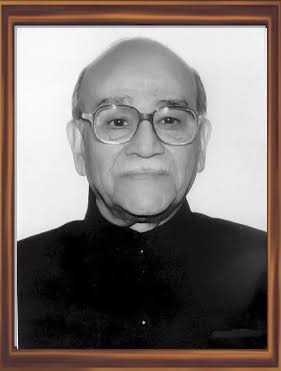


Jagjit Singh Aurora was a legendary Indian military commander best remembered as the General Officer Commanding-in-Chief (GOC-in-C) of the Eastern Command during the historic 1971 Indo-Pakistani War.
1. Introduction
Lieutenant General Jagjit Singh Aurora (1916–2005) was one of the most distinguished military strategists in post-independence Indian history. He attained global renown for masterminding the military campaign in the Eastern Theater that culminated in the liberation of Bangladesh and the unconditional surrender of 93,000 Pakistani soldiers—the largest military surrender since World War II. A soldier’s soldier and a visionary tactician, he combined fierce operational grit with deep human empathy.
2. Quick facts
- Full Name: Jagjit Singh Aurora
- Native Name: ਜਗਜੀਤ ਸਿੰਘ ਅਰੋੜਾ (Punjabi)
- Date of birth: February 13, 1916
- Place Of birth: Kala Gujran, Jhelum District, Punjab (present-day Pakistan)
- Nationality: Indian
- Occupation/ Profession: Military Officer, Politician
- Field of Achievement: Military Leadership and Strategy
- Years Active: 1939–1973 (Military Service); later active in public life/parliament
3. Award Information
- Award Name: Padma Bhushan
- Award Category: Civil Service / Military Service
- Award Year: 1972
- Presented By: President of India (V. V. Giri)
- Date of Ceremony: January 26, 1972 (Republic Day)
- Citation/Official Reason: For exceptional leadership, strategy, and distinguished service during the 1971 war.
- Previous Recipients (optional): Eminent military commanders and civil servants of prior honors lists.
- Next Recipients: Succeeding national heroes recognized for gallantry and public service.
4. Why they Receive the award?
Aurora was awarded the Padma Bhushan in recognition of his brilliant operational strategy, leadership, and execution of the military campaign in the eastern sector during the 1971 war, which led to the birth of a new sovereign nation (Bangladesh) and safeguarded India’s security and democratic values.
5. Early Life
Born in Kala Gujran in the Jhelum district of undivided Punjab, Aurora grew up in an era marked by shifting regional landscapes. He displayed a natural affinity for discipline, physical endurance, and leadership from his school days, setting the stage for a life dedicated to the armed forces.
6. Education
- Schooling: Attended local institutions in Punjab before pursuing higher education.
- Higher Education: Graduated from Government College, Lahore, before answering the call to serve in uniform by clearing selections for the British Indian Army.
- Military Training: Graduated from the prestigious Indian Military Academy (IMA), Dehradun, earning his commission just before the outbreak of World War II.
7. Carrier Journey
- World War II & Partition (1939–1947): Commissioned into the 1st Battalion, 2nd Punjab Regiment. Saw active combat in the Burma Campaign during WWII and managed volatile refugee movements during the partition of India.
- 1962 & 1965 Wars: Served with distinction during the 1962 Sino-Indian War and played a key command role as a Major General during the 1965 Indo-Pakistani War.
- General Officer Commanding-in-Chief, Eastern Command (1969–1973): Reached the peak of his military career when he took charge of the Eastern Command, orchestrating the historic 1971 Bangladesh Liberation War.
- Post-Retirement & Politics: Retired from active service in 1973 as a Lieutenant General. Later entered public service and served as a Member of Parliament (Rajya Sabha), where he fiercely advocated for minority rights and veteran welfare.
8. Major Achievements
- Masterminded the blitzkrieg campaign of the Eastern Army in December 1971, coordinating a multi-pronged offensive alongside the Mukti Bahini.
- Orchestrated the acceptance of the historic Instrument of Surrender in Dhaka on December 16, 1971, signed by Lieutenant General A. A. K. Niazi.
- Successfully handled the complex logistics of governing and managing millions of refugees prior to and during the 1971 conflict.
9. Contribution to the Nation
Aurora anchored India’s strategic defense during its finest military hour. Beyond the battlefield, his humane treatment of prisoners of war and his steadfast protection of human rights in newly liberated Bangladesh reflected the highest ethical traditions of the Indian Armed Forces. In his later years, he remained a powerful moral voice for justice, serving in the Rajya Sabha.
10. Other Awards and Honours
- Param Vishisht Seva Medal (PVSM): Awarded for distinguished service of the most exceptional order prior to the 1971 conflict.
- Padma Bhushan (1972): Conferred by the Government of India.
- Bangladesh Swadhinata Shonmanona (Liberation War Honor): Conferred posthumously by the Government of Bangladesh in 2012 for his monumental role in their liberation.
11. Legacy and Influence
Lieutenant General Aurora is remembered as a master strategist who combined meticulous planning with lightning execution. His defining moment—accepting the surrender in Dhaka—remains an iconic image in military history, cementing his legacy as a national icon who helped redraw the map of South Asia.
12. Interesting Facts
- The iconic photograph of the surrender in Dhaka features Lieutenant General Aurora sitting side-by-side with Lt. Gen. Niazi, a moment that symbolizes professional military chivalry and historical triumph.
- Despite holding the rank of Lieutenant General, his operational footprint during 1971 matched or exceeded that of a full theater commander in modern military lore.
- He was known among his troops for his physical fitness, intellectual rigor, and compassionate mentorship.
13. Quotes
“War is not just about weapons and tactics; it is about the moral conviction of the people you lead and the righteousness of the cause you defend.”
14. Timeline
- 1916: Born on February 13 in Jhelum District, Punjab.
- 1939: Commissioned into the British Indian Army from the Indian Military Academy.
- 1965: Commands a division during the 1965 Indo-Pakistani War.
- 1969: Takes over as General Officer Commanding-in-Chief, Eastern Command.
- December 1971: Leads the historic military campaign resulting in the liberation of Bangladesh and the Dhaka Surrender.
- 1972: Awarded the Padma Bhushan by the President of India.
- 1973: Retires from active military service.
- 2005: Passes away on May 3 in New Delhi at the age of 89.
15. References
- Ministry of Defence, Government of India — Archives of the 1971 War.
- Official records of the Indian Army Eastern Command.
- Biographies on the Liberation of Bangladesh and historical war chronicles.
16. Related Personalities
- Field Marshal Sam Manekshaw: Chief of the Army Staff during the 1971 war.
- Air Chief Marshal H. C. M. M. Engineer / Admiral S. M. Nanda: Service chiefs who coordinated the tri-service effort in 1971.
- General A. A. K. Niazi: Pakistani commander who surrendered to Lt. Gen. Aurora in Dhaka.
17. Frequently Asked Questions (FAQ)
- What is Lt. Gen. Jagjit Singh Aurora most famous for? He is best known for commanding the Indian Eastern Army during the 1971 war and accepting the unconditional surrender of the Pakistani military in Dhaka, leading to the creation of Bangladesh.
- What awards did he receive? His major honors include the Param Vishisht Seva Medal (PVSM), the Padma Bhushan (1972), and Bangladesh’s highest civilian state honor, the Liberation War Honor.
- Did he enter politics after retiring? Yes, after retiring from the Indian Army, he served as a Member of Parliament in the Rajya Sabha.
About the Author