
1. Introduction
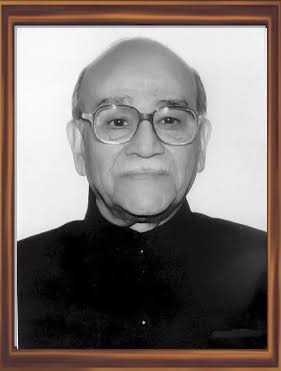
Dr. Vulimiri Ramalingaswami (1921–2001), affectionately known as “Rama” to his peers, was an iconic Indian medical scientist, pathologist, and public health visionary. Celebrated globally for his pioneering research in tropical nutrition and pathology, he fundamentally transformed how medical education, health research, and national healthcare policies were structured in independent India. Through landmark field studies and exceptional institutional leadership, he left an indelible mark on global health.
2. Quick Facts
- Full Name: Vulimiri Ramalingaswami
- Native Name: वुुलिमिरी रामलिंगस्वामी
- Date of Birth: August 8, 1921
- Place of Birth: Srikakulam, Andhra Pradesh, India
- Nationality: Indian
- Occupation/Profession: Medical Scientist, Pathologist, Teacher, and Public Health Administrator
- Field of Achievement: Pathology, Nutritional Science, and Medical Research
- Years Active: 1944 – 2001
3. Award Information
- Award Name: Padma Bhushan (followed by posthumous recognition structures)
- Award Category: Civilian Honor (Third Highest)
- Award Year: 1971
- Presented By: Government of India
- Date of Ceremony: 1971 (Rashtrapati Bhavan, New Delhi)
- Citation/Official Reason: For distinguished service and exceptional contributions to medical science, education, and public health administration.
4. Why They Received the Award
Dr. Ramalingaswami received the Padma Bhushan for his monumental breakthroughs in understanding protein-energy malnutrition, iodine deficiency disorders, and liver diseases prevalent in developing nations. His visionary research paved the way for national public health programs—most notably the mass fortification of salt with iodine to wipe out endemic goiter. Furthermore, his leadership as Director of the All India Institute of Medical Sciences (AIIMS) and Director General of the Indian Council of Medical Research (ICMR) redefined Indian biomedical infrastructure.
5. Early Life
Born in Srikakulam, Andhra Pradesh, into a Telugu-speaking family, Ramalingaswami was deeply influenced during his formative years by his paternal grandfather, a noted scholar and headmaster. Growing up in an environment that prioritized education and community values, he developed diverse intellectual pursuits early on, including a passion for music, the Veena, and amateur dramatics, alongside an intensely disciplined academic mindset.
6. Education
- MBBS (1944): Graduated from Andhra Medical College, Visakhapatnam.
- MD in Internal Medicine (1946): Also completed from Andhra Medical College.
- DPhil in Pathology (1951): Earned at Oxford University, United Kingdom, on a prestigious scholarship.
- DSc (1967): Conferred a Doctor of Science degree by Oxford University (alongside later honorary doctorates from Andhra University and the Karolinska Institute, Sweden).
7. Career Journey
- Early Research (1947–): Began his professional research career at the Nutrition Research Laboratories (NRL) in Coonoor (later shifted to Hyderabad as the National Institute of Nutrition), focusing on nutritional disorders.
- AIIMS Delhi (1957–1979): Joined as the founder Professor and Head of the Department of Pathology and later served as the Director of the All India Institute of Medical Sciences (AIIMS) from 1969 to 1979, building it into a premier global medical institution.
- ICMR Leadership (1979–1986): Served as the Director General of the Indian Council of Medical Research (ICMR), streamlining the country’s research peer-review mechanisms and establishing regional medical centers.
- Global Advisory Roles: Acted as a Special Advisor to the World Health Organization (WHO), chairing the Global Advisory Committee on Medical Research and working extensively with UNICEF and Harvard University.
8. Major Achievements
- The Kangra Valley Experiment (1956–1972): Led a landmark population-scale study across 100,000 people demonstrating that iodine deficiency caused endemic goiter and proving it could be systematically prevented using iodized salt.
- Kwashiorkor Research: Among the first investigators to thoroughly analyze and reproduce protein malnutrition (Kwashiorkor) mechanisms in experimental settings.
- Hepatitis E Discovery: Led research teams that identified the etiology of water-borne epidemics of jaundice in Delhi in the 1950s as the Hepatitis E virus.
- Fellowships of Global Prestige: Elected a Fellow of the Royal Society of London (FRS) in 1986, along with foreign associations with the US National Academy of Sciences, the Russian Academy of Medical Sciences, and fellowship across all three major Indian science academies.
9. Contribution to the Nation
Dr. Ramalingaswami’s contributions directly shaped public health policy in India. His research inputs catalyzed the creation of the National Iodine Deficiency Disorders Control Programme, the National Nutritional Anaemia Control Programme, and pivotal national strategies addressing maternal and child malnutrition. By decentralizing medical research through regional ICMR centers, he ensured that localized health crises in remote parts of India received targeted scientific attention.
10. Other Awards and Honours
- Shanti Swarup Bhatnagar Prize (1965): In the Medical Sciences category.
- Padma Shri (1969): Conferred by the Government of India.
- Basanti Devi Amir Chand Prize (1966): Awarded by the ICMR.
- Leon Bernard Foundation Award (1978): Presented by the World Health Organization.
- R. D. Birla National Award (1980): For outstanding contributions to medical research.
- J.C. Bose Medal (1977): Awarded by the Indian National Science Academy (INSA).
11. Legacy and Influence
Remembered as a rare blend of rigorous scientist, compassionate clinician, and empathetic humanist, Dr. Ramalingaswami bridged laboratory discoveries with community welfare. The central office building of the ICMR in New Delhi is named Ramalingaswami Bhavan in his honor. His academic lineage includes numerous prominent medical professionals and researchers who continue to uphold his rigorous standards of ethics and inquiry.
12. Interesting Facts
- Multifaceted Talent: Beyond medicine, he retained a deep love for Carnatic classical music, was an expert player of the Veena, and engaged actively in amateur theatre during his youth.
- Crisis Response: His expertise in nutritional emergencies was vital during major public hardships, including the Bihar famine of 1967 and the humanitarian refugee crisis during the 1971 Bangladesh Liberation War.
- Active Until the End: True to his lifelong commitment to scholarship, he worked as a National Professor at AIIMS right up until his passing in May 2001.
13. Quotes
“Physician, research scientist, teacher, and humanist.” — Sir Harold Walter (President of the 1976 World Health Assembly, describing Dr. Ramalingaswami while conferring the Leon Bernard Foundation Award)
14. Timeline
- 1921: Born on August 8 in Srikakulam, Andhra Pradesh
- 1944: Graduated with an MBBS from Andhra Medical College
- 1951: Earned his DPhil in Pathology from Oxford University
- 1957: Appointed Founder Professor and Head of Pathology at AIIMS, New Delhi
- 1969–1979: Served as the Director of AIIMS
- 1971: Conferred the Padma Bhushan by the Government of India
- 1979–1986: Served as Director General of the Indian Council of Medical Research (ICMR)
- 1986: Elected a Fellow of the Royal Society of London (FRS)
- 2001: Passed away on May 28 in New Delhi at the age of 79
15. References
- Menon, M. G. K., & Tandon, P. N. (2008). Vulimiri Ramalingaswami. 8 August 1921 — 28 May 2001. Biographical Memoirs of Fellows of the Royal Society, 54, 297–317.
- Mittra, I. (2002). Obituary: Vulimiri Ramalingaswami. BMJ, 324(7331), 242f.
- Official records of the Shanti Swarup Bhatnagar Prize and Padma Awards Directorate, Government of India.
- Historical Archives of the Royal College of Physicians (RCP Museum, London).
16. Related Personalities
- Pandit Jawaharlal Nehru (First Prime Minister of India, under whose vision institutions like AIIMS were conceptualized)
- Dr. B. P. Pal (Renowned agricultural scientist and contemporary academic leader)
- Dr. P. N. Tandon (Renowned neurosurgeon and close institutional collaborator at AIIMS)
- Sir Harold Walter (Global health leader and WHO assembly figure)
17. Frequently Asked Questions (FAQ)
Q: What is Dr. Vulimiri Ramalingaswami best known for?
A: He is best known for his pioneering research on protein malnutrition, the Kangra Valley iodine deficiency experiments, and his leadership roles as Director of AIIMS and Director General of the ICMR.
Q: What was the Kangra Valley Experiment?
A: Conducted between 1956 and 1972 across more than 100,000 people, this massive community-based trial proved that adding iodine to common salt could effectively prevent endemic goiter, anchoring India’s national public health framework against nutritional deficiencies.
Q: What international recognition did he receive?
A: He was elected a Fellow of the Royal Society of London (FRS), served as a Special Advisor to the WHO, and received prestigious honors like the Leon Bernard Foundation Award alongside foreign memberships in the US and Russian National Academies of Science.
About the Author