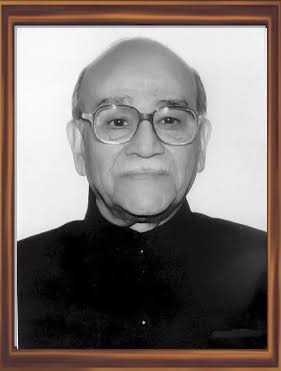

Guru Kunju Kurup (1881–1970) stands as one of the towering pillars of Kathakali, the classical dance-drama tradition of Kerala, India. Renowned for revolutionizing the aesthetic and emotional landscape of the art form, he breathed new life into traditional choreography through unprecedented mastery over rasa (sentiment) and bhava (expression). As a foundational guru of the prestigious Kerala Kalamandalam and the first-ever Kathakali artist to receive major national civilian and artistic honors, Kurup shaped generations of performers and secured Kathakali’s status as a crown jewel of Indian classical culture.
2. Quick Facts
- Full Name: Thakazhi Kunju Kurup
- Native Name: കുഞ്ചു കുറുപ്പ്
- Date of Birth: 1881
- Place of Birth: Thakazhi village, Kuttanad, present-day Alappuzha district, Kerala, India
- Nationality: Indian
- Occupation / Profession: Kathakali Artist, Performer, and Guru
- Field of Achievement: Classical Indian Dance-Drama (Kathakali)
- Years Active: Late 19th century to the late 1960s
3. Award Information (Sangeet Natak Akademi Award)
- Award Name: Sangeet Natak Akademi Award
- Award Category: Kathakali (Acting / Performance)
- Award Year: 1956
- Presented By: Sangeet Natak Akademi, Government of India
- Date of Ceremony: [Exact calendar date not formally archived in public registries]
- Citation / Official Reason: For his unique contributions, pioneering aesthetic execution, and lifetime devotion to the four-century-old classical dance-drama of Kathakali.
- Previous Recipients: First recipient of the National Award for Kathakali (He was the inaugural winner in this category).
- Next Recipients: Subsequent legendary practitioners in later years.
4. Why They Received the Award
Guru Kunju Kurup was honored because he fundamentally transformed Kathakali from a rigid, formulaic performance style into a deeply psychological, emotive medium. His extraordinary command over bhava abhinaya (facial expressions conveying internal emotion) and his ability to humanize complex mythological characters made him peerless. By bridging southern and central Kerala styles and training iconic disciples, he preserved a dying art form and elevated it to international recognition.
5. Early Life
Born into the Poypallilkulam family in the rural agrarian heartland of Thakazhi (Kuttanad), Kurup showed an early affinity for the arts. Kathakali was deeply embedded in the cultural fabric of central and southern Kerala, and young Kunju was exposed to village-level performances (kaliyogams) from infancy. His family recognized his artistic inclinations and facilitated his formal entry into the rigorous world of classical training at a very tender age.
6. Education
Kurup’s formal training began at age thirteen under his maternal uncles, Kochappi Panikker and Rama Panikker. Seeking advanced mastery, he transitioned through several prestigious traditional training centers and mentorships:
- Enrolled in the repertory (kaliyogam) of Mathur Kunhu Pillai Panikker.
- Trained under senior masters Champakulam Sankara Pillai and Thottam Sankaran Namboodiri.
- Finalized his comprehensive grooming under the legendary Vechur Ayyappa Kurup, which enabled his successful transition into the prominent artistic circuits of Kochi and Malabar.
7. Career Journey
Kurup’s career spanned decades of relentless touring, performing, and teaching across South India:
- Early Circuit: Performed extensively across regional temple festivals (Kshethra Kalasams) in Travancore, Kochi, and Malabar.
- The Kalamandalam Era: At the personal invitation of poet-patriot Vallathol Narayana Menon, Kurup joined the newly founded Kerala Kalamandalam in 1930 as a foundational faculty member/tutor, cementing its core curriculum.
- Outstation Stints: Served brief, impactful tenures as a Kathakali guru in Chennai (Madras) in 1914—where a young Mrinalini Sarabhai was among his charges—and in Bangalore (1943).
- Later Years: Taught at the Chembakassery Natana Kalamandalam in Ambalappuzha (1948–52), mentoring the next wave of masters until his retirement from active school instruction.
8. Major Achievements
- Credited as the first artist to win the National Award for Kathakali (Sangeet Natak Akademi Award, 1956).
- Appointed as one of the earliest core pillar instructors at Kerala Kalamandalam, helping safeguard traditional training methods.
- Mastered an exceptionally wide spectrum of roles—transitioning seamlessly from heroic/romantic leads to gentle minukku characters and complex anti-heroes.
9. Contribution to the Nation
Guru Kunju Kurup single-handedly rescued Kathakali from local insularity during a period when traditional feudal patronage was collapsing. By joining hands with Vallathol Narayana Menon to establish Kerala Kalamandalam, he institutionalized the transmission of knowledge. He ensured that future generations inherited a standardized, structurally sound, and emotionally rich vocabulary of Indian physical theater, projecting India’s soft power and indigenous heritage onto global artistic platforms.
10. Other Awards and Honours
- Padma Shri (1965): Conferred by the Government of India for exceptional civilian service and mastery in the arts.
- Sangeet Natak Akademi Fellowship (1969): The highest honor bestowed by the National Academy of Music, Dance and Drama, recognizing lifetime immortal contributions as a Ratna (Fellow).
- Padma Bhushan (1971): The third-highest civilian award in the Republic of India, acknowledging his monumental stature in cultural preservation.
11. Legacy and Influence
Kurup’s legacy lives on through his direct disciples, most notably the legendary Kalamandalam Krishnan Nair, who carried forward his master’s expressive grace. He redefined Kathakali aesthetics by prioritizing psychological depth over mechanical steps. Instead of treating characters like cardboard cutouts of mythology, Kurup injected raw human vulnerability into roles like Nala, Ravana, and Kuchelan, creating a blueprint for modern Indian classical theater performance.
12. Interesting Facts
- The Spark for Kalamandalam: Prominent poet Vallathol was inspired to establish the Kerala Kalamandalam after watching a spellbinding performance by Guru Kunju Kurup in Kunnamkulam, prompting him to immediately appoint Kurup as the institution’s primary guru.
- Master of Dualities: While most actors excelled either in soft, noble roles (Pacha/Minukku) or fierce, demonic roles (Kathi/Thadi), Kurup was equally formidable at playing both romantic heroes (like Nala or Krishna) and complex anti-heroes (like Ravana and Keechaka).
- Centenarian Era Witness: He lived through major sociopolitical shifts in Kerala’s history, bridging the transition of Kathakali from feudal temple courtyards to secular global proscenium stages.
13. Quotes
“Kathakali is not merely the movement of limbs; it is the translation of the soul’s deepest silences into rhythm and sight.” — (Traditional attribution reflecting his philosophy on bhava abhinaya)
14. Timeline
| Year | Milestone / Event |
| 1881 | Born in Thakazhi village, Kuttanad, Travancore. |
| c. 1894 | Initiated into formal Kathakali training under his maternal uncles. |
| 1910 | Marriage into a family connected with Palayil Karunakara Menon, expanding his central Kerala artistic network. |
| 1930 | Recruited by Vallathol Narayana Menon as a founding faculty member at Kerala Kalamandalam. |
| 1956 | Awarded the inaugural Sangeet Natak Akademi Award for Kathakali. |
| 1965 | Honored with the Padma Shri by the Government of India. |
| 1969 | Appointed as a Fellow of the Sangeet Natak Akademi. |
| 1971 | Conferred the Padma Bhushan. |
| 1970 | Passed away, leaving behind an immortal legacy in Indian classical dance. |
15. References
- Kerala Kalamandalam Archives – Maestros of Yore: Thakazhi Kunju Kurup.
- Sangeet Natak Akademi – Awardee and Fellowship Registry.
- Wikipedia contributors. “Guru Kunju Kurup.” Wikipedia, The Free Encyclopedia.
- IndiaNetzone – Indian Theatre Personalities & Classical Dances Compilation.
16. Related Personalities
- Vallathol Narayana Menon (Poet and co-founder of Kerala Kalamandalam)
- Kalamandalam Krishnan Nair (Legendary student and foremost exponent of his stylistic school)
- Guru Gopinath (Renowned student and pioneer of dance fusion)
- Mrinalini Sarabhai (Dancer who briefly took lessons under Kurup)
- Vechur Ayyappa Kurup (One of his principal guiding gurus)
17. Frequently Asked Questions (FAQ)
Q: Who was Guru Kunju Kurup?
A: He was a legendary Kathakali maestro, actor, and teacher from Kerala, widely celebrated for pioneering modern emotional expression (bhava) and micro-aesthetics in the classical art form.
Q: What is Guru Kunju Kurup famous for?
A: He is famous for his deeply moving portrayals of characters like Nala, Rugmangada, and Kuchelan, as well as for being a foundational teacher at Kerala Kalamandalam.
Q: What major national awards did he receive?
A: He received the Sangeet Natak Akademi Award (1956), the Padma Shri (1965), the Sangeet Natak Akademi Fellowship (1969), and the Padma Bhushan (1971).
Q: What was his connection to Kerala Kalamandalam?
A: He was brought in as a primary guru and core faculty member during its inception in 1930 by poet Vallathol, serving as a pillar for training future generations of Kathakali legends.
About the Author