

1. Introduction
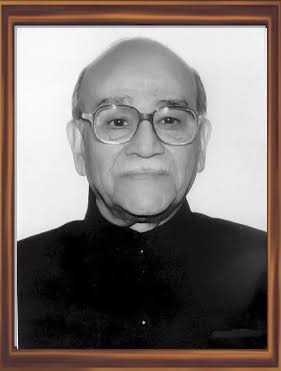
Mungtu Ram Jaipuria (1901–1978), widely known as Seth Mangtu Ram Jaipuria, was a preeminent Indian industrialist, philanthropist, educationist, and nationalist. Coming from a distinguished entrepreneurial family with roots in Nawalgarh, Rajasthan, who later settled in Kolkata and Kanpur, he played a vital role in shaping India’s early industrial landscape—particularly in textiles and sugar manufacturing—while heavily investing in nation-building through social service and education.
2. Quick Facts
- Full Name: Mungtu Ram Jaipuria (Mangtu Ram Jaipuria)
- Native Name: मंगतु राम जयपुरिया
- Date of Birth: 1901
- Place of Birth: Uttar Pradesh, India (Family roots in Nawalgarh, Rajasthan)
- Nationality: Indian
- Occupation/Profession: Industrialist, Social Worker, Educationist
- Field of Achievement: Business, Textile Industry, and Philanthropic Education
- Years Active: 1920s–1978
3. Award Information
- Award Name: Padma Bhushan
- Award Category: Civil Honour (Third-Highest Civilian Award in India)
- Award Year: 1971
- Presented By: Government of India (President of India)
- Date of Ceremony: Republic Day Honours List, 1971
- Citation/Official Reason: Recognized for distinguished and exceptional service to society, industry, and public welfare.
- Previous Recipients: Eminent industrialists, nation-builders, and public servants of India.
- Next Recipients: Notable figures of subsequent annual civilian honours lists.
4. Why He Received the Award
Mungtu Ram Jaipuria was awarded the Padma Bhushan in 1971 to honor his decades of multi-faceted contributions to independent India. As a leading industrialist, he helped anchor domestic production through major investments in textile mills and sugar enterprises. Simultaneously, his expansive philanthropic footprint—manifested through the creation of trusts, colleges, and schools—addressed critical gaps in the nation’s educational infrastructure.
5. Early Life
Born into a prominent Marwari business family, Mungtu Ram was the son of Seth Anandaram Jaipuria, a visionary pioneer who migrated from Nawalgarh (Rajasthan) to economic hubs like Kolkata and Kanpur. Growing up amidst the nationalist awakening of early 20th-century British India, Jaipuria imbibed traditional trade ethics combined with a progressive outlook toward philanthropy and social reform, laying the groundwork for his future civic endeavors.
6. Education
- Traditional & Commercial Schooling: Received early grounding in traditional academic subjects alongside practical apprenticeship in family-run commercial enterprises.
- Pragmatic Acumen: Developed a deep understanding of corporate finance, manufacturing logistics, and international trade dynamics through hands-on experience under his father’s tutelage.
7. Career Journey
- Industrial Leadership: Managed and expanded several large-scale industrial ventures, focusing primarily on sugar mills, textile spinning, and weaving operations.
- Swadeshi Enterprises: Partnered with and directed operations in some of India’s oldest and largest indigenous textile initiatives, such as Swadeshi Cotton Mills in Kanpur.
- Institutional Governance: Served on various high-powered government and industrial committees during the mid-20th century to evaluate and restructure large-scale manufacturing across northern India.
8. Major Achievements
- Spearheaded industrial output in Uttar Pradesh and West Bengal, generating thousands of jobs in the pre- and post-independence eras.
- Conferred the Padma Bhushan by the President of India in 1971.
- Laid the institutional foundation for widespread philanthropic trusts that later enabled the establishment of premier educational networks like Seth M. R. Jaipuria Schools and foundational college entities.
9. Contribution to the Nation
Jaipuria’s contributions directly supported India’s push toward economic self-reliance (Swadeshi). By stabilizing essential commodity sectors like textiles and sugar during critical decades of transition, he strengthened domestic markets. Furthermore, true to the Marwari tradition of corporate trusteeship, he funneled massive private capital into building public hospitals, dharamshalas, and educational institutions designed to uplift disadvantaged communities.
10. Other Awards and Honours
- Padma Bhushan (1971): Conferred by the Government of India for exceptional industrial and social service.
- Widely commemorated across corporate and academic circles in North India as a pioneer of value-driven industrial leadership.
11. Legacy and Influence
Seth Mungtu Ram Jaipuria’s legacy is prominently carried forward by his descendants and the educational trusts bearing his name. Institutions such as Seth Anandaram Jaipuria College (Kolkata) and the nationwide network of Seth M. R. Jaipuria Schools—along with management institutes—continue to educate tens of thousands of students, anchoring holistic and values-based learning across India.
12. Interesting Facts
- He was part of the pioneering generation of Marwari industrialists who successfully transitioned traditional mercantile capital into modern large-scale manufacturing units.
- His family name is synonymous with Indian education; institutions established or inspired by the Jaipuria family span major cities like Lucknow, Kanpur, and Kolkata.
- Despite overseeing massive industrial workforces, he maintained a deeply ascetic and philanthropic personal life focused heavily on community welfare.
13. Quotes
“Holistic education and industrial self-reliance are the twin pillars upon which the true sovereignty of an independent nation must rest.” — Mungtu Ram Jaipuria (Reflecting his vision for national development)
14. Timeline
| Year | Milestone |
| 1901 | Born into the Jaipuria family. |
| 1920s–40s | Active entry into family-led industrial management, scaling operations in textiles and sugar. |
| 1945 | Foundation laid for broader educational trusts (such as Seth Anandaram Jaipuria College in Calcutta). |
| 1971 | Honored with the Padma Bhushan by the Government of India. |
| 1978 | Passed away at the age of 77. |
| 1992 | The first K-12 school under the Seth M.R. Jaipuria name established in Lucknow in his memory. |
15. References
- Wikipedia contributors. “Mungtu Ram Jaipuria.” Wikipedia, The Free Encyclopedia.
- Ministry of Home Affairs, Government of India – Padma Awards Directory.
- Seth M. R. Jaipuria Schools – Official Corporate and Historical Archives.
- Government of Uttar Pradesh – Report of the Fact Finding Committee on Large Scale Industries.
16. Related Personalities
- Seth Anandaram Jaipuria – Father, nationalist, and early pioneer of the family’s industrial and philanthropic ventures.
- Rajaram Jaipuria – Son and prominent industrialist who further expanded the family’s business and educational footprint.
- Sharad Jaipuria – Descendant and prominent industrialist/educational leader managing current Jaipuria institutions.
17. Frequently Asked Questions (FAQ)
Q: Who was Mungtu Ram Jaipuria?
A: Mungtu Ram Jaipuria (Seth Mangtu Ram Jaipuria) was a noted Indian industrialist, philanthropist, and educationist recognized for his contributions to the textile industry and social service.
Q: What are the prominent institutions associated with his name?
A: He is the foundational inspiration behind the nationwide Seth M. R. Jaipuria Schools network and related educational trusts that operate numerous K-12 schools and management institutes across India.
Q: When did he receive the Padma Bhushan?
A: He was awarded the Padma Bhushan by the Government of India in 1971.
Q: When did he pass away?
A: He passed away in 1978 at the age of 77.
About the Author