Early Life and Education
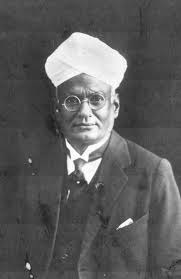
Ganapathi Agraharam Natesan, widely known as G. A. Natesan, was born on 24 August 1873 in Ganapathi Agraharam, near Kumbakonam in present-day Tamil Nadu. He was born into a family that valued education and public service.
Natesan received his early education in the Madras Presidency and displayed a keen interest in literature, journalism, and contemporary political affairs from a young age. His academic background helped him develop exceptional communication and editorial skills, which later became instrumental in shaping public opinion during the Indian nationalist movement.
Education & Skills
G. A. Natesan was a highly educated intellectual whose strengths extended across publishing, journalism, and public affairs. His notable skills included:
- Editorial and publishing expertise
- Exceptional writing and communication abilities
- Leadership in public and social organizations
- Knowledge of Indian history and constitutional issues
- Advocacy for social reform and national awareness
- Ability to connect Indian leaders with international audiences through print media
Through these skills, he emerged as one of South India’s most influential publishers during the early twentieth century.
Contribution to Tamil Literature
Although G. A. Natesan is primarily remembered for his work in English journalism, he made significant contributions to the broader literary and intellectual culture of Tamil Nadu.
His contributions include:
- Promoting the ideas and achievements of Indian scholars, reformers, and political leaders through his publications.
- Encouraging public interest in India’s cultural heritage and regional literary traditions.
- Publishing biographies and essays that introduced readers to prominent Indian personalities.
- Supporting educational initiatives that fostered literary awareness among the public.
His publishing ventures helped create an informed readership and encouraged intellectual discourse in Tamil society.
Role in India’s Freedom Movement
G. A. Natesan played an important role in India’s struggle for independence through journalism and political advocacy rather than direct revolutionary action.
In 1900, he founded The Indian Review, one of the most influential English-language monthly journals of its time. The publication became a platform for discussions on:
- Indian nationalism,
- Constitutional reforms,
- Social progress,
- Economic development, and
- Educational advancement.
The journal featured articles by leading figures such as Mahatma Gandhi, Annie Besant, Gopal Krishna Gokhale, and other prominent national leaders.
Natesan strongly advocated moderate constitutional methods for achieving self-government. He believed that informed public opinion and political education were essential for India’s progress toward independence.
He also participated in the activities of the Indian National Congress and supported reforms aimed at increasing Indian representation in governance.
Through his writings and publications, he helped shape nationalist thought and provided an influential forum for debate during a crucial period in India’s political history.
Publishing Career and Public Service
One of G. A. Natesan’s most enduring achievements was the establishment of G. A. Natesan & Co., a publishing house in Madras.
His publishing initiatives included:
- Producing affordable books on Indian history and politics.
- Publishing speeches and writings of national leaders.
- Encouraging intellectual engagement among students and young readers.
- Disseminating information about India’s cultural and political aspirations to audiences both within and outside the country.
He also served in various public bodies and contributed to discussions on education, governance, and social reform.
Personal Life
G. A. Natesan maintained a life dedicated to scholarship, publishing, and public service. Despite his influence in political and intellectual circles, he remained deeply committed to the dissemination of knowledge and the upliftment of society through education.
He earned widespread respect among contemporaries for his integrity, professionalism, and dedication to India’s advancement.
His work reflected a belief that journalism could serve as a powerful instrument for national awakening.
Death
G. A. Natesan passed away on 17 April 1948, shortly after India achieved independence.
Although he did not live long in independent India, he witnessed the realization of the national aspirations that he had promoted for decades through his publications and public activities.
His death marked the end of a distinguished career in journalism and nationalist advocacy.
Conclusion
G. A. Natesan occupies a unique place in India’s freedom movement as a publisher, journalist, and intellectual leader. Through The Indian Review and his publishing initiatives, he provided a platform for some of the most important voices of the nationalist era and helped educate generations of Indians about their country’s political and cultural heritage.
While he may not have led mass protests or revolutionary campaigns, his contribution to India’s independence was equally significant. By fostering informed public opinion and encouraging constructive dialogue, G. A. Natesan demonstrated the transformative power of the written word in the service of nation-building.
Today, he is remembered as one of Tamil Nadu’s pioneering publishers whose efforts enriched India’s intellectual life and strengthened the foundations of the freedom movement.
About the Author