
1. Introduction
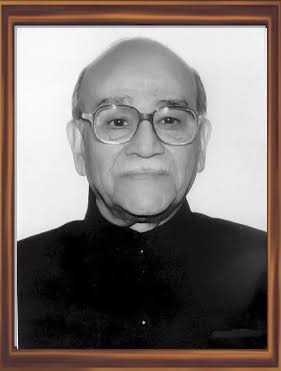
Mannathu Padmanabha Pillai, popularly known as Mannathu Padmanabhan or simply Mannam, was a prominent Indian social reformer, freedom fighter, lawyer, teacher, organiser and institution builder from Kerala.
He is best known as the founder of the Nair Service Society (NSS), an organisation established in 1914 to promote social advancement, education and welfare. Under his leadership, the organisation developed an extensive network of educational and social institutions.
Mannathu Padmanabhan was also an active participant in Kerala’s social-reform and freedom movements. He took part in the Vaikom Satyagraha, supported temple-entry and anti-untouchability campaigns, and participated in the Guruvayur Satyagraha. The Government of India’s Azadi Ka Amrit Mahotsav records his participation in these movements and identifies him as the founder of the Nair Service Society.
He was honoured with the title “Bharata Kesari” by the President of India and received the Padma Bhushan in 1966 in the field of Social Work.
2. Quick Facts
| Particular | Information |
|---|---|
| Full Name | Mannathu Padmanabha Pillai |
| Common Name | Mannathu Padmanabhan / Mannam |
| Malayalam Name | മന്നത്ത് പത്മനാഭൻ |
| Date of Birth | 2 January 1878 |
| Place of Birth | Perunna, Changanassery, Travancore, present-day Kottayam, Kerala |
| Nationality | Indian |
| Profession | Social Reformer, Teacher, Lawyer, Freedom Fighter and Organiser |
| Field of Achievement | Social Work, Education, Social Reform and Public Service |
| Best Known For | Founder of Nair Service Society |
| Popular Title | Bharata Kesari |
| Years Active | 1893–1970 |
| Major Award | Padma Bhushan |
| Padma Bhushan Year | 1966 |
| Padma Bhushan Category | Social Work |
| Date of Death | 25 February 1970 |
| Age at Death | 92 |
The Government of India’s historical record gives his birth date as 2 January 1878 and records his death on 25 February 1970.
3. Award Information
Padma Bhushan – 1966
Mannathu Padmanabhan received the Padma Bhushan in 1966 for his contribution to Social Work.
| Award Detail | Information |
| Award Name | Padma Bhushan |
| Award Category | Social Work |
| Award Year | 1966 |
| Awardee | Shri Mannathu Padmanabhan |
| State | Kerala |
| Presented By | President of India |
| Official Notification Date | 26 January 1966 |
| Exact Investiture Ceremony Date | Not independently verified from the official online record |
| Official Gazette Description | Social Worker, Kerala |
The official Padma Awards database lists Shri Mannathu Padmanabhan – Padma Bhushan – 1966 – Social Work – Kerala.
The official Gazette of India notification dated 26 January 1966 lists:
“Shri Mannathu Padmanabhan, Social Worker, Kerala.”
Citation / Official Reason
The 1966 Gazette does not provide a lengthy modern-style citation. However, his official award category was Social Work, reflecting his extensive contribution to social reform, community organisation, education and public welfare.
His work through the Nair Service Society included establishing educational institutions, organising community welfare activities and promoting social reform.
Previous Recipients
Because the Padma Bhushan is awarded to several people every year, there is no single previous recipient.
For comparison, the official database lists the following among the 1965 Padma Bhushan recipients:
- Air Vice Marshal Ramaswamy Rajaram
- Air Vice Marshal P. Chandra Lal
- Appasaheb Patwardhan
- Dr. Bhalchandra Babaji Dikshit
- Dr. Jayant Vishnu Narlikar
Other 1966 Recipients
Mannathu Padmanabhan was among several distinguished Padma Bhushan recipients in 1966, including:
- K. P. Kesava Menon – Public Affairs
- Verghese Kurien – Trade and Industry
- Puliyur Krishnaswamy Duraiswami – Medicine
- Vikram Sarabhai – Science and Engineering
- Zubin Mehta – Art
- Shankar Pillai – Art
4. Why Did Mannathu Padmanabhan Receive the Award?
Mannathu Padmanabhan received the Padma Bhushan in 1966 for Social Work.
His contribution was based on decades of social organisation, education and public service.
His major contributions included:
- Founding the Nair Service Society in 1914.
- Promoting education through NSS institutions.
- Working against untouchability and caste discrimination.
- Participating in the Vaikom Satyagraha.
- Supporting the Guruvayur Satyagraha.
- Leading the Savarna Jatha as part of the anti-untouchability movement.
- Supporting the Indian independence movement.
- Developing social-welfare and educational institutions.
- Serving as the first president of the Travancore Devaswom Board.
- Participating in post-independence public life.
The Government of India’s historical account specifically highlights his social-equality activities, Vaikom Satyagraha participation, Guruvayur Satyagraha involvement and founding of the NSS.
5. Early Life
Mannathu Padmanabhan was born on 2 January 1878 at Perunna in Changanassery, in the erstwhile Travancore state.
His father was Easwaran Namboodiri of Nilavana Illam, while his mother was Parvathy Amma of the Mannathu family.
His childhood was not one of privilege. Financial difficulties affected his education, and he had to enter working life at a relatively young age.
Despite these difficulties, he developed a strong interest in education, law, social organisation and public affairs.
His early experiences helped shape his later belief that education and organised social action were essential for community development.
6. Education
Mannathu Padmanabhan’s formal education was interrupted by financial difficulties.
He began his early schooling in the Changanassery area. Later, he continued his studies while earning money through document writing and other work. He completed training that enabled him to work as a teacher and subsequently qualified to practise law in the lower criminal/magistrate courts.
Teacher Training
He completed teacher training and began working as a schoolteacher.
Legal Training
He subsequently passed the examination that enabled him to practise in the Magistrates’ Courts.
Thus, unlike many public figures who followed a conventional university education, Mannathu Padmanabhan’s education was closely connected with self-development, professional training and practical experience.
7. Career Journey
Beginning as a Teacher
Mannathu Padmanabhan began his professional career as a teacher in 1893 at a government primary school in Kanjirapally. He was around 16 years old.
He later worked as a teacher and headmaster.
Becoming a Lawyer
Around 1905, he entered the legal profession and began practising in the Magistrates’ Courts.
He became an established member of the local Bar.
However, law did not remain his ultimate career.
Founding the Nair Service Society
On 31 October 1914, Mannathu Padmanabhan and a group of associates established the organisation that became the Nair Service Society (NSS).
The organisation initially sought to organise and improve the social condition of the Nair community.
In 1915, Padmanabhan gave up his legal practice and devoted himself to the organisation full-time. He served as its secretary for many years and later as its president.
Social Reform
Mannathu Padmanabhan worked to modernise social practices and promote education.
The NSS developed a network of schools, colleges and welfare institutions, making education one of the most important areas of his institutional legacy.
Vaikom Satyagraha
In 1924, Padmanabhan participated in the Vaikom Satyagraha, which challenged caste-based restrictions on access to roads surrounding the Vaikom temple.
He subsequently led the Savarna Jatha, a march intended to build support for temple-entry and anti-untouchability reform.
Guruvayur Satyagraha
He also participated in the Guruvayur Satyagraha, another important temple-entry and anti-untouchability campaign in Kerala.
Freedom Movement
Padmanabhan later became involved in the Travancore State Congress movement and opposed the administration of Sir C. P. Ramaswamy Iyer, particularly its policy associated with an independent Travancore.
The Government of India’s historical record recognises his participation in struggles connected with India’s independence movement.
Travancore Devaswom Board
After independence, he became the first president of the Travancore Devaswom Board.
He worked to improve the administration and functioning of temples under the Board.
Later Political Activities
Padmanabhan continued to participate in Kerala’s political and social affairs after independence.
He was a member of the Travancore Legislative Assembly and later became one of the leaders associated with the Vimochana Samaram (Liberation Struggle) of 1959, which opposed the Communist government of E. M. S. Namboodiripad.
8. Major Achievements
1. Founder of the Nair Service Society
His most important institutional achievement was the establishment of the Nair Service Society in 1914.
The organisation grew into a major network of educational and welfare institutions.
2. Promotion of Education
Padmanabhan believed education was essential for social advancement.
The NSS subsequently established numerous schools, colleges and professional institutions, creating a lasting educational legacy.
3. Participation in Vaikom Satyagraha
His participation in Vaikom placed him among Kerala’s prominent social-reform leaders.
4. Anti-Untouchability Campaign
He actively supported campaigns against untouchability and caste-based exclusion.
He also opened his family temple to people irrespective of caste distinctions, according to biographical accounts.
5. Guruvayur Satyagraha
He participated in the Guruvayur temple-entry movement and served in its organisational leadership.
6. Savarna Jatha
His leadership of the Savarna Jatha was an important part of the campaign surrounding the Vaikom movement.
7. Public Service
As the first president of the Travancore Devaswom Board, he contributed to temple administration and institutional reform.
8. Vimochana Samaram
In 1959, he became a prominent leader of the opposition movement against Kerala’s first Communist government.
9. Contribution to the Nation
Mannathu Padmanabhan’s contribution to India can be understood through social reform, education, freedom movement participation and institution building.
Social Reform
He worked against untouchability and supported temple-entry movements.
Education
Through the NSS, he helped establish institutions that expanded access to modern education.
Freedom Movement
He participated in movements connected with India’s struggle for independence and opposed policies of the Travancore administration that conflicted with the nationalist cause.
Community Organisation
He demonstrated how organised social institutions could address education, welfare and economic development.
Public Welfare
The Government of India’s historical account notes that NSS institutions later included schools, colleges, hospitals, cooperative organisations and other welfare activities.
His contribution therefore extended beyond one community and became part of Kerala’s broader history of education, social reform and institution building.
10. Other Awards and Honours
Bharata Kesari
Mannathu Padmanabhan was honoured with the title “Bharata Kesari”, meaning approximately “Lion of India.”
The title was conferred by the President of India and became one of the most recognised honours associated with him. Kerala Public Service Commission material also identifies him as the recipient of this title.
Padma Bhushan – 1966
He received the Padma Bhushan in 1966 in the category of Social Work.
Commemorative Postage Stamp
The Government of India issued a commemorative postage stamp featuring Mannathu Padmanabhan in 1989, on the occasion of his birth anniversary.
Mannam Jayanti
His birthday, 2 January, is commemorated as Mannam Jayanti, particularly by institutions associated with the Nair Service Society.
11. Legacy and Influence
Mannathu Padmanabhan’s most lasting legacy is the Nair Service Society and its extensive institutional network.
The NSS began as a social organisation in 1914 and later developed educational, healthcare, cooperative and welfare institutions.
His emphasis on education helped establish a long-lasting institutional culture around schools and colleges. The Government of India’s historical account notes the extensive educational and welfare network that grew from his work.
His legacy also extends to Kerala’s social-reform history.
He participated in movements that challenged untouchability and caste-based exclusion, including the Vaikom and Guruvayur campaigns.
At the same time, his legacy should be understood within the historical context of community organisation in early twentieth-century Kerala. The NSS was founded specifically around the social advancement of the Nair community, while some of Padmanabhan’s later activities had a broader public and nationalist dimension.
Today, he is remembered as:
- Founder of NSS
- Social reformer
- Education promoter
- Freedom movement participant
- Organiser
- Institution builder
- Advocate of social equality
- Public servant
12. Interesting Facts
- Mannathu Padmanabhan was born on 2 January 1878.
- He was born at Perunna in Changanassery.
- He began his career as a teacher.
- He started teaching in 1893, at about 16 years of age.
- He entered the legal profession around 1905.
- He helped establish the Nair Service Society in 1914.
- He gave up legal practice to devote himself full-time to the NSS.
- He participated in the Vaikom Satyagraha in 1924.
- He led the Savarna Jatha associated with the anti-untouchability movement.
- He participated in the Guruvayur Satyagraha.
- He supported temple-entry and anti-untouchability campaigns.
- He opened his family temple to people regardless of caste, according to biographical accounts.
- He became the first president of the Travancore Devaswom Board.
- He was associated with the Travancore State Congress movement.
- He played a major role in the 1959 Vimochana Samaram.
- He was honoured with the title Bharata Kesari.
- He received the Padma Bhushan in 1966.
- His Padma Bhushan category was Social Work.
- The Government of India issued a commemorative postage stamp in his honour in 1989.
- His birth anniversary is commemorated as Mannam Jayanti.
- He died on 25 February 1970.
13. Quotes
There are recordings, speeches and collections of Mannathu Padmanabhan’s Malayalam speeches, but relatively few of his statements have reliable, widely accessible English translations.
For a blog, it is safer not to invent or loosely translate quotations and present them as exact words.
One documented theme in his speeches was the importance of self-confidence, education, self-reliance and organised social action. Academic research cites his 1928 speech titled “Athmavisvasavum Swasrayasheelavum Valarthuka”, which can be translated approximately as “Develop self-confidence and self-reliance.”
You can use the following as a blogger’s summary, not as a direct quotation:
“Mannathu Padmanabhan believed that education, self-confidence and organised social action were essential for social progress.”
Famous Speech
His Muthukulam Speech is another important part of his public legacy. It is remembered as an important speech in Kerala’s social and political history, particularly for its emphasis on social reform, education and self-reliance.
14. Timeline
| Year | Event |
| 1878 | Born on 2 January at Perunna, Changanassery |
| 1893 | Began career as a teacher at Kanjirapally Government Primary School |
| Early 1900s | Continued education and professional development |
| 1905 | Entered legal practice in Magistrates’ Courts |
| 1914 | Helped establish the organisation that became the Nair Service Society |
| 1915 | Gave up legal practice and became full-time secretary of NSS |
| 1916 | NSS expanded its educational and organisational activities |
| 1921 | Became a member of the Sree Moolam Popular Assembly |
| 1924 | Participated in the Vaikom Satyagraha |
| 1924 | Led the Savarna Jatha |
| 1925 | NSS formally registered under the Indian Companies Act |
| 1929 | Participated in the Guruvayur Satyagraha |
| 1930s | Continued social reform and educational activities |
| 1940s | Became increasingly involved in the nationalist movement |
| 1947 | Participated in Travancore State Congress activities |
| 1949 | Became a member of the Travancore Legislative Assembly |
| 1949–1950 | Served as first president of Travancore Devaswom Board |
| 1950s | Continued social and political activities |
| 1959 | Became a leading figure in the Vimochana Samaram |
| 1966 | Received Padma Bhushan for Social Work |
| 1970 | Died on 25 February |
| 1989 | Government of India issued a commemorative postage stamp in his honour |
The timeline is based on Government of India historical material and NSS institutional records.
15. References
1. Government of India – Padma Awards Database
The official database confirms that Mannathu Padmanabhan received the Padma Bhushan in 1966 in Social Work, Kerala.
2. Gazette of India – 1966 Padma Awards
The official Gazette dated 26 January 1966 lists Mannathu Padmanabhan as a Social Worker from Kerala among the Padma Bhushan awardees.
3. Ministry of Culture – Azadi Ka Amrit Mahotsav
The Government of India’s historical profile documents his birth, Nair Service Society activities, Vaikom Satyagraha, Guruvayur Satyagraha and freedom-movement participation.
4. Nair Service Society
NSS-affiliated historical material provides information about his early career, the formation of the organisation and his long service as its secretary and president.
5. NSS Educational Institutions
NSS educational institutions preserve biographical information about Mannathu Padmanabhan and his contribution to education and social development.
6. Academic Research
Academic research on Kerala’s social history provides references to Mannathu Padmanabhan’s speeches and his emphasis on self-confidence, self-reliance and education.
16. Related Personalities
K. Kelappan
K. Kelappan, popularly known as the “Kerala Gandhi,” was a major freedom fighter and social reformer associated with the Vaikom and Guruvayur movements. Mannathu Padmanabhan and Kelappan were both important figures in Kerala’s temple-entry and anti-untouchability campaigns.
Mahatma Gandhi
Gandhi’s national movement and philosophy of social reform influenced Kerala’s freedom struggle, including campaigns against untouchability and for temple entry.
T. K. Madhavan
T. K. Madhavan was one of the important leaders associated with the Vaikom Satyagraha and the broader campaign for social equality in Kerala.
Sree Narayana Guru
Sree Narayana Guru was one of Kerala’s most influential social reformers. His movement for social equality provides important historical context for the reform movements in which Mannathu Padmanabhan participated.
Ayyankali
Ayyankali was a major Dalit social reformer who fought for the rights and education of oppressed communities in Kerala.
Sir C. P. Ramaswamy Iyer
As Dewan of Travancore, C. P. Ramaswamy Iyer became a major political opponent of Mannathu Padmanabhan during the later phase of the Travancore nationalist movement.
E. M. S. Namboodiripad
E. M. S. Namboodiripad led Kerala’s first Communist government, which Mannathu Padmanabhan and other groups opposed during the Vimochana Samaram of 1959.
17. Frequently Asked Questions (FAQ)
Who was Mannathu Padmanabha Pillai?
Mannathu Padmanabha Pillai, popularly known as Mannathu Padmanabhan or Mannam, was a Kerala social reformer, freedom fighter, lawyer, teacher and founder of the Nair Service Society.
When was Mannathu Padmanabhan born?
He was born on 2 January 1878 at Perunna in Changanassery, Kerala.
What is Mannathu Padmanabhan famous for?
He is primarily famous for founding the Nair Service Society (NSS) and for his participation in Kerala’s social-reform and freedom movements.
When was the Nair Service Society founded?
The organisation was founded on 31 October 1914 by Mannathu Padmanabhan and his associates.
What was the Nair Service Society?
The NSS was established as a social organisation aimed at improving the social, educational and economic position of the Nair community. Over time, it developed schools, colleges and welfare institutions.
Did Mannathu Padmanabhan participate in the freedom movement?
Yes. He participated in several movements connected with Kerala’s struggle against social discrimination and colonial-era political structures, including the Vaikom Satyagraha, Guruvayur Satyagraha and later Travancore State Congress activities.
What was the Vaikom Satyagraha?
The Vaikom Satyagraha of 1924 was a major Kerala social-reform movement demanding access to public roads around the Vaikom temple for people who had been excluded because of caste.
Did Mannathu Padmanabhan participate in the Guruvayur Satyagraha?
Yes. The Government of India’s historical record identifies him as a participant in the Guruvayur Satyagraha and its wider anti-untouchability campaign.
What was the Savarna Jatha?
The Savarna Jatha was a march led by Mannathu Padmanabhan in connection with the Vaikom movement. It sought support among upper-caste Hindus for temple-entry and anti-untouchability reforms.
Which award did Mannathu Padmanabhan receive?
He received the Padma Bhushan in 1966.
In which category did he receive the Padma Bhushan?
The official Government of India record classifies his Padma Bhushan under Social Work.
Why did Mannathu Padmanabhan receive the Padma Bhushan?
He was recognised for his long contribution to social work, including social organisation, education, welfare activities and reform movements in Kerala.
What title was given to Mannathu Padmanabhan?
He was honoured with the title Bharata Kesari, meaning approximately “Lion of India.”
What was Mannathu Padmanabhan’s profession?
He worked as a teacher and lawyer before dedicating himself to social organisation and public service.
Was Mannathu Padmanabhan a lawyer?
Yes. He entered legal practice around 1905 and practised in Magistrates’ Courts.
What was Mannathu Padmanabhan’s role in education?
He promoted education through the Nair Service Society, which subsequently established a large network of schools, colleges and other educational institutions.
What is Mannam Jayanti?
Mannam Jayanti is the annual commemoration of Mannathu Padmanabhan’s birth anniversary on 2 January.
When did Mannathu Padmanabhan die?
He died on 25 February 1970. The Government of India’s historical record gives this date.
Where did Mannathu Padmanabhan die?
He died in Perunna, Changanassery, Kerala, according to biographical records.
What is Mannathu Padmanabhan’s greatest legacy?
His greatest institutional legacy is the Nair Service Society and its educational and welfare network. His wider historical legacy includes his role in Kerala’s social-reform movements, anti-untouchability campaigns and nationalist activities.
Conclusion
Mannathu Padmanabha Pillai, remembered as Mannathu Padmanabhan or Mannam, was one of the important social reformers and institution builders in Kerala’s modern history.
Beginning his career as a teacher and later working as a lawyer, he eventually devoted himself to social organisation. His founding of the Nair Service Society in 1914 created an institution that would go on to establish schools, colleges, hospitals and other welfare initiatives.
His public life also extended beyond community organisation. He participated in the Vaikom Satyagraha, supported the Guruvayur Satyagraha, led the Savarna Jatha, and advocated against untouchability and caste-based exclusion. He later participated in the political movements associated with the Travancore State Congress and Kerala’s post-independence political life.
In recognition of his contribution to Social Work, the Government of India awarded him the Padma Bhushan in 1966. He was also honoured with the title Bharata Kesari.
His life illustrates how education, social organisation, reform and public service can create long-lasting institutions. His legacy continues particularly through the Nair Service Society and the educational and welfare institutions associated with it.
About the Author