1. Introduction
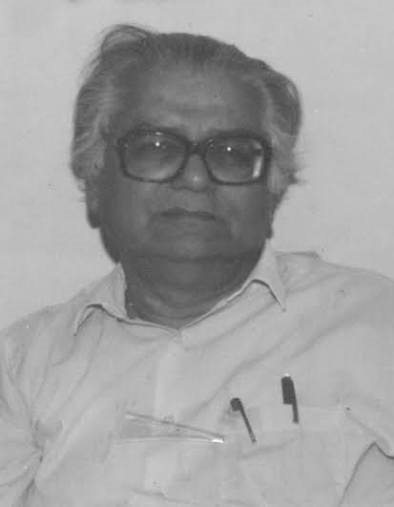
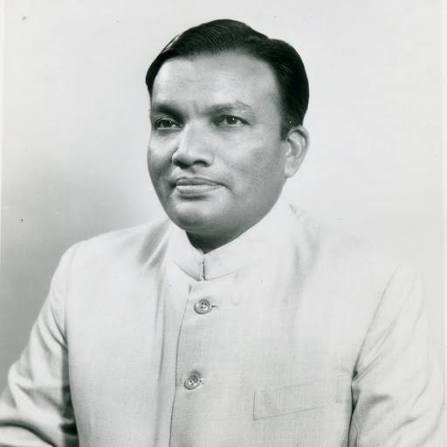
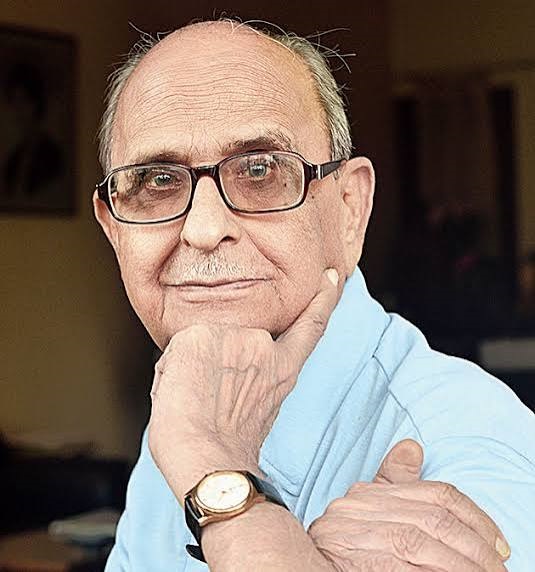
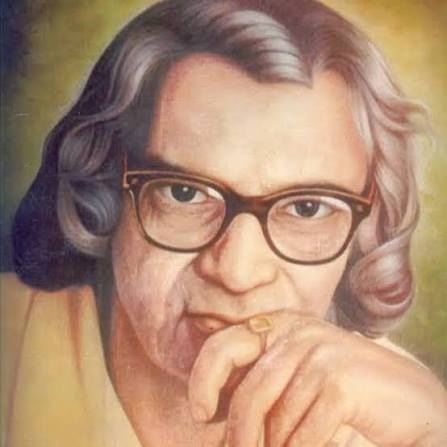
Sumitranandan Pant was one of the greatest poets in modern Hindi literature and a leading figure of the Chhayavad (Romanticism) movement. His poetry celebrated nature, beauty, humanism, and spirituality, and he played a vital role in shaping twentieth-century Hindi literature. Pant received the Padma Bhushan in 1961 for his distinguished contribution to literature and later became the first Hindi poet to receive the Jnanpith Award in 1968.
2. Quick Facts
| Detail | Information |
|---|---|
| Full Name | Sumitranandan Pant |
| Native Name | सुमित्रानंदन पंत |
| Date of Birth | 20 May 1900 |
| Place of Birth | Kausani, North-Western Provinces, British India (now Uttarakhand, India) |
| Date of Death | 28 December 1977 |
| Place of Death | Prayagraj (Allahabad), Uttar Pradesh, India |
| Nationality | Indian |
| Occupation / Profession | Poet, Writer, Essayist |
| Field of Achievement | Hindi Literature |
| Literary Movement | Chhayavad (Romanticism) |
| Years Active | 1916–1977 |
| Known For | Nature poetry, Chhayavad movement, Chidambara, Pallav, Kala Aur Budha Chand |
3. Award Information
| Detail | Information |
|---|---|
| Award Name | Padma Bhushan |
| Award Category | Literature and Education |
| Award Year | 1961 |
| Presented By | President of India |
| Date of Ceremony | Announced on 26 January 1961; conferred later that year at Rashtrapati Bhavan |
| Official Citation | Distinguished contribution to Hindi literature and education |
| Previous Recipients (Optional) | Annual civilian honour; no direct predecessor |
| Next Recipients | Annual civilian honour; no direct successor |
4. Why Did He Receive the Award?
Sumitranandan Pant received the Padma Bhushan for:
- Outstanding contribution to modern Hindi poetry.
- Leadership in the Chhayavad literary movement.
- Enriching Hindi literature through poetry, essays, and philosophical writings.
- Inspiring generations of writers with his humanistic and nature-inspired works.
- Promoting Indian cultural and literary values.
5. Early Life
Pant was born on 20 May 1900 in the picturesque village of Kausani in present-day Uttarakhand. His mother passed away soon after his birth, and he was raised by his grandmother. Surrounded by the Himalayan landscape, he developed a lifelong love for nature, which became the defining theme of his poetry. His father, Ganga Dutt Pant, managed a tea estate and was also a landowner.
6. Education
- Early education in Kausani and Almora.
- Later studied in Varanasi and Allahabad.
- Joined Muir Central College, Allahabad.
- Left formal education during the Non-Cooperation Movement, inspired by Mahatma Gandhi, and devoted himself to literature.
7. Career Journey
Early Literary Career
- Began writing poetry as a teenager.
- Published early collections including Veena and Pallav.
Chhayavad Era
- Emerged as one of the four pillars of Chhayavad alongside:
- Jaishankar Prasad
- Suryakant Tripathi ‘Nirala’
- Mahadevi Varma
Progressive Phase
- Expanded his themes to include social justice, humanism, and philosophy.
Later Years
- Produced philosophical poetry influenced by Indian spiritual thought, especially the ideas of Sri Aurobindo.
8. Major Achievements
- One of the greatest Hindi poets of the twentieth century.
- Leading figure of the Chhayavad movement.
- Received the Sahitya Akademi Award (1960) for Kala Aur Budha Chand.
- Received the Padma Bhushan (1961).
- Became the first Hindi poet to receive the Jnanpith Award (1968) for Chidambara.
- Authored around 28 published works, including poetry, essays, and verse plays.
9. Contribution to the Nation
Pant contributed significantly by:
- Elevating modern Hindi poetry.
- Popularizing nature and philosophical themes in literature.
- Inspiring generations of Hindi writers.
- Promoting Indian culture through literature.
- Supporting national awakening through literary expression during the freedom movement.
10. Other Awards and Honours
- Sahitya Akademi Award (1960) – Kala Aur Budha Chand.
- Padma Bhushan (1961).
- Jnanpith Award (1968) – Chidambara.
- Sahitya Akademi Fellowship (1969).
- Nehru Peace Prize for International Understanding (for Lokayatan).
11. Legacy and Influence
Pant’s poetry transformed Hindi literature through its lyrical beauty, symbolism, and philosophical depth. His childhood home in Kausani has been converted into the Sumitranandan Pant Gallery, preserving his manuscripts, personal belongings, and awards. He remains a central figure in Hindi literary studies.
12. Interesting Facts
- He was one of the four pillars of Chhayavad.
- He became the first Hindi poet to win the Jnanpith Award.
- Much of his poetry was inspired by the Himalayan landscape.
- He composed the Kulgeet (institutional anthem) of IIT Roorkee.
- His home in Kausani is now a museum dedicated to his life and works.
13. Quotes
Some well-known lines attributed to Sumitranandan Pant include:
“सुन्दर हैं विहग, सुमन सुन्दर, मानव तुम सबसे सुन्दरतम।”
“प्रकृति ही मेरी सबसे बड़ी प्रेरणा है।” (Often paraphrased from his writings rather than a documented standalone quotation.)
14. Timeline
| Year | Event |
|---|---|
| 1900 | Born in Kausani, Uttarakhand. |
| 1927 | Published Veena. |
| 1928 | Published Pallav. |
| 1960 | Received the Sahitya Akademi Award. |
| 1961 | Awarded the Padma Bhushan. |
| 1968 | Received the Jnanpith Award for Chidambara. |
| 1969 | Became a Sahitya Akademi Fellow. |
| 1977 | Passed away in Prayagraj. |
15. References
- Wikipedia – Sumitranandan Pant.
- Ministry of Culture – Azadi Ka Amrit Mahotsav profile.
- Government of India – Padma Awards Dashboard.
16. Related Personalities
- Jaishankar Prasad
- Suryakant Tripathi ‘Nirala’
- Mahadevi Varma
- Ramdhari Singh Dinkar
- Harivansh Rai Bachchan
17. Frequently Asked Questions (FAQ)
Who was Sumitranandan Pant?
Sumitranandan Pant was one of the greatest Hindi poets of modern India and a leading figure of the Chhayavad movement.
Why is Sumitranandan Pant famous?
He is famous for his lyrical poetry inspired by nature, beauty, humanism, and spirituality, and for his lasting influence on modern Hindi literature.
Which awards did Sumitranandan Pant receive?
He received the Sahitya Akademi Award (1960), Padma Bhushan (1961), Jnanpith Award (1968), and Sahitya Akademi Fellowship (1969).
Which are Sumitranandan Pant’s most famous works?
His best-known works include Pallav, Veena, Kala Aur Budha Chand, Gramya, Yugant, Lokayatan, and Chidambara.
What literary movement was he associated with?
He was one of the foremost poets of the Chhayavad (Romanticism) movement in Hindi literature.
About the Author