1. Introduction
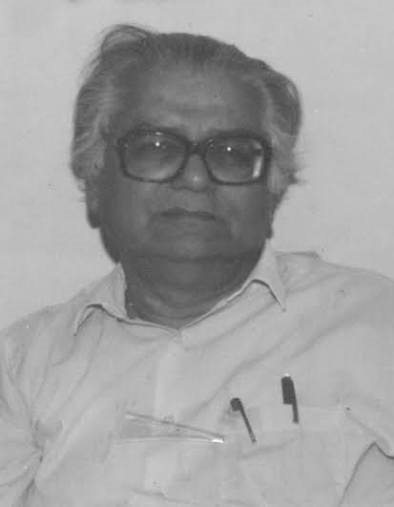
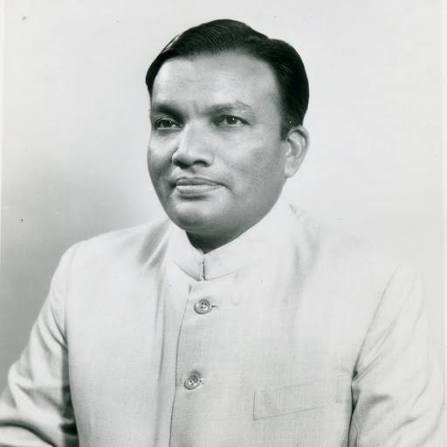
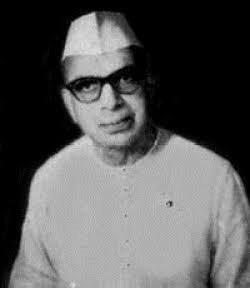
Seth Govind Das (16 October 1896 – 18 June 1974) was a prominent Indian freedom fighter, philanthropist, Hindi writer, and politician. A devoted follower of Mahatma Gandhi, he actively participated in India’s struggle for independence and was imprisoned several times by the British government. After independence, he served as a Member of Parliament for many years and became one of the strongest advocates for making Hindi the official language of India. Through his literary works, social service, and political leadership, Seth Govind Das left a lasting impact on Indian culture and national development.
2. Quick Facts
| Category | Details |
|---|---|
| Full Name | Seth Govind Das |
| Native Name | सेठ गोविन्द दास |
| Date of Birth | 16 October 1896 |
| Place of Birth | Jabalpur, Madhya Pradesh (then Central Provinces, British India) |
| Date of Death | 18 June 1974 |
| Nationality | Indian |
| Occupation / Profession | Freedom Fighter, Politician, Writer, Philanthropist |
| Field of Achievement | Indian Independence Movement, Hindi Literature, Politics |
| Political Party | Indian National Congress |
| Years Active | 1920–1974 |
| Known For | Freedom movement, promotion of Hindi, literary contributions, parliamentary service |
3. Award Information
Seth Govind Das was honored by the Government of India for his outstanding contribution to public affairs, literature, and national service.
| Category | Information |
|---|---|
| Award Name | Padma Bhushan |
| Award Category | Public Affairs / Literature and Education |
| Award Year | 1961 |
| Presented By | Government of India |
| Date of Ceremony | 1961 (official investiture date not widely documented) |
| Citation / Official Reason | Awarded for distinguished contributions to public affairs, Hindi literature, and national service. |
| Previous Recipients (Optional) | Not Applicable |
| Next Recipients | Award conferred annually; no direct successor applies. |
4. Why Did He Receive the Award?
Seth Govind Das received the Padma Bhushan because he:
- Made significant contributions to India’s freedom struggle.
- Promoted Hindi as the official language of India.
- Authored numerous literary works in Hindi.
- Served the nation as a distinguished parliamentarian.
- Worked for education, culture, and social welfare.
- Promoted Indian heritage and national unity.
5. Early Life
Seth Govind Das was born on 16 October 1896 in Jabalpur, Madhya Pradesh, into a wealthy and respected business family. Despite his privileged background, he chose a life of public service over business. Inspired by Mahatma Gandhi and the nationalist movement, he dedicated himself to India’s struggle for independence and the promotion of Indian languages and culture.
6. Education
- Received his early education in Jabalpur.
- Pursued higher studies in literature, history, and Indian culture.
- Though capable of entering the family business, he devoted himself to public service, literature, and the freedom movement.
- Developed deep expertise in Hindi language and Indian philosophy through self-study.
7. Career Journey
Freedom Movement
- Joined the Indian National Congress.
- Participated in:
- Non-Cooperation Movement
- Civil Disobedience Movement
- Quit India Movement
- Imprisoned several times by the British government.
Literary Career
- Authored more than 100 books, including:
- Historical plays
- Novels
- Essays
- Cultural writings
- Played an important role in promoting Hindi literature.
Political Career
After independence:
- Served multiple terms as a Member of Parliament (Lok Sabha).
- Participated in debates on language policy, education, and national development.
- Advocated strongly for Hindi in the Constituent Assembly and Parliament.
Social Service
- Supported educational institutions.
- Encouraged preservation of Indian cultural heritage.
- Promoted libraries and literary organizations.
8. Major Achievements
- Recipient of the Padma Bhushan (1961).
- Active participant in India’s freedom movement.
- Served as a Member of Parliament for many years.
- Wrote over 100 literary works in Hindi.
- Promoted Hindi as India’s official language.
- Encouraged education and cultural preservation.
- Recognized as one of the leading Hindi literary figures of his time.
9. Contribution to the Nation
Freedom Struggle
- Participated in major national movements against British rule.
- Endured imprisonment for India’s independence.
Promotion of Hindi
- Strong advocate for Hindi in public administration.
- Contributed significantly to Hindi literature and language policy.
Parliament
- Helped shape national policies through legislative work.
- Promoted democratic ideals and national integration.
Literature
- Enriched Hindi literature with historical and cultural writings.
- Inspired readers through patriotic themes.
Education and Culture
- Supported educational institutions.
- Encouraged preservation of India’s cultural heritage.
10. Other Awards and Honours
Apart from the Padma Bhushan:
- Honored by several Hindi literary organizations.
- Educational institutions have been named in his memory.
- Remembered through memorial lectures and cultural programs.
- His literary works continue to be studied in universities.
11. Legacy and Influence
Seth Govind Das remains an influential figure because of his:
- Contributions to India’s independence movement.
- Lifelong promotion of Hindi language and literature.
- Commitment to parliamentary democracy.
- Philanthropic support for education and culture.
- Influence on language policy and literary development.
12. Interesting Facts
- He came from one of Jabalpur’s prominent business families but chose public service.
- He was imprisoned several times during the freedom struggle.
- He wrote more than 100 books in Hindi.
- He was one of the strongest supporters of Hindi in independent India.
- He remained active in Parliament for many years.
- He combined politics, literature, and philanthropy throughout his life.
13. Quotes
There are few widely authenticated quotations directly attributed to Seth Govind Das in reliable historical sources. For academic or published work, it is recommended to use quotations from his original speeches or writings.
His public life reflected ideas such as:
“Language is a powerful force for national unity.”
“Freedom finds its true meaning in service to the nation.”
Note: These statements summarize his ideals and should not be presented as verified direct quotations.
14. Timeline
| Year | Event |
|---|---|
| 1896 | Born in Jabalpur, Madhya Pradesh |
| 1920 | Joined the Non-Cooperation Movement |
| 1930 | Participated in the Civil Disobedience Movement |
| 1942 | Took part in the Quit India Movement |
| 1947 | India became independent |
| 1952 | Elected to the Lok Sabha |
| 1961 | Awarded the Padma Bhushan |
| 1974 | Passed away on 18 June |
15. References
- Parliament of India
- Government of India
- Sahitya Akademi
- Standard histories of the Indian independence movement.
- Biographical works on Seth Govind Das and Hindi literature.
16. Related Personalities
- Mahatma Gandhi
- Purushottam Das Tandon
- Rajendra Prasad
- Makhanlal Chaturvedi
- Maithili Sharan Gupt
17. Frequently Asked Questions (FAQs)
1. Who was Seth Govind Das?
Seth Govind Das was an Indian freedom fighter, politician, philanthropist, and Hindi writer who played an important role in the independence movement and the promotion of Hindi.
2. Why is Seth Govind Das famous?
He is known for his participation in the freedom struggle, his long parliamentary career, his advocacy for Hindi as India’s official language, and his extensive literary contributions.
3. When and where was he born?
He was born on 16 October 1896 in Jabalpur, Madhya Pradesh.
4. Which award did Seth Govind Das receive?
He received the Padma Bhushan in 1961 for his distinguished contributions to public affairs, literature, and national service.
5. How many books did Seth Govind Das write?
He authored more than 100 books, including plays, essays, historical works, and other writings in Hindi.
6. What political party did he belong to?
He was a senior leader of the Indian National Congress.
7. What were his major contributions?
His contributions include participation in the freedom movement, promotion of Hindi, parliamentary service, literary writing, and philanthropy.
8. Was he imprisoned during the freedom struggle?
Yes. He was imprisoned several times by the British government for participating in India’s independence movement.
9. When did Seth Govind Das pass away?
He passed away on 18 June 1974.
10. What is Seth Govind Das’s legacy?
He is remembered as a freedom fighter, champion of the Hindi language, prolific author, parliamentarian, and philanthropist whose work continues to influence Indian literature and public life.
About the Author