1. Introduction
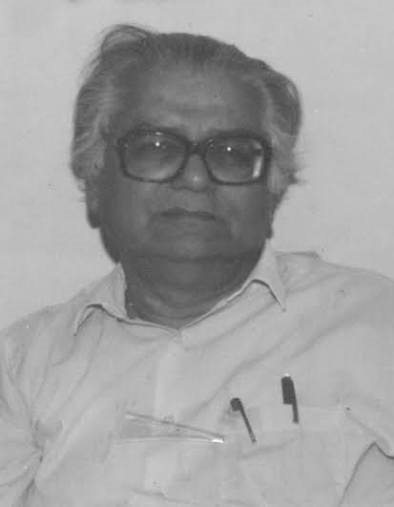
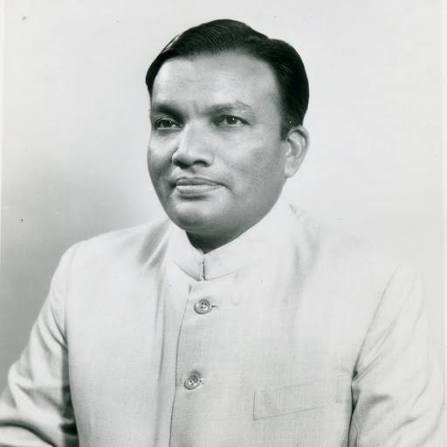
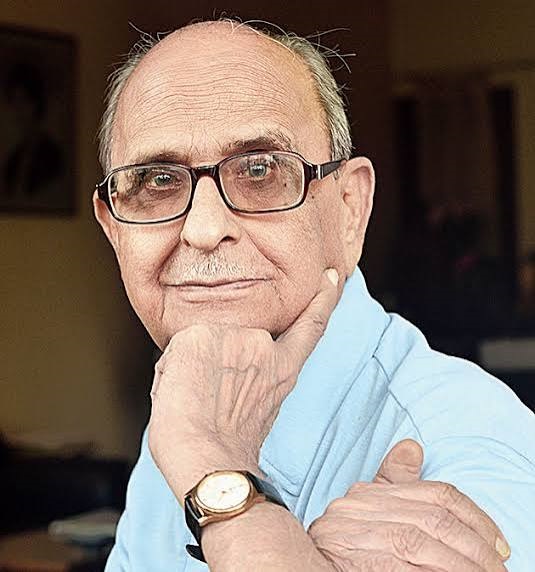
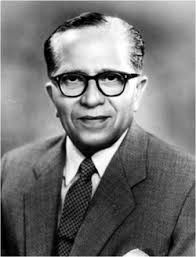
Vithal Nagesh Shirodkar (27 April 1899 – 7 March 1971) was a pioneering Indian obstetrician and gynecologist who made groundbreaking contributions to women’s healthcare. He is internationally renowned for developing the Shirodkar cerclage, a surgical procedure used to prevent pregnancy loss caused by cervical insufficiency. Through decades of clinical practice, medical research, and teaching, Dr. Shirodkar helped transform obstetrics and gynecology in India and abroad. His innovations have saved countless pregnancies and continue to be used by specialists around the world.
2. Quick Facts
| Category | Details |
|---|---|
| Full Name | Vithal Nagesh Shirodkar |
| Native Name | विठ्ठल नागेश शिरोडकर (Marathi) |
| Date of Birth | 27 April 1899 |
| Place of Birth | Shiroda, Goa (then Portuguese India) |
| Date of Death | 7 March 1971 |
| Nationality | Indian |
| Occupation / Profession | Obstetrician, Gynecologist, Surgeon, Medical Researcher, Professor |
| Field of Achievement | Obstetrics and Gynecology |
| Years Active | 1920s–1971 |
| Known For | Shirodkar cerclage, innovations in gynecological surgery, medical education |
3. Award Information
Dr. Vithal Nagesh Shirodkar was recognized by the Government of India for his exceptional contributions to medicine.
| Category | Information |
|---|---|
| Award Name | Padma Bhushan |
| Award Category | Medicine |
| Award Year | 1960 |
| Presented By | Government of India |
| Date of Ceremony | 1960 (official investiture date not widely documented) |
| Citation / Official Reason | Awarded for distinguished contributions to obstetrics, gynecology, medical research, and women’s healthcare. |
| Previous Recipients (Optional) | Not Applicable |
| Next Recipients | Award conferred annually; no direct successor applies. |
4. Why Did He Receive the Award?
Dr. Shirodkar received the Padma Bhushan because he:
- Developed the internationally recognized Shirodkar cerclage procedure for treating cervical insufficiency.
- Advanced surgical techniques in obstetrics and gynecology.
- Improved maternal and fetal healthcare in India.
- Published influential medical research.
- Trained generations of doctors and specialists.
- Enhanced India’s reputation in the field of medical science.
5. Early Life
Vithal Nagesh Shirodkar was born on 27 April 1899 in Shiroda, Goa, then part of Portuguese India. From a young age, he displayed a keen interest in science and medicine. His academic excellence and dedication led him to pursue medical education, where he developed a passion for women’s health and surgery.
6. Education
- Completed his early education in Goa.
- Studied medicine at Grant Medical College, Mumbai.
- Earned his medical qualifications and specialized in obstetrics and gynecology.
- Continued advanced clinical training and surgical practice throughout his career.
7. Career Journey
Early Medical Career
- Began practicing medicine in Mumbai.
- Specialized in obstetrics and gynecology.
- Earned a reputation for exceptional surgical skills.
Academic Career
- Served as Professor of Obstetrics and Gynecology.
- Taught and mentored numerous medical students and specialists.
- Contributed significantly to postgraduate medical education.
Research and Innovation
His research focused on:
- Cervical incompetence
- Female infertility
- Reconstructive gynecological surgery
- Maternal health
- Safe pregnancy management
His most famous innovation, the Shirodkar cerclage, became a standard procedure worldwide for preventing recurrent miscarriages due to cervical insufficiency.
Publications
He authored numerous scientific papers and the influential medical textbook Contributions to Obstetrics and Gynaecology, sharing his surgical techniques and research findings.
8. Major Achievements
- Recipient of the Padma Bhushan (1960).
- Invented the Shirodkar cerclage procedure.
- Internationally recognized authority in obstetrics and gynecology.
- Introduced innovative gynecological surgical techniques.
- Trained generations of Indian gynecologists.
- Published influential medical research and textbooks.
- Helped improve maternal healthcare standards in India.
9. Contribution to the Nation
Women’s Healthcare
- Improved treatment for women with high-risk pregnancies.
- Reduced pregnancy loss through innovative surgical methods.
Medical Education
- Trained many future obstetricians and gynecologists.
- Promoted high standards in medical teaching.
Medical Research
- Advanced understanding of cervical insufficiency and infertility.
- Published research adopted by medical professionals worldwide.
Healthcare Development
- Strengthened obstetric and gynecological practice in India.
- Elevated India’s standing in international medical research.
10. Other Awards and Honours
In addition to the Padma Bhushan:
- Recognized by leading national and international medical societies.
- Honored for excellence in obstetrics and gynecology.
- The Shirodkar cerclage procedure permanently bears his name.
- Remembered through lectures, conferences, and medical training programs dedicated to women’s health.
11. Legacy and Influence
Dr. Shirodkar’s legacy continues through:
- The continued worldwide use of the Shirodkar cerclage.
- His influence on modern obstetric surgery.
- His contributions to maternal and fetal medicine.
- His impact on medical education in India.
- His role in inspiring generations of gynecologists and surgeons.
12. Interesting Facts
- The Shirodkar cerclage remains an important treatment for cervical insufficiency.
- He was among India’s most respected gynecological surgeons.
- His surgical innovations are taught in medical schools around the world.
- He devoted his career to improving maternal and reproductive health.
- His research continues to influence modern obstetrics.
13. Quotes
There are no widely verified, authoritative quotations directly attributed to Dr. Vithal Nagesh Shirodkar in historical records. For academic or published work, it is advisable to quote directly from his published medical writings when available.
His professional philosophy can be summarized as:
“Medical innovation should improve patient care and save lives.”
“Scientific research is essential for advancing women’s health.”
Note: These statements summarize his work and values and should not be presented as verified direct quotations.
14. Timeline
| Year | Event |
|---|---|
| 1899 | Born in Shiroda, Goa |
| 1920s | Completed medical education and began practice |
| 1930s–1950s | Established himself as a leading obstetrician and gynecologist |
| 1950s | Developed the Shirodkar cerclage procedure |
| 1960 | Awarded the Padma Bhushan |
| 1960s | Published major research and trained specialists |
| 1971 | Passed away on 7 March |
15. References
- Grant Medical College
- Government of India
- Medical Council of India
- Standard obstetrics and gynecology textbooks discussing the Shirodkar cerclage.
- Biographical accounts of pioneers in Indian medicine.
16. Related Personalities
- B. C. Roy
- Muthulakshmi Reddy
- Ida Scudder
- Virginia Apgar
- Jivraj Narayan Mehta
17. Frequently Asked Questions (FAQs)
1. Who was Vithal Nagesh Shirodkar?
Vithal Nagesh Shirodkar was an Indian obstetrician, gynecologist, surgeon, and medical researcher known for pioneering advances in women’s healthcare.
2. Why is Dr. Shirodkar famous?
He is internationally known for developing the Shirodkar cerclage, a surgical procedure that helps prevent pregnancy loss caused by cervical insufficiency.
3. When and where was he born?
He was born on 27 April 1899 in Shiroda, Goa, then part of Portuguese India.
4. Which award did Dr. Shirodkar receive?
He received the Padma Bhushan in 1960 for his distinguished contributions to medicine.
5. What is the Shirodkar cerclage?
The Shirodkar cerclage is a surgical technique in which a stitch is placed around the cervix to help prevent premature cervical opening and reduce the risk of miscarriage or preterm birth in selected patients with cervical insufficiency.
6. Where did he study medicine?
He studied at Grant Medical College, Mumbai, where he trained in medicine before specializing in obstetrics and gynecology.
7. What were his major contributions?
His major contributions include inventing the Shirodkar cerclage, advancing gynecological surgery, improving maternal healthcare, conducting influential research, and training future specialists.
8. When did he pass away?
He passed away on 7 March 1971.
9. Why is his work still important today?
His surgical innovations continue to be used worldwide, helping obstetricians manage certain high-risk pregnancies and improving maternal and fetal outcomes.
10. What is Dr. Shirodkar’s legacy?
He is remembered as one of India’s pioneering gynecological surgeons whose research, teaching, and innovations have had a lasting impact on obstetrics and women’s healthcare worldwide.
About the Author