1. Introduction
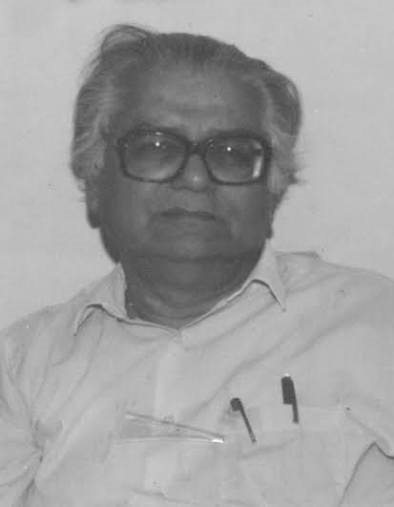
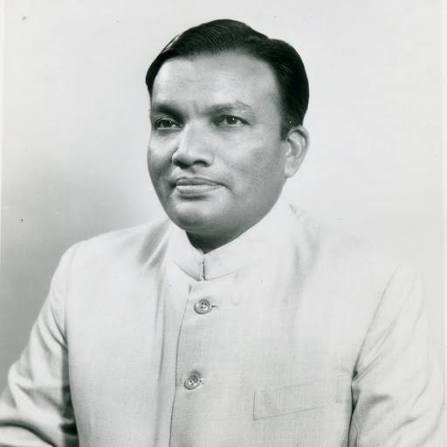
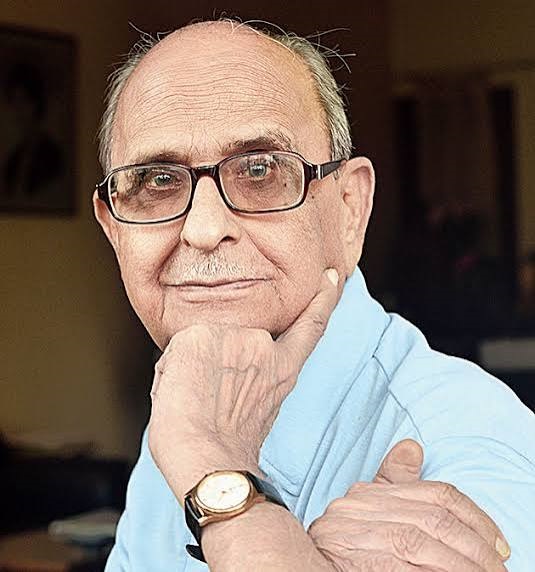
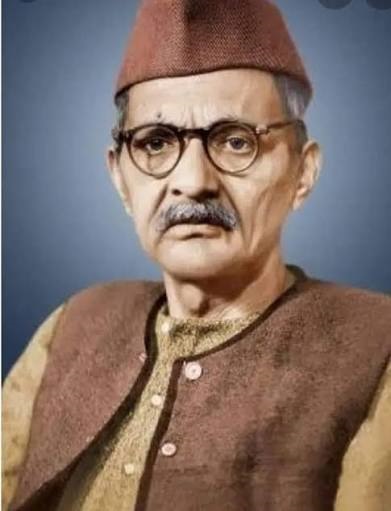
Shivpujan Sahay (9 August 1893 – 21 January 1963) was a renowned Indian Hindi writer, editor, journalist, and educator who made remarkable contributions to modern Hindi literature. He is regarded as one of the pioneers of realistic Hindi prose and is especially remembered for his novel Dehati Duniya, which vividly portrays rural life in India. Through his essays, stories, novels, and editorial work, Shivpujan Sahay enriched Hindi literature and inspired generations of writers. He also played an important role in promoting the Hindi language through journalism and literary organizations.
2. Quick Facts
| Category | Details |
|---|---|
| Full Name | Shivpujan Sahay |
| Native Name | शिवपूजन सहाय |
| Date of Birth | 9 August 1893 |
| Place of Birth | Unwans (also spelled Unvans), Buxar District, Bihar (then Shahabad District, Bengal Presidency, British India) |
| Date of Death | 21 January 1963 |
| Nationality | Indian |
| Occupation / Profession | Writer, Novelist, Journalist, Editor, Educator |
| Field of Achievement | Hindi Literature, Journalism |
| Years Active | 1915–1963 |
| Known For | Dehati Duniya, Hindi journalism, literary editing |
3. Award Information
Shivpujan Sahay received one of India’s highest literary recognitions for his lifelong contribution to Hindi literature.
| Category | Information |
|---|---|
| Award Name | Padma Bhushan |
| Award Category | Literature and Education |
| Award Year | 1960 |
| Presented By | Government of India |
| Date of Ceremony | 1960 (official investiture date not widely documented) |
| Citation / Official Reason | Awarded for his outstanding contribution to Hindi literature, journalism, and education. |
| Previous Recipients (Optional) | Not Applicable |
| Next Recipients | Award conferred annually; no direct successor applies. |
4. Why Did He Receive the Award?
Shivpujan Sahay was awarded the Padma Bhushan because:
- He made exceptional contributions to Hindi literature.
- His writings realistically depicted Indian rural life.
- He strengthened Hindi journalism through editorial leadership.
- He mentored many emerging Hindi writers.
- He promoted Hindi language and literary culture through education and publishing.
- His literary works had a lasting influence on modern Hindi prose.
5. Early Life
Shivpujan Sahay was born on 9 August 1893 in Unwans village in present-day Buxar District, Bihar. He came from a modest family and developed an interest in literature from an early age. Growing up in a rural environment deeply influenced his writing, which often portrayed village life, traditions, and the struggles of ordinary people.
6. Education
- Received his early education in Bihar.
- Studied Hindi, Sanskrit, and Urdu.
- Although he did not pursue extensive formal higher education, he became a highly respected scholar through self-study and literary practice.
- Developed expertise in literature, journalism, and editing through practical experience.
7. Career Journey
Early Career
- Began working as a teacher.
- Entered journalism and literary editing in the early 20th century.
Journalism
- Edited several influential Hindi literary magazines and newspapers.
- Worked with prominent Hindi publications that helped shape modern Hindi literature.
- Encouraged young writers and maintained high editorial standards.
Literary Career
His literary contributions include:
- Novels
- Short stories
- Essays
- Memoirs
- Literary criticism
- Editorial writings
His best-known novel, Dehati Duniya, is considered a landmark in Hindi literature for its realistic portrayal of rural India.
Literary Leadership
He served in important literary institutions and contributed significantly to the development of Hindi as a modern literary language.
8. Major Achievements
- Recipient of the Padma Bhushan (1960).
- Authored the classic Hindi novel Dehati Duniya.
- One of the pioneers of realistic Hindi prose.
- Influential editor of major Hindi literary journals.
- Mentor to several celebrated Hindi writers.
- Promoted Hindi language and literature across India.
- Contributed to literary criticism and language development.
9. Contribution to the Nation
Development of Hindi Literature
- Modernized Hindi prose through realistic storytelling.
- Highlighted social issues affecting rural India.
Journalism
- Strengthened standards in Hindi journalism.
- Encouraged quality literary publications.
Education
- Promoted reading and literary education.
- Inspired students and young authors.
Cultural Preservation
- Documented rural customs, traditions, and values.
- Preserved aspects of Indian village life through literature.
Literary Mentorship
- Guided and encouraged many future literary figures.
10. Other Awards and Honours
Besides the Padma Bhushan:
- Honored by numerous Hindi literary organizations.
- Remembered through memorial lectures and literary events.
- Educational institutions and libraries commemorate his contributions.
- His works continue to be included in university curricula across India.
11. Legacy and Influence
Shivpujan Sahay is remembered as one of the architects of modern Hindi prose. His writings continue to influence:
- Hindi novelists
- Journalists
- Literary critics
- Students of Hindi literature
- Researchers studying rural Indian society
His realistic approach to storytelling helped establish a new direction in Hindi fiction.
12. Interesting Facts
- He was popularly known as a master editor in Hindi journalism.
- His novel Dehati Duniya remains one of the classics of Hindi literature.
- He mentored many well-known Hindi writers.
- Rural India was the central theme of much of his writing.
- He believed literature should reflect ordinary people’s lives.
- He was honored with the Padma Bhushan shortly before his death.
13. Quotes
There are few widely verified direct quotations from Shivpujan Sahay in authoritative sources. For published or academic work, it is advisable to use quotations taken directly from his original writings.
His literary philosophy may be summarized as:
“Literature should mirror the life of ordinary people.”
“Language becomes meaningful when it reflects society.”
Note: These statements reflect the themes of his work and should not be presented as verified direct quotations.
14. Timeline
| Year | Event |
|---|---|
| 1893 | Born in Unwans, Bihar |
| 1915 | Began teaching and literary activities |
| 1920s | Entered Hindi journalism and editing |
| 1926 | Published Dehati Duniya |
| 1930s–1950s | Edited leading Hindi literary journals and mentored writers |
| 1960 | Awarded the Padma Bhushan |
| 1963 | Passed away on 21 January |
15. References
- Sahitya Akademi
- Government of India
- Bihar Rashtrabhasha Parishad
- Standard histories of Hindi literature.
- Biographical studies on Shivpujan Sahay and modern Hindi prose.
16. Related Personalities
- Premchand
- Mahadevi Varma
- Ramdhari Singh Dinkar
- Hazari Prasad Dwivedi
- Jainendra Kumar
17. Frequently Asked Questions (FAQs)
1. Who was Shivpujan Sahay?
Shivpujan Sahay was an Indian Hindi writer, editor, journalist, and educator known for his pioneering contributions to modern Hindi literature.
2. Why is Shivpujan Sahay famous?
He is best known for his novel Dehati Duniya, his influential editorial work, and his role in promoting Hindi literature and journalism.
3. When and where was he born?
He was born on 9 August 1893 in Unwans village, Buxar District, Bihar.
4. Which award did Shivpujan Sahay receive?
He received the Padma Bhushan in 1960 for his contributions to literature and education.
5. What is Dehati Duniya?
Dehati Duniya is Shivpujan Sahay’s most celebrated novel, depicting the social and cultural life of rural India with realism.
6. What was his profession?
He was a writer, novelist, journalist, editor, and educator.
7. What were his major contributions?
His contributions include developing modern Hindi prose, strengthening Hindi journalism, mentoring writers, and promoting Hindi language and literature.
8. When did he pass away?
He passed away on 21 January 1963.
9. Why is Shivpujan Sahay important in Hindi literature?
He introduced realistic rural themes into Hindi prose, raised editorial standards, and helped shape modern Hindi literary culture.
10. What is his legacy?
His works remain widely studied in schools and universities, and he is remembered as one of the foremost pioneers of modern Hindi literature.
About the Author