1. Introduction
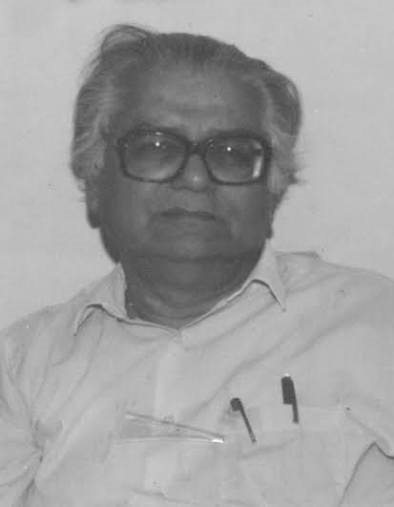
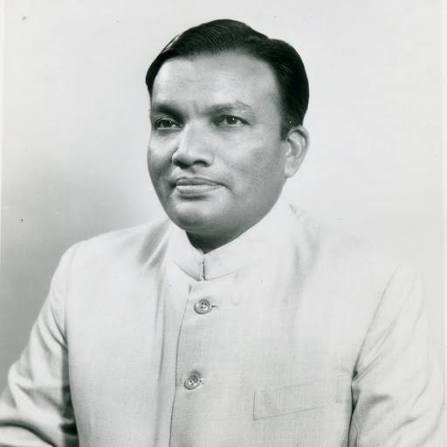
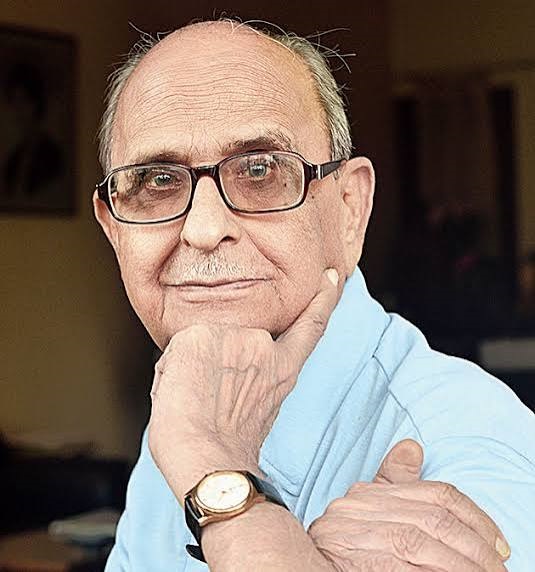
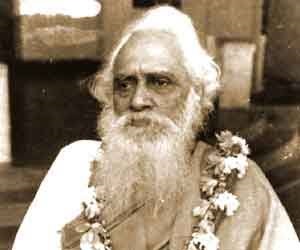
Pandit Nilakantha Das (1884–1967) was a renowned Indian freedom fighter, educationist, philosopher, writer, social reformer, legislator, and one of the architects of modern Odisha. He played a leading role in the movement for the unification of Odia-speaking regions, promoted social reform, and made lasting contributions to Odia literature and education. In recognition of his distinguished public service, he was awarded the Padma Bhushan in 1957 in the field of Public Affairs.
2. Quick Facts
| Particular | Details |
|---|---|
| Full Name | Pandit Nilakantha Das |
| Native Name | ପଣ୍ଡିତ ନୀଳକଣ୍ଠ ଦାସ |
| Date of Birth | 5 August 1884 |
| Place of Birth | Sriramchandrapur, Puri District, Odisha, India |
| Nationality | Indian |
| Profession | Freedom Fighter, Educationist, Writer, Philosopher, Politician |
| Field of Achievement | Public Affairs, Literature, Education, Social Reform |
| Years Active | 1903–1964 |
| Date of Death | 6 November 1967 |
| Place of Death | Cuttack, Odisha, India |
3. Award Information
| Category | Details |
|---|---|
| Award Name | Padma Bhushan |
| Award Category | Public Affairs |
| Award Year | 1957 |
| Presented By | President of India, Dr. Rajendra Prasad |
| Date of Ceremony | 1957 (presented personally at his residence in Bhubaneswar as he could not travel to Delhi) |
| Official Citation | Distinguished contributions to public affairs, education, literature, and national service |
| Previous Recipients | Not applicable (Padma Awards are not sequential) |
| Next Recipients | Not applicable |
4. Why Did He Receive the Padma Bhushan?
Nilakantha Das received the Padma Bhushan for his lifelong contributions to:
- India’s freedom movement.
- Formation and unification of Odisha.
- Development of Odia language and literature.
- Educational reforms through the Satyabadi movement.
- Social reforms, including campaigns against untouchability.
- Distinguished service as a legislator and Speaker of the Odisha Legislative Assembly.
5. Early Life
Nilakantha Das was born on 5 August 1884 in Sriramchandrapur, near Sakhigopal in present-day Odisha. His father, Ananda Das, was a respected landholder, while his mother, Hira Devi, was known for her religious values. From childhood, he excelled in academics, particularly Sanskrit and philosophy.
6. Education
He completed:
- Early education at the village school.
- Schooling at Puri Zilla School.
- Bachelor’s degree from Ravenshaw College, Cuttack.
- Master’s degree (M.A.) in Philosophy from University of Calcutta.
His academic brilliance earned him an honorary Doctor of Letters (D.Litt.) from Utkal University in 1955.
7. Career Journey
His remarkable career included:
- Headmaster of Satyabadi High School.
- Professor of Odia and Philosophy.
- Active participation in the Non-Cooperation Movement.
- Member of the Central Legislative Assembly.
- President of the Utkal Congress.
- Speaker of the Odisha Legislative Assembly (1957–1961).
- Pro-Chancellor of Utkal University (1955–1962).
- First President of the Odisha Sahitya Akademi.
8. Major Achievements
His notable achievements include:
- Leadership in the movement for a separate Odisha state.
- Promotion of Odia language and culture.
- Authored influential works including:
- Odia Sahityara Krama Parinama
- Konarke
- Gita Prabesha
- Atma Jibanee (Autobiography)
- Edited journals such as Naba Bharat, Seva, and Lokamata.
- Inspired generations through education and public service.
9. Contribution to the Nation
Nilakantha Das made enduring contributions by:
- Participating actively in India’s freedom struggle.
- Working for the creation of Odisha as a separate linguistic state.
- Reforming education through the Satyabadi movement.
- Fighting social evils such as untouchability.
- Strengthening democratic institutions through legislative service.
- Enriching Odia literature and philosophy.
10. Other Awards and Honours
Apart from the Padma Bhushan, he received:
- Honorary D.Litt. from Utkal University (1955).
- Sahitya Akademi Award for Atma Jibanee.
- Honorary title Utkala Guru, bestowed in recognition of his scholarship and service.
- First President of the Odisha Sahitya Akademi.
11. Legacy and Influence
Nilakantha Das is remembered as one of the builders of modern Odisha. His work continues to influence:
- Odia literature.
- Educational philosophy.
- Social reform movements.
- Public administration.
- Regional identity and cultural preservation.
His speeches, writings, and public service remain important references in Odisha’s political and literary history.
12. Interesting Facts
- He declined a lucrative British government job to become a teacher.
- He was imprisoned multiple times during the freedom struggle.
- He received the Padma Bhushan personally from President Dr. Rajendra Prasad at his residence because he was unable to travel.
- He was called “Utkala Guru” for his immense scholarship.
- He combined careers as a teacher, philosopher, freedom fighter, legislator, and prolific author.
13. Quotes
There are no widely verified quotations directly attributed to Nilakantha Das in authoritative published sources. For factual accuracy, it is advisable not to attribute unverified quotes to him.
14. Timeline
| Year | Event |
|---|---|
| 1884 | Born in Sriramchandrapur, Puri |
| 1911 | Completed M.A. in Philosophy and joined Satyabadi School |
| 1921 | Joined the Non-Cooperation Movement |
| 1923 | Elected to the Central Legislative Assembly |
| 1934 | Became President of Utkal Congress |
| 1955 | Received honorary D.Litt. from Utkal University |
| 1955–1962 | Served as Pro-Chancellor, Utkal University |
| 1957 | Awarded the Padma Bhushan; became Speaker of Odisha Legislative Assembly |
| 1958 | First President of Odisha Sahitya Akademi |
| 1963 | Received Sahitya Akademi Award for Atma Jibanee |
| 1967 | Passed away in Cuttack |
15. References
- Government of Odisha – Nilakantha Das.
- Wikipedia – Nilakantha Das.
- Parliament of India – Eminent Parliamentarians: Pandit Nilakantha Das.
- Odisha Review – Nilakantha Das.
16. Related Personalities
- Gopabandhu Das
- Godabarish Mishra
- Madhusudan Das
- Subhas Chandra Bose
- Rajendra Prasad
17. Frequently Asked Questions (FAQ)
1. Who was Nilakantha Das?
He was an Indian freedom fighter, educationist, philosopher, writer, and politician who played a major role in shaping modern Odisha.
2. Why is Nilakantha Das famous?
He is remembered for his contributions to the freedom movement, Odia literature, educational reforms, and the creation of Odisha as a separate linguistic state.
3. Which Padma Award did Nilakantha Das receive?
He received the Padma Bhushan in 1957 for his distinguished service in Public Affairs.
4. What are some of his famous books?
His important works include Odia Sahityara Krama Parinama, Konarke, Gita Prabesha, and Atma Jibanee.
5. What title was Nilakantha Das popularly known by?
He was widely honored with the title “Utkala Guru” for his scholarship and service to Odisha.
6. When did Nilakantha Das pass away?
He died on 6 November 1967 in Cuttack, Odisha.
About the Author