1. Introduction
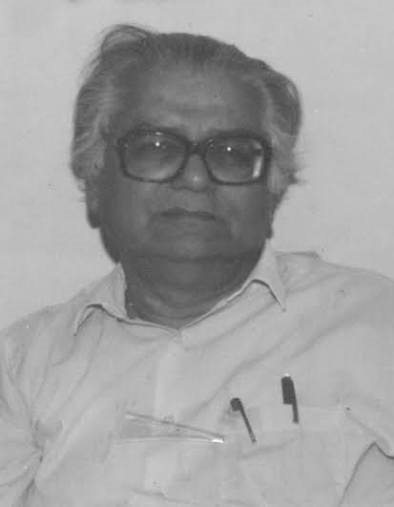
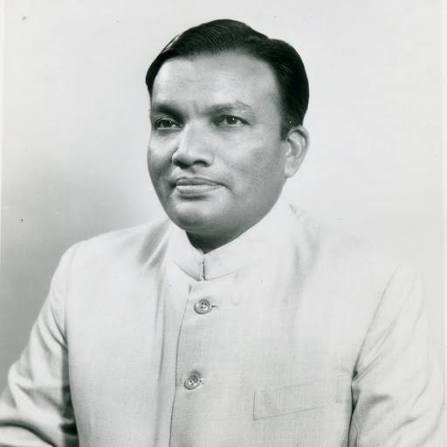
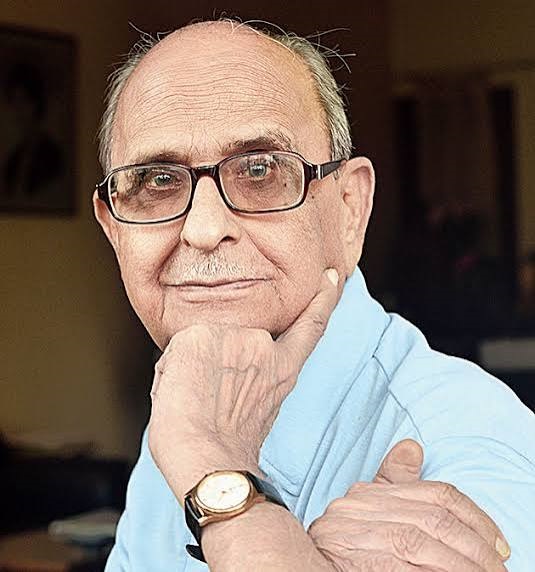
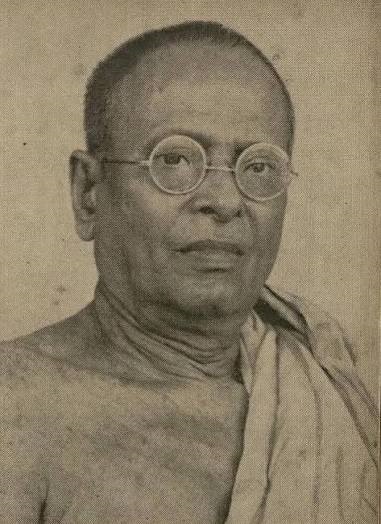
Haridas Siddhanta Bagish (also spelled Haridas Siddhantavagish or Haridas Siddhanta Vagish) was one of India’s greatest Sanskrit scholars, writers, editors, and translators. He devoted his life to preserving and popularizing classical Sanskrit literature by translating and editing major works such as the Mahabharata, Meghaduta, and Abhijnana Shakuntalam into Bengali. His lifelong contribution to Indian literature and Sanskrit studies earned him the Padma Bhushan in 1960, India’s third-highest civilian award.
2. Quick Facts
| Particular | Details |
|---|---|
| Full Name | Haridas Siddhanta Bagish (Haridas Siddhantavagish) |
| Native Name | হরিদাস সিদ্ধান্তবাগীশ |
| Date of Birth | 22 October 1876 |
| Place of Birth | Unashia Village, Faridpur District (now in Bangladesh) |
| Nationality | Indian |
| Profession | Sanskrit Scholar, Writer, Translator, Editor |
| Field of Achievement | Sanskrit Literature, Bengali Literature, Translation |
| Years Active | Early 1900s – 1961 |
| Died | 1961 |
3. Award Information
| Category | Details |
|---|---|
| Award Name | Padma Bhushan |
| Award Category | Literature & Education |
| Award Year | 1960 |
| Presented By | Government of India |
| Date of Ceremony | 1960 (exact ceremony date not widely documented) |
| Official Citation | For outstanding contributions to Sanskrit scholarship, literature, editing, and translation |
| Previous Recipient | Not applicable (Padma Awards are not sequential) |
| Next Recipient | Not applicable |
4. Why Did He Receive the Padma Bhushan?
Haridas Siddhanta Bagish received the Padma Bhushan because of his extraordinary service to Indian literature and Sanskrit studies. His most significant achievements include:
- Translating the Mahabharata into Bengali with the original Sanskrit text.
- Editing numerous Sanskrit classics.
- Making ancient Indian scriptures accessible to ordinary readers.
- Promoting Sanskrit education for several decades.
- Preserving India’s literary and cultural heritage.
These contributions made him one of the foremost Sanskrit scholars of the twentieth century.
5. Early Life
Haridas Siddhanta Bagish was born on 22 October 1876 in Unashia village of Faridpur district (present-day Bangladesh). He belonged to a family of distinguished Sanskrit scholars. His father, Gangadhar Vidyalankar, and grandfather, Kashichandra Vachaspati, were respected teachers of Sanskrit, and they provided his earliest education.
6. Education
He received traditional Sanskrit education and earned several prestigious scholarly titles:
- Sabdacharya
- Vyakarantirtha
- Kavyatirtha
- Sangkhyaratna
- Puranshastri
- Siddhantavagish
He studied grammar, poetry, philosophy, Puranas, Smriti literature, and related subjects under renowned Sanskrit scholars in Faridpur and Kolkata.
7. Career Journey
His career included several important roles:
- Court scholar in the princely state of Tripura.
- Teacher at Arya Vidyalaya, Kotalipara.
- Teacher at Nakipur Sanskrit School.
- Founder of a printing press dedicated to Sanskrit publications.
- Editor and publisher of classical Sanskrit texts.
- Translator of India’s great epics into Bengali.
His publications became standard references for scholars and students alike.
8. Major Achievements
Some of his greatest achievements include:
- Multi-volume Bengali translation of the Mahabharata with original Sanskrit text.
- Edited Meghaduta.
- Edited Abhijnana Shakuntalam.
- Edited Raghuvamsha.
- Edited Mudrarakshasa.
- Authored Rukminiharan Mahakavya.
- Authored Shivajicharita.
- Wrote Smritichintamani.
- Wrote Kavyakaumudi.
He also edited around fifteen important Sanskrit works.
9. Contribution to the Nation
Haridas Siddhanta Bagish contributed significantly by:
- Preserving India’s Sanskrit heritage.
- Translating classical literature for Bengali readers.
- Inspiring future Sanskrit scholars.
- Promoting Indian philosophy and culture.
- Supporting Sanskrit education through philanthropy, including donations to the University of Calcutta for student medals.
10. Other Awards and Honours
Besides the Padma Bhushan, he received:
- Mahamahopadhyay (1933)
- Rabindra Puraskar (1961)
- Mahakavi
- Bharatacharya
- Mahopadeshak
- Civic Reception by the Calcutta Corporation (1960)
- Order of Merit from the Government of India
11. Legacy and Influence
Haridas Siddhanta Bagish remains one of India’s greatest Sanskrit scholars. His editions and translations continue to be used by:
- Universities
- Sanskrit colleges
- Researchers
- Bengali literature students
- Historians
His work helped bridge classical Sanskrit literature and modern Bengali readers, ensuring these texts remained accessible to future generations.
12. Interesting Facts
- He translated the Mahabharata into Bengali while preserving the original Sanskrit text.
- He belonged to a family of Sanskrit scholars.
- He established his own printing press.
- He was Vice-President of the Bangiya Sahitya Parishad (1935–36).
- He was honored with both state and national literary recognitions.
13. Quotes
No widely authenticated personal quotations by Haridas Siddhanta Bagish are available in reliable published sources. For factual accuracy, it is best not to attribute unverified quotations to him.
14. Timeline
| Year | Event |
|---|---|
| 1876 | Born in Unashia, Faridpur |
| Early 1900s | Became Sanskrit scholar and teacher |
| 1910 | Published Rukminiharan Mahakavya |
| 1925–1950 | Published Bengali translation of the Mahabharata |
| 1933 | Awarded the title Mahamahopadhyay |
| 1935–36 | Vice-President, Bangiya Sahitya Parishad |
| 1960 | Received the Padma Bhushan |
| 1961 | Received the Rabindra Puraskar and passed away |
15. References
16. Related Personalities
- Kalidasa
- Vyasa
- Rabindranath Tagore
- Ishwar Chandra Vidyasagar
17. Frequently Asked Questions (FAQ)
1. Who was Haridas Siddhanta Bagish?
He was an Indian Sanskrit scholar, writer, editor, and translator best known for translating and editing classical Sanskrit works into Bengali.
2. Why is Haridas Siddhanta Bagish famous?
He is famous for his Bengali translation of the Mahabharata and his scholarly editions of Sanskrit classics.
3. Which award did Haridas Siddhanta Bagish receive?
He received the Padma Bhushan in 1960 for his contributions to literature and education.
4. What was his profession?
He was a Sanskrit scholar, author, editor, translator, and teacher.
5. When was he born?
He was born on 22 October 1876.
6. Which books did he edit or translate?
Notable works include the Mahabharata, Meghaduta, Abhijnana Shakuntalam, Raghuvamsha, and Mudrarakshasa.
7. When did he receive the Padma Bhushan?
He received the award in 1960.
This structure is suitable for a detailed blog post and includes factual information supported by reliable references.
About the Author