
1. Introduction
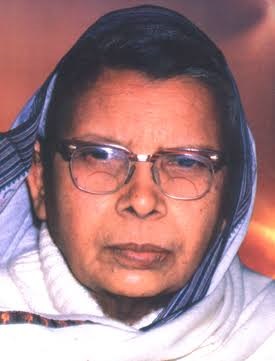
Mahadevi Varma (26 March 1907 – 11 September 1987) was one of the greatest Hindi poets, essayists, educationists, and social reformers of modern India. She is regarded as one of the four major pillars of the Chhayavad (Romanticism) movement in Hindi literature and is often referred to as the “Modern Meera” for the spiritual depth and lyrical beauty of her poetry. Besides her literary achievements, she was a prominent advocate for women’s education, animal welfare, and India’s freedom movement. In recognition of her outstanding contributions to literature and education, the Government of India awarded her the Padma Bhushan in 1956. She later received the Padma Vibhushan posthumously in 1988.
2. Quick Facts
| Item | Details |
|---|---|
| Full Name | Mahadevi Varma |
| Native Name | महादेवी वर्मा (Hindi) |
| Date of Birth | 26 March 1907 |
| Place of Birth | Farrukhabad, United Provinces, British India (present-day Uttar Pradesh, India) |
| Date of Death | 11 September 1987 |
| Nationality | Indian |
| Occupation / Profession | Poet, Essayist, Educationist, Freedom Fighter, Translator |
| Field of Achievement | Hindi Literature, Education, Women’s Rights |
| Years Active | 1920s–1987 |
| Known For | Chhayavad poetry, women’s empowerment, Hindi literature |
3. Award Information
| Item | Details |
|---|---|
| Award Name | Padma Bhushan |
| Award Category | Literature & Education |
| Award Year | 1956 |
| Presented By | President of India |
| Date of Ceremony | 26 January 1956 (award announced; investiture held later) |
| Official Citation / Reason | Distinguished contribution to Hindi literature, education, and public service |
| Previous Recipients | Not applicable (annual civilian honour) |
| Next Recipients | The Padma Bhushan continued to be awarded annually to other distinguished personalities |
4. Why Did Mahadevi Varma Receive the Award?
Mahadevi Varma received the Padma Bhushan for her exceptional contributions to:
- Hindi poetry and literature.
- Promotion of women’s education.
- Social reform and women’s rights.
- Literary criticism and translation.
- Public service through education and cultural development.
Her writings transformed modern Hindi literature and inspired generations of readers and writers.
5. Early Life
Mahadevi Varma was born on 26 March 1907 in Farrukhabad, Uttar Pradesh, into an educated and progressive family. Her father, Govind Prasad Varma, was a professor, while her mother, Hem Rani Devi, was deeply religious and encouraged literature and music.
She displayed extraordinary literary talent from childhood and began writing poetry at a young age.
6. Education
Mahadevi Varma received her early education at Crosthwaite Girls’ School in Allahabad (now Prayagraj). She later graduated from University of Allahabad with a Bachelor’s degree in Sanskrit and earned a Master’s degree in Sanskrit.
She later became closely associated with women’s education and academic administration.
7. Career Journey
Literary Career
- Began publishing poems in the 1920s.
- Became one of the leading poets of the Chhayavad movement.
- Wrote poetry, essays, memoirs, sketches, and children’s literature.
- Edited influential Hindi literary magazines.
Educational Career
- Served as Principal of Prayag Mahila Vidyapeeth.
- Later became its Vice-Chancellor.
- Dedicated her life to promoting women’s education.
Social Work
- Participated in India’s freedom movement.
- Worked for women’s empowerment.
- Advocated animal welfare and compassionate treatment of animals.
8. Major Achievements
- One of the four pillars of the Chhayavad movement.
- Known as the Modern Meera of Hindi literature.
- Authored classic poetry collections including:
- Yama
- Nihar
- Rashmi
- Neerja
- Sandhyageet
- Wrote celebrated prose works such as:
- Ateet Ke Chalchitra
- Smriti Ki Rekhayen
- Mera Parivar
- Promoted women’s education through Prayag Mahila Vidyapeeth.
- Inspired generations of Hindi writers.
9. Contribution to the Nation
Mahadevi Varma contributed to India by:
- Enriching Hindi literature through poetry and prose.
- Promoting women’s education.
- Supporting India’s cultural and literary heritage.
- Advocating gender equality.
- Encouraging compassion toward animals.
- Inspiring freedom, social justice, and human values through literature.
Her literary works remain an essential part of Hindi education across India.
10. Other Awards and Honours
Besides the Padma Bhushan (1956), Mahadevi Varma received numerous prestigious honours:
- Sahitya Akademi Fellowship (1979)
- Jnanpith Award (1982)
- Bharat Bharati Award
- Padma Vibhushan (1988, posthumously)
11. Legacy and Influence
Mahadevi Varma’s legacy continues through:
- Her timeless poetry.
- Her influence on modern Hindi literature.
- Women’s education initiatives.
- Literary criticism and translation.
- Inspiration for poets, teachers, and social reformers.
She remains one of the most respected literary figures in India.
12. Interesting Facts
- She is called the Modern Meera because of her deeply spiritual poetry.
- She started writing poetry at an early age.
- She spent much of her life promoting women’s education.
- She loved animals and wrote moving essays about them.
- She remained active in literature for over six decades.
- Many of her poems are included in Indian school and university curricula.
13. Quotes
One of Mahadevi Varma’s best-known quotations is:
“मैं नीर भरी दुख की बदली।”
(“I am a rain cloud filled with the waters of sorrow.”)
This famous opening line from her poem has become one of the most recognized verses in modern Hindi literature.
Another well-known quote attributed to her is:
“साहित्य समाज का दर्पण ही नहीं, उसका निर्माता भी है।”
(“Literature is not only the mirror of society but also its creator.”)
14. Timeline
| Year | Event |
|---|---|
| 1907 | Born in Farrukhabad |
| 1920s | Began publishing poetry |
| 1930 | Published Nihar |
| 1932 | Published Rashmi |
| 1934 | Published Neerja |
| 1942 | Published Deepshikha |
| 1956 | Awarded the Padma Bhushan |
| 1979 | Received the Sahitya Akademi Fellowship |
| 1982 | Received the Jnanpith Award |
| 1987 | Passed away on 11 September |
| 1988 | Awarded the Padma Vibhushan posthumously |
15. References
- Sahitya Akademi – Official profile and publications.
- University of Allahabad – Alumni information.
- Government of India Padma Awards archives.
- Biographies and collected works of Mahadevi Varma.
- Publications on the Chhayavad movement and modern Hindi literature.
16. Related Personalities
- Jaishankar Prasad
- Sumitranandan Pant
- Suryakant Tripathi Nirala
- Subhadra Kumari Chauhan
- Ramdhari Singh Dinkar
17. Frequently Asked Questions (FAQ)
Q1. Who was Mahadevi Varma?
Mahadevi Varma was an Indian poet, essayist, educationist, and social reformer, regarded as one of the greatest figures in modern Hindi literature.
Q2. When was Mahadevi Varma born?
She was born on 26 March 1907 in Farrukhabad, Uttar Pradesh.
Q3. Which award did Mahadevi Varma receive in 1956?
She received the Padma Bhushan for her distinguished contributions to literature and education.
Q4. Why is Mahadevi Varma called the “Modern Meera”?
She earned the title because her poetry reflects deep spirituality, devotion, emotional intensity, and lyrical beauty, reminiscent of the medieval saint-poet Meera Bai.
Q5. What are Mahadevi Varma’s most famous works?
Her best-known works include Yama, Nihar, Rashmi, Neerja, Sandhyageet, Deepshikha, Mera Parivar, and Ateet Ke Chalchitra.
Q6. Which major literary awards did she receive?
She received the Padma Bhushan (1956), Sahitya Akademi Fellowship (1979), Jnanpith Award (1982), and the Padma Vibhushan (1988, posthumously).
Q7. When did Mahadevi Varma die?
She passed away on 11 September 1987.
Q8. What is Mahadevi Varma’s legacy?
Mahadevi Varma is remembered as one of India’s greatest Hindi poets, a pioneer of women’s education, a champion of social reform, and a leading voice of the Chhayavad literary movement. Her works continue to inspire readers, scholars, and writers across generations.
About the Author