
1. Introduction
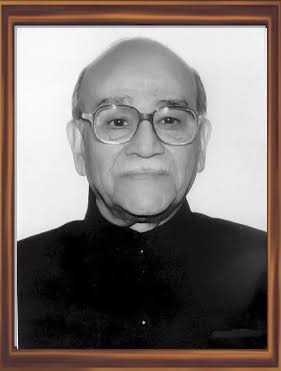
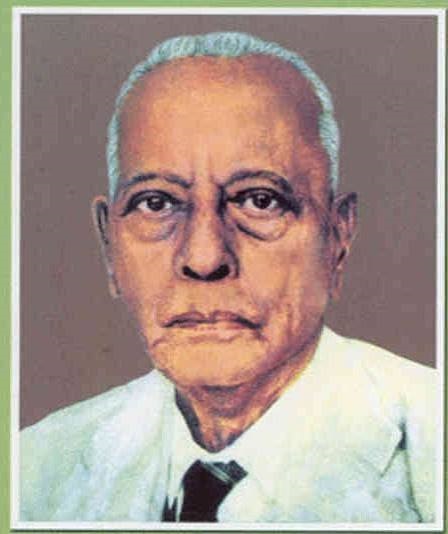
Prana Krushna Parija (11 June 1891 – 25 June 1978), popularly known as Dr. P. K. Parija, was a distinguished Indian botanist, educationist, agricultural scientist, and writer. He is widely regarded as one of the pioneers of modern botanical research and agricultural education in India, particularly in the state of Odisha. His groundbreaking work in plant pathology, mycology (the study of fungi), and crop diseases significantly advanced agricultural science in the country.
Dr. Parija served as the Vice-Chancellor of Utkal University, where he played a key role in expanding higher education and scientific research. He also authored numerous scientific papers and popular science books in both English and Odia. In recognition of his exceptional contributions to science and education, the Government of India honoured him with the Padma Bhushan in 1955, India’s third-highest civilian award.
2. Quick Facts
| Particular | Details |
|---|---|
| Full Name | Prana Krushna Parija |
| Popular Name | Dr. P. K. Parija |
| Native Name | ପ୍ରାଣ କୃଷ୍ଣ ପରିଜା (Odia) |
| Date of Birth | 11 June 1891 |
| Place of Birth | Sakhigopal, Puri district, Odisha, British India |
| Date of Death | 25 June 1978 |
| Place of Death | Bhubaneswar, Odisha, India |
| Nationality | Indian |
| Occupation / Profession | Botanist, Agricultural Scientist, Professor, Educationist, Writer |
| Field of Achievement | Botany, Plant Pathology, Mycology, Agricultural Science, Higher Education |
| Years Active | 1918–1978 |
| Known For | Pioneer of botanical research and agricultural education in Odisha |
| Alma Mater | Ravenshaw College; University of London |
3. Award Information
Award Name
Padma Bhushan
Award Category
Science and Engineering
Award Year
1955
Presented By
President of India, on behalf of the Government of India.
Date of Ceremony
The Padma Awards for 1955 were announced on 26 January 1955, and the investiture ceremony was held later that year at Rashtrapati Bhavan, New Delhi.
Citation / Official Reason
Dr. Parija received the Padma Bhushan for his distinguished contributions to botany, plant pathology, agricultural science, scientific research, and higher education in India.
Previous Recipients (Optional)
The Padma Bhushan is awarded to multiple individuals annually; therefore, there is no single previous recipient.
Next Recipients
The honour continued to be awarded annually to distinguished personalities from science, education, public affairs, arts, and other fields.
4. Why Did He Receive the Award?
Prana Krushna Parija was awarded the Padma Bhushan because of his remarkable contributions to Indian science and education.
His achievements include:
- Pioneering research in plant pathology and mycology.
- Improving knowledge of crop diseases affecting Indian agriculture.
- Promoting scientific farming practices.
- Strengthening botanical education and research.
- Expanding higher education as Vice-Chancellor of Utkal University.
- Encouraging scientific writing in the Odia language.
- Mentoring generations of botanists and agricultural scientists.
His work helped improve agricultural productivity and scientific education in India.
5. Early Life
Prana Krushna Parija was born on 11 June 1891 in Sakhigopal, near Puri, in present-day Odisha. He grew up in a family that valued education and learning. From an early age, he showed a strong interest in nature, plants, and science, which later shaped his career as a botanist.
His academic excellence enabled him to pursue higher education in India and later in the United Kingdom.
6. Education
Dr. Parija received an outstanding education in botany and biological sciences.
Educational Qualifications
- Early education in Odisha.
- Graduated from Ravenshaw College, Cuttack.
- Pursued higher studies at the University of London.
- Earned advanced degrees in Botany and Plant Pathology.
- Conducted specialized research on fungi and plant diseases.
His overseas education exposed him to modern scientific methods, which he later introduced in India.
7. Career Journey
Early Academic Career
After completing his studies, Dr. Parija returned to India and joined Ravenshaw College as a professor of botany.
Research Career
He carried out pioneering research in:
- Plant pathology
- Mycology
- Agricultural botany
- Crop disease management
Educational Leadership
His leadership roles included:
- Professor of Botany.
- Principal of Ravenshaw College.
- Vice-Chancellor of Utkal University.
- Adviser on agricultural and scientific education.
He also worked to improve scientific research facilities and encouraged regional-language scientific publications.
8. Major Achievements
- Pioneer of plant pathology research in India.
- Conducted important studies on fungal diseases affecting crops.
- Promoted agricultural science in Odisha.
- Expanded scientific education at Utkal University.
- Published numerous research papers.
- Authored many books on botany and science.
- Encouraged science education in the Odia language.
- Guided many future scientists and educators.
- Strengthened botanical research institutions in eastern India.
9. Contribution to the Nation
Dr. Parija made significant contributions to India’s scientific and educational development.
His contributions include:
Agricultural Development
- Improved understanding of crop diseases.
- Promoted better plant protection methods.
- Helped improve agricultural productivity.
Scientific Research
- Advanced botanical and mycological research.
- Introduced modern laboratory techniques.
Higher Education
- Expanded university education in Odisha.
- Encouraged scientific research among students.
Science Communication
- Popularized science through books and lectures.
- Promoted scientific thinking among the general public.
His efforts strengthened India’s agricultural research and higher education systems.
10. Other Awards and Honours
In addition to the Padma Bhushan (1955), Dr. Parija received several honours:
- President of the Indian Science Congress Association (1960).
- Honorary doctorates from universities.
- Fellow of several national scientific organizations.
- Recognized as one of Odisha’s greatest scientists.
- Educational institutions and awards in Odisha have been named in his honour.
11. Legacy and Influence
Dr. Parija’s influence continues through:
- Botanical research institutions.
- Agricultural universities.
- Plant pathology research in India.
- Science education in Odisha.
- Scientific publications in English and Odia.
- Generations of students trained under his guidance.
He remains one of the most respected scientists in the history of Odisha and Indian botany.
12. Interesting Facts
- He is regarded as the Father of Modern Botany in Odisha.
- He wrote both scientific and popular science books.
- He promoted science education in the Odia language.
- He served as Vice-Chancellor of Utkal University.
- His research focused on fungi and plant diseases.
- He was honoured with the Padma Bhushan in 1955.
- He played an important role in developing agricultural education in eastern India.
13. Quotes
There are no widely verified quotations directly attributed to Dr. Prana Krushna Parija in authoritative historical or academic sources. For historical accuracy, it is recommended not to attribute quotes to him without reliable documentation.
14. Timeline
| Year | Event |
|---|---|
| 1891 | Born at Sakhigopal, Puri district, Odisha |
| 1910s | Graduated from Ravenshaw College |
| 1920s | Completed higher studies at the University of London |
| 1920s–1930s | Joined Ravenshaw College as Professor of Botany |
| 1940s | Served as Principal of Ravenshaw College |
| 1955 | Awarded the Padma Bhushan |
| 1950s–1960s | Served as Vice-Chancellor of Utkal University |
| 1960 | Became President of the Indian Science Congress Association |
| 1978 | Passed away on 25 June in Bhubaneswar |
15. References
- Government of India, Padma Awards Archives (1955).
- Padma Awards Official Portal, Government of India.
- Utkal University – Historical records.
- Ravenshaw University – Biography of Dr. P. K. Parija.
- Indian Science Congress Association archives.
- Dictionary of Indian Biography.
- Odisha State Archives and publications on eminent Odia personalities.
16. Related Personalities
- Birbal Sahni – Indian paleobotanist and founder of the Birbal Sahni Institute of Palaeosciences.
- M. S. Swaminathan – Agricultural scientist and leader of India’s Green Revolution.
- Janaki Ammal – Botanist and cytogeneticist.
- Har Gobind Khorana – Nobel Prize-winning Indian-born molecular biologist.
- Mokshagundam Visvesvaraya – Engineer and education advocate.
- Godabarish Mishra – Odia educator and social reformer.
17. Frequently Asked Questions (FAQ)
1. Who was Prana Krushna Parija?
Prana Krushna Parija was an Indian botanist, agricultural scientist, educationist, and writer who made pioneering contributions to botany, plant pathology, and higher education in India.
2. Why is Prana Krushna Parija famous?
He is known for his research on plant diseases and fungi, his leadership in agricultural education, and his service as Vice-Chancellor of Utkal University.
3. Which award did Prana Krushna Parija receive?
He received the Padma Bhushan in 1955 for his distinguished contributions to science and education.
4. What was his contribution to agriculture?
He advanced the study of plant diseases, promoted scientific farming practices, and strengthened agricultural research, helping improve crop protection and productivity.
5. Which university did he serve as Vice-Chancellor?
He served as the Vice-Chancellor of Utkal University, where he expanded higher education and scientific research.
6. What subjects did he specialize in?
His primary areas of expertise were botany, plant pathology, mycology (the study of fungi), and agricultural science.
7. Did he write books?
Yes. Dr. Parija authored numerous scientific papers and books in both English and Odia, making science more accessible to students and the public.
8. Why is Prana Krushna Parija remembered today?
He is remembered as one of India’s pioneering botanists and as a visionary educator whose work advanced agricultural science, plant pathology, and scientific education, especially in Odisha.
About the Author