Introduction
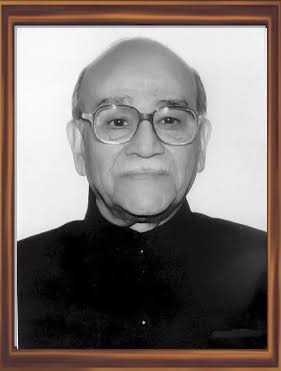
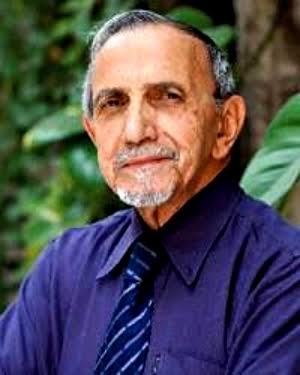
Ebrahim Alkazi was one of India’s most influential theatre directors, educators, and art administrators. He played a major role in transforming Indian theatre by introducing professional training methods, modern stage techniques, and international standards. Known as the “Father of Modern Indian Theatre,” Alkazi inspired generations of actors, directors, and theatre professionals.
He was especially recognized for his long association with the National School of Drama, where he shaped the institution into one of India’s leading centres for theatre education.
Why Did Ebrahim Alkazi Receive the Padma Vibhushan Award?
Ebrahim Alkazi was awarded the Padma Vibhushan in 2021 for his exceptional and lifelong contribution to theatre and performing arts.
He received this honour because of his:
- Revolutionary contribution to Indian theatre direction and education.
- Efforts in developing professional theatre training in India.
- Role in modernizing stage design, acting methods, and theatre production.
- Contribution to nurturing some of India’s finest actors and theatre artists.
- Promotion of Indian culture and performing arts at national and international levels.
The award recognized more than seven decades of dedication to the growth of Indian theatre.
Early Life
Ebrahim Alkazi was born into a wealthy Arab family in Pune, India. His father, Sultan “Alkazi,” was a businessman, and his mother, Amina Alkazi, was known for her cultural interests.
From a young age, Alkazi developed a passion for literature, art, and theatre. His interest in drama grew during his school years and later became the foundation of his remarkable career.
Birth Date and Death
- Born: 18 October 1925
- Birthplace: Pune, Maharashtra, India
- Died: 4 August 2020
- Age at death: 94 years
- Place of death: New Delhi, India
Education and Career
Ebrahim Alkazi received his early education in India and later studied at the University of London. He also trained in theatre at the Royal Academy of Dramatic Art.
After returning to India, he became deeply involved in theatre activities. He joined the English theatre movement in Mumbai and later became one of the most important figures in Indian drama.
Major Career Highlights:
- Founded and led the Theatre Unit in Mumbai.
- Served as Director of the National School of Drama from 1962 to 1977.
- Introduced structured theatre education and professional acting techniques.
- Directed more than 50 plays in different languages and styles.
- Trained several famous Indian actors and theatre personalities.
Career and Achievements
During his career, Alkazi brought major changes to Indian theatre:
1. Transformation of Theatre Education
As the director of the National School of Drama, he created a systematic curriculum combining acting, direction, stagecraft, design, and theatre history.
2. Introduction of Modern Stagecraft
He emphasized:
- Professional lighting techniques
- Innovative stage designs
- Detailed research for productions
- Discipline and preparation among actors
3. Promotion of Indian and International Plays
He directed important works by writers such as:
- William Shakespeare
- Mohan Rakesh
- Dharamvir Bharati
4. Development of Theatre Artists
Many successful actors and directors benefited from his training, including:
- Naseeruddin Shah
- Om Puri
- Rohini Hattangadi
Field of Achievements
Ebrahim Alkazi made major contributions in the fields of:
- Theatre direction
- Performing arts education
- Stage design
- Cultural administration
- Theatre photography and preservation
- Art promotion
His work helped establish theatre as a serious professional art form in India.
Awards and Honours
Some of Ebrahim Alkazi’s major awards include:
- Padma Vibhushan (2021) – India’s second-highest civilian honour
- Padma Shri (1966) – For his contribution to theatre
- Padma Bhushan (1991) – For distinguished service in arts
- Sangeet Natak Akademi Fellowship (2002) – One of India’s highest recognitions in performing arts
- Kalidas Samman – For outstanding contribution to theatre
Interesting Facts About Ebrahim Alkazi
- He directed more than 50 major theatre productions during his career.
- He was one of the longest-serving directors of the National School of Drama.
- He believed theatre required discipline, research, and dedication.
- He helped create a professional identity for Indian theatre artists.
- He was also interested in art history and photography.
- His private art collection and archives became valuable resources for studying Indian theatre and culture.
- Several leading Indian actors began their careers under his guidance.
Legacy and Inspiration
Ebrahim Alkazi’s legacy continues through the artists he trained and the institutions he strengthened. His approach to theatre inspired generations to view drama not only as entertainment but also as a powerful form of education and cultural expression.
His dedication teaches that creativity, discipline, and continuous learning are essential for achieving excellence.
Contribution to the Nation
Ebrahim Alkazi made a significant contribution to India by:
- Preserving and promoting Indian theatre traditions.
- Establishing professional standards in performing arts.
- Training talented artists who contributed to Indian cinema and theatre.
- Representing Indian culture through theatre.
- Strengthening arts education in the country.
His work helped place Indian theatre on a respected global platform.
Conclusion
Ebrahim Alkazi was a visionary who transformed Indian theatre through his creativity, dedication, and leadership. His contribution went beyond directing plays; he built an entire system for theatre education and inspired countless artists. The Padma Vibhushan award was a fitting recognition of his extraordinary service to Indian culture and the performing arts.
Even after his passing, Alkazi’s ideas, teachings, and influence continue to inspire theatre practitioners across India and around the world.
About the Author