Introduction
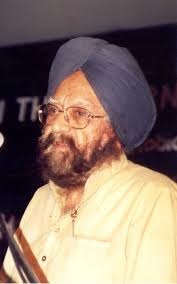
Khushwant Singh was one of India’s most celebrated writers, journalists, historians, and columnists. Known for his sharp wit, fearless opinions, and engaging writing style, he made significant contributions to Indian literature and journalism. His novels, historical works, and newspaper columns captivated readers for decades while offering insightful perspectives on Indian society, politics, and history. In recognition of his exceptional contributions to literature and education, he was awarded the Padma Vibhushan, India’s second-highest civilian honour.
Why Did He Receive the Padma Vibhushan Award?
Khushwant Singh was awarded the Padma Vibhushan in 2007 for his outstanding contributions to literature and education. The honour recognized his:
- Remarkable achievements as an author and historian.
- Outstanding contribution to Indian journalism.
- Promotion of literature through novels, essays, biographies, and historical works.
- Lifelong commitment to freedom of expression and intellectual discourse.
- Influence on generations of readers, writers, and journalists.
His writings remain among the most widely read works in modern Indian literature.
Early Life
Khushwant Singh was born on 2 February 1915 in Hadali, Punjab Province, British India (now in Punjab, Pakistan). He was born into a prominent Sikh family. His father, Sobha Singh, was a renowned builder and entrepreneur who contributed to the construction of New Delhi.
Growing up in a culturally rich environment, Khushwant Singh developed a passion for literature, history, and public affairs from an early age.
Birth Date and Death
- Full Name: Khushwant Singh
- Date of Birth: 2 February 1915
- Place of Birth: Hadali, Punjab Province, British India (now Pakistan)
- Date of Death: 20 March 2014
- Age at Death: 99 years
He passed away in New Delhi after a remarkable literary career spanning more than seven decades.
Education and Career
Education
Khushwant Singh received his education from several prestigious institutions, including:
- Government College University, Lahore
- St Stephen’s College, Delhi
- King’s College London
- Inner Temple, where he studied law.
Career
Khushwant Singh had a distinguished and diverse career as:
- Lawyer
- Diplomat
- Journalist
- Editor
- Historian
- Novelist
- Member of Parliament (Rajya Sabha)
He served as editor of influential publications such as The Illustrated Weekly of India, Hindustan Times, and National Herald.
Career and Achievements
Khushwant Singh made an extraordinary contribution to Indian literature and journalism.
Major Achievements
- Authored the internationally acclaimed novel Train to Pakistan, considered one of the finest novels on the Partition of India.
- Wrote the celebrated A History of the Sikhs, a landmark work on Sikh history.
- Served as editor of several leading Indian newspapers and magazines.
- Wrote the famous syndicated newspaper column “With Malice Towards One and All,” which appeared in numerous publications for decades.
- Served as a nominated member of the Rajya Sabha from 1980 to 1986.
- Promoted secularism, social harmony, and freedom of expression through his writings.
Field of Achievements
Khushwant Singh excelled in:
- Literature
- Journalism
- History
- Political Commentary
- Biography
- Education
- Public Affairs
Awards and Honours
Khushwant Singh received numerous prestigious awards throughout his lifetime.
- Padma Bhushan (1974) – For contributions to literature and journalism (he returned the award in 1984 in protest against Operation Blue Star).
- Padma Vibhushan (2007) – India’s second-highest civilian honour for exceptional contributions to literature and education.
- Punjab Rattan Award.
- Several honorary doctorates from Indian and international universities.
- Numerous literary awards recognizing his lifelong contribution to writing and journalism.
Interesting Facts
- Khushwant Singh wrote more than 100 books, including novels, biographies, essays, and historical works.
- His novel Train to Pakistan is considered a classic of Indian English literature.
- He was famous for his bold opinions, humour, and straightforward writing style.
- He returned his Padma Bhushan in 1984 as a mark of protest but later accepted the Padma Vibhushan in recognition of his literary achievements.
- His newspaper column was read by millions across India and abroad.
- Even in his nineties, he continued writing regularly and remained one of India’s most respected public intellectuals.
Legacy and Inspiration
Khushwant Singh’s legacy lies in his fearless journalism, compelling storytelling, and commitment to truth. His works continue to educate readers about India’s history, society, and cultural diversity.
He inspired generations of writers and journalists to value independent thinking, honest reporting, and literary excellence. His books remain essential reading for students of Indian history and literature.
Contribution to the Nation
Khushwant Singh made lasting contributions to India by:
- Documenting the history of the Partition and Sikh heritage.
- Promoting Indian literature on the global stage.
- Strengthening journalism through ethical and independent reporting.
- Encouraging public debate on social, political, and cultural issues.
- Preserving historical knowledge through scholarly writing.
- Inspiring young writers and journalists with his courage and integrity.
His writings helped shape public understanding of India’s past and present.
Conclusion
Khushwant Singh was one of India’s greatest writers, historians, and journalists. His remarkable literary works, insightful historical writings, and fearless journalism earned him the Padma Vibhushan in 2007. Through masterpieces such as Train to Pakistan, his influential newspaper columns, and his commitment to intellectual freedom, he left an enduring mark on Indian literature and public discourse. His legacy continues to inspire readers, writers, historians, and journalists around the world.
About the Author